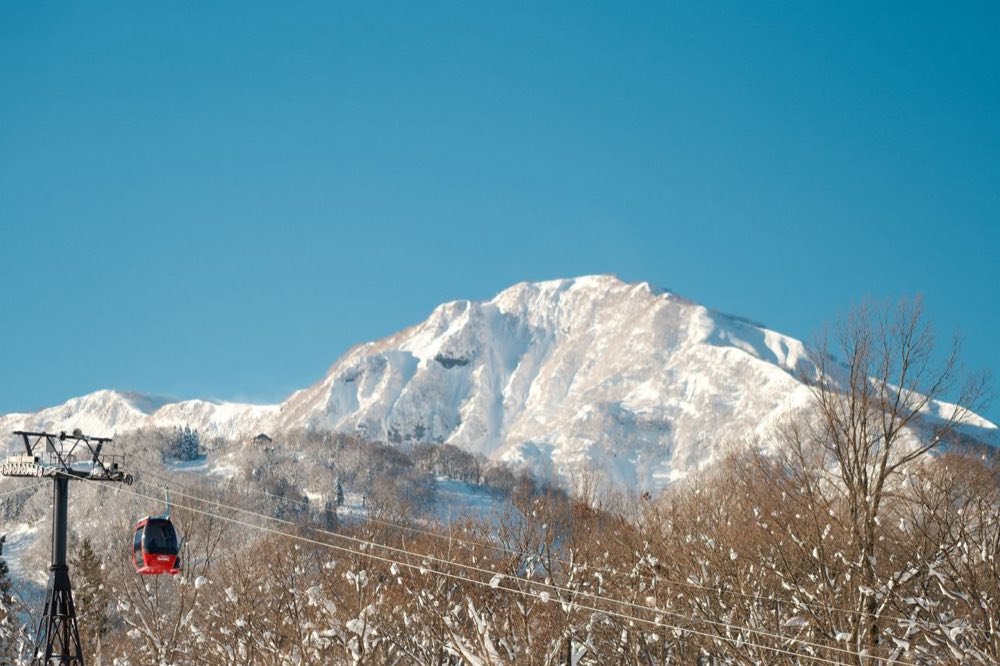
Hakuba sits in the Northern Alps of Nagano Prefecture, and it is among the most accessible ski areas in Japan from Tokyo. There is no ski lift on the doorstep of the main station, but the route is straightforward: shinkansen to Nagano, then a bus into the valley. This page covers every way to arrive and how to move between the ten resorts of the Hakuba Valley once you are in town. For the overview of the valley see the Hakuba travel guide, and for places to base yourself see where to stay in Hakuba.
Getting to and around Hakuba at a glance (as of 2026):
| Route | Time | Cost and notes |
|---|---|---|
| Shinkansen Tokyo to Nagano, then Alpico bus | About 3-3.5 hours in total (train 1h40m, bus 70-100 minutes) | Bus about ¥3,500 each way in winter 2026; book ahead for weekends |
| Direct bus from Shinjuku | 5-5.5 hours | About ¥6,400-¥9,000; best with heavy ski bags |
| Hire car | 4-5 hours via Nagano | Winter tyres supplied; chains may still be required |
| JR Oito Line to Hakuba Station | Slow, infrequent trains | Bus or taxi still needed to reach most lodging |
| Hakuba Valley shuttle | Links Happo-One, Goryu, Hakuba 47, Iwatake, Tsugaike and Cortina | Free on days you ski with a valid pass |
From Tokyo to Hakuba
Shinkansen to Nagano, then bus
This is the fastest and most dependable route. The Hokuriku Shinkansen from Tokyo to Nagano takes about 1h40m. From Nagano Station East Exit, Alpico express buses run to Hakuba, with a journey of roughly 70 to 100 minutes depending on road conditions. The reported winter 2026 fare was about ¥3,500 for adults each way, and most services finish at the Hakuba Happo bus terminal, with some continuing to Goryu. Plan a total of about 3 to 3.5 hours from Tokyo, and book bus seats ahead for Saturdays and holiday weekends.
Our Nagano city guide and getting around Nagano page cover the station, luggage lockers and onward options.
Direct highway bus from Shinjuku
Direct buses leave from Shinjuku and take around 5 to 5.5 hours, with fares from about ¥6,400 to ¥9,000 depending on the day and how early you book. This is the cheapest single-transfer option, and the best choice if you have heavy ski bags. The trade-off is time and traffic: on busy Sunday afternoons the return can run late. Do not book a tight onward flight on the same day.
Hire car
Driving from Tokyo takes about 4 to 5 hours depending on traffic, using the Kan-etsu and Joshin-etsu expressways via Nagano. Car hire in Japan is worth considering if you plan to visit Nagano, Matsumoto or the Japanese Alps beyond the resorts. Rentals come with winter tyres in snow country, but chains may still be required on certain roads. Expect heavy traffic on weekends, and allow extra time after storms.
By train to Hakuba Station
Hakuba Station is on the JR Oito Line between Matsumoto and Itoigawa. It is a slow, scenic route with infrequent trains, and most skiers do not use it. It makes sense if you are coming from Matsumoto or the Itoigawa side. From the station you still need a bus or taxi to reach most lodging.
Airport Transfers
Most international arrivals come through Narita or Haneda and continue to Nagano by train. A private transfer is possible but expensive over this distance. You can compare airport transfers in Japan and pre-booked services from Welcome Pickups if you land late or travel with a large group. Our Haneda Airport transfer guide and Narita Airport transfer guide cover the first leg.
Getting Around the Valley
Hakuba Valley is ten resorts spread along a 20 km stretch of the valley. The most useful tool is the Hakuba Valley shuttle bus, which is free to use on days when you ski or snowboard with a valid pass. It connects the main areas, including Happo-One, Goryu, Hakuba 47, Iwatake, Tsugaike and Cortina, on set timetables.
- Happo-One village: compact and walkable, with restaurants, rental shops and the main gondola. Most day visitors stay in this area.
- Echoland: the strip between Happo-One and Goryu, with bars and restaurants and a nightlife reputation.
- Wadano and Goryu: quieter, with a mix of lodges and apartments.
- Tsugaike and Cortina: further north, with their own villages and a calmer atmosphere.
Taxis are available, though costly and limited late at night in busy weeks. If you plan to eat out in a different village, check the final shuttle time or book a taxi for the return. In snow, pavements get icy, so wear boots with grip. For official pass information and the shuttle map, see the Hakuba Valley official site.
Planning Tips
- Book buses early for the New Year week and long weekends.
- Keep valuables in your carry-on and ship larger bags if you are moving between resorts, using Japan’s luggage forwarding.
- Check the weather before you travel: heavy snow slows the Nagano route and can cancel highway buses.
- Compare Niseko and Hakuba before you commit: see Niseko vs Hakuba for access, price and terrain.
Next, read things to do in Hakuba and day trips from Hakuba to plan your days. Sort out a data connection with a Japan eSIM and cover winter sports with travel insurance for Japan.