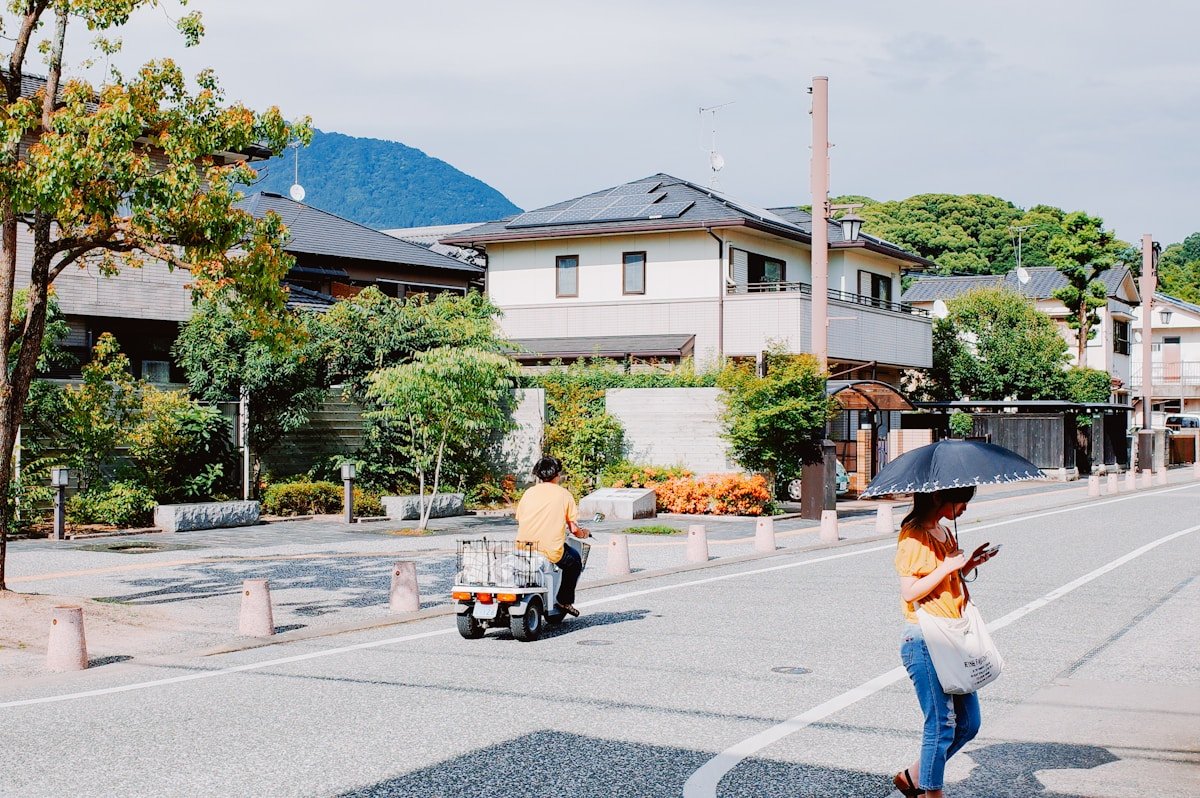
Fukuoka is the most approachable of Japan’s major cities for first-time visitors - compact enough to navigate easily, with an airport that deposits you in the city centre in under 10 minutes. The city splits between two centres: Hakata, built around the Shinkansen station and historically the commercial and transport hub, and Tenjin, the modern retail and nightlife district about 1.5 kilometres to the west. Most accommodation options sit within or between these two areas. Search hotels in Fukuoka on Booking.com
Neighbourhood Guide
Hakata - Best Transport Connections
Hakata is the name of the ward containing Fukuoka’s main Shinkansen terminal and serves as the city’s primary transport node. The subway Kūkō Line runs from the airport through Hakata to Tenjin in minutes. Long-distance buses to destinations across Kyushu depart from the Hakata Bus Terminal adjacent to the station. The area immediately around the station - including the Hakata Station City shopping complex and Canal City Hakata, a large retail and entertainment complex a 10-minute walk away - is dense with accommodation across all price tiers.
Who it suits: Business travellers; those connecting to Shinkansen destinations (Hiroshima, Osaka, Tokyo); first-time visitors who want straightforward transport logistics.
Accommodation:
- Budget business hotels: approximately ¥7,000–¥11,000 (~$47–$73) - Toyoko Inn Fukuoka Hakata Ekimae, APA Hotel Hakata Ekimae
- Mid-range: approximately ¥12,000–¥22,000 (~$80–$147) - JR Kyushu Hotel Blossom Hakata Central, Dormy Inn Premium Hakata Canal City Mae
- Luxury: approximately ¥30,000–¥60,000+ (~$200–$400+) - Hotel Monterey La Soeur Fukuoka, The Lively Fukuoka Hakata
Tenjin - Shopping, Dining, and Nightlife
Tenjin is Fukuoka’s commercial heart - department stores (Daimaru, Solaria, Iwataya), covered shopping arcades, and an excellent concentration of restaurants at all price points cluster around Nishitetsu Fukuoka Station and the Tenjin subway station. The Nishitetsu Tenjin Omuta Line connects here for access to Dazaifu, Fukuoka’s most popular day-trip destination, in approximately 25 minutes.
The Nakasu entertainment district - famous for its yatai open-air food stalls along the Naka River - sits between Hakata and Tenjin and is walkable from either in 10–20 minutes.
Who it suits: Leisure travellers focused on food, shopping, and Fukuoka’s nightlife; those planning a day trip to Dazaifu or the Itoshima coast.
Accommodation:
- Budget: approximately ¥6,500–¥10,000 (~$43–$67) - Comfort Hotel Tenjin Minami, Super Hotel Fukuoka Tenjin
- Mid-range: approximately ¥13,000–¥22,000 (~$87–$147) - Solaria Nishitetsu Hotel Fukuoka, Cross Hotel Fukuoka
- Luxury: approximately ¥28,000–¥55,000+ (~$187–$367+) - Nishitetsu Grand Hotel, Agora Fukuoka Hilton
Ohori Park Area - Quieter Residential Option
Ohori Park sits roughly midway between Hakata and the coast, accessible by subway on the Kūkō Line (Ohori Koen Station, two stops from Tenjin). The park itself - centred on a large lake - is one of the most pleasant green spaces in any Japanese city. Accommodation in this zone is sparser and skews toward boutique properties and serviced apartments. The trade-off is a quieter atmosphere and a short subway ride to the main activity zones.
Who it suits: Travellers who want a calmer base; those on longer stays; couples or families who value access to the park.
Accommodation:
- Mid-range to luxury: approximately ¥15,000–¥35,000 (~$100–$233) - Hotel Il Palazzo (design-forward boutique hotel), several serviced apartment options
Momochi Coast - Beach Access and PayPay Dome
The western seafront district, centred on Momochi Beach and the Fukuoka PayPay Dome (home stadium of the SoftBank Hawks baseball team), is about 15 minutes by bus from Tenjin. Hotels here are concentrated around the waterfront and include some of Fukuoka’s highest-end properties.
Who it suits: Travellers attending a Hawks game or other dome events; those who want beach access; families.
Accommodation:
- Mid-range to luxury: approximately ¥18,000–¥60,000+ (~$120–$400+) - Hilton Fukuoka Sea Hawk (approx ¥30,000–¥60,000 for sea-view rooms), Mast Hakata Hotel
Area Comparison Table
| Area | Best for | Budget (¥/night) | Mid-range (¥/night) | Luxury (¥/night) |
|---|---|---|---|---|
| Hakata | Transport, business, all budgets | ¥7,000–¥11,000 | ¥12,000–¥22,000 | ¥30,000+ |
| Tenjin | Shopping, dining, nightlife | ¥6,500–¥10,000 | ¥13,000–¥22,000 | ¥28,000+ |
| Ohori Park | Quiet, residential feel | Not available | ¥15,000–¥25,000 | ¥30,000+ |
| Momochi Coast | Beach, stadium events | Not available | ¥18,000–¥28,000 | ¥35,000+ |
Whichever base you choose, our guide to getting around Fukuoka shows how the subway and trains connect it to the main sights.
Accommodation Types
Budget Business Hotels (¥6,500–¥11,000 / ~$43–$73)
Fukuoka’s budget business hotel market is well-served by national chains. Toyoko Inn operates multiple properties around Hakata Station, with compact but clean double rooms from approximately ¥7,500 as of 2026. APA Hotel Hakata Ekimae offers a central Hakata location with rooms from approximately ¥8,000 and a rooftop bath at some branches. Super Hotel Fukuoka Tenjin provides natural hot spring baths for guests at the lower-mid price tier.
For solo travellers, Khaosan Fukuoka Guesthouse and several hostel-type properties near Canal City offer dorm beds from approximately ¥3,000–¥4,500 per night.
Mid-Range Hotels (¥12,000–¥22,000 / ~$80–$147)
At this tier, Dormy Inn Premium Hakata Canal City Mae is consistently one of the best-value options in the city - large natural hot spring baths on the upper floor, breakfast buffet available, and a central location adjacent to the shopping complex. Rooms from approximately ¥13,000 as of 2026. Solaria Nishitetsu Hotel Fukuoka occupies a prime Tenjin position above a major shopping complex, with rooms from approximately ¥14,000. JR Kyushu Hotel Blossom Hakata Central provides reliably comfortable rooms in an excellent Hakata location, from approximately ¥12,000.
Luxury Hotels (¥28,000–¥60,000+ / ~$187–$400+)
Hilton Fukuoka Sea Hawk is the city’s flagship luxury property - a large tower on the Momochi waterfront with bay views, multiple restaurants, a full-service spa, and an indoor pool. Sea-view rooms from approximately ¥35,000 as of 2026. Nishitetsu Grand Hotel in Tenjin is a Fukuoka institution, offering refined service, a central location, and multiple dining options from approximately ¥28,000. The Lively Fukuoka Hakata is a design-forward property targeting the upper-mid and design-conscious traveller, with rooms from approximately ¥25,000 and a well-regarded food and beverage programme.
Getting to Fukuoka? Compare flights to Japan to find the best international connection. Travel insurance for Japan covers delays, cancellations, and medical costs - worth sorting before you finalise accommodation bookings. An Airalo eSIM for Japan means you have mobile data and maps from the moment you land.
Booking Tips
Cherry blossom at Maizuru Park (late March to early April): Fukuoka’s cherry blossom peak coincides with the national surge. Book two to three months in advance; the price premium is less severe than in Kyoto or Tokyo but availability at quality properties does tighten.
SoftBank Hawks games: PayPay Dome hosts games from late March through October. Evening games on weekends fill Hakata and Tenjin accommodation rapidly. Check the Hawks schedule if your dates are flexible and stadium noise or crowds are a concern.
Hakata Gion Yamakasa festival (July 1–15): Fukuoka’s most celebrated festival draws large crowds to the Hakata ward. Accommodation near the festival route fills weeks in advance. The festival culminates in the Oiyama race on July 15 at 4:59 a.m. - a remarkable event to witness from close range if you are already based nearby.
Off-peak value: January through mid-March and September through early November offer some of the best rates in Fukuoka, combined with pleasant weather. The summer rainy season (June to mid-July) brings lower prices but high humidity.
See also: Fukuoka travel guide · Things to do in Fukuoka · Best restaurants in Fukuoka · Ryokan guide Japan · Kyushu region guide · Fukuoka long-stay guide