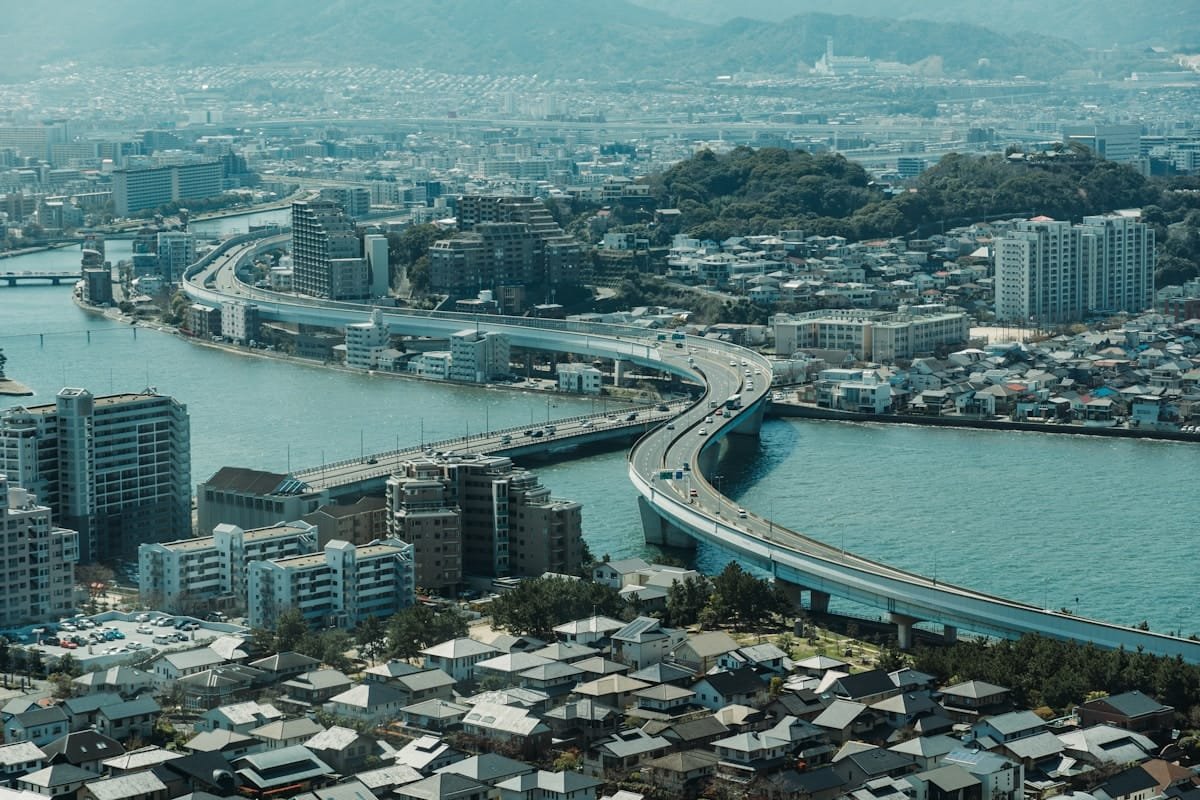
Fukuoka has spent the past decade positioning itself as Japan’s most liveable city for international long-termers, and the evidence backs it up: lower costs than Tokyo or Osaka, a compact walkable city centre, the best ramen and yatai (street food stall) culture in the country, and a dedicated startup visa programme that has attracted digital nomads from across Asia and Europe. For a week-long trip, Fukuoka is an easy city to cover. For a month, it reveals itself as genuinely comfortable to live in.
Why Fukuoka for a Longer Stay
- Cost: Monthly accommodation runs approximately 30–40% cheaper than Tokyo equivalents
- Size: The city centre is compact — most of Tenjin, Hakata, and Nakasu are walkable or a quick subway ride
- Food: Fukuoka has the highest yatai (outdoor food stall) density in Japan, plus the original Hakata-style tonkotsu ramen
- Connections: Fukuoka Airport is inside the city — 5 minutes to Hakata Station by subway; international flights to Seoul, Taipei, Shanghai, Hong Kong, Bangkok
- Digital nomad infrastructure: Fukuoka Startup Café (free co-working, free consultation), multiple WeWork locations, a startup ecosystem that provides a community for remote workers
Choosing Your Neighbourhood
Hakata is the transport and business hub — Hakata Station connects the Shinkansen (Tokyo 5h, Osaka 2h30min), subway, and bus networks. The area around the station has a high density of business hotels and is best suited to those taking frequent trips or in transit. Monthly hotel rates here are competitive.
Tenjin is the commercial and cultural centre, where shopping, dining, and nightlife converge. It’s the most liveable neighbourhood for an extended stay — everything is within walking distance, the Nishitetsu bus network radiates from here, and the subway connects to Hakata in 4 minutes. Monthly apartment rates in central Tenjin start from approximately ¥80,000 for a studio.
Nakasu / Yanagibashi sits between Hakata and Tenjin on an island between the Naka and Hakata rivers. This is where the famous yatai stalls line the riverbank — an evening walk here is one of the best free experiences in Japan. For longer stays, the area has a genuine neighbourhood feel despite its central location. Monthly apartment rates from approximately ¥75,000.
Daimyo / Kego — just south of Tenjin — is the trendy residential neighbourhood of central Fukuoka: boutique cafés, independent clothing stores, good lunch spots, and a density of creative workers. Popular with digital nomads for this reason. Monthly rates slightly higher than Nakasu at approximately ¥90,000–130,000 for a studio.
Ohori Park area offers a more relaxed, residential character. The park itself has a large lake, jogging paths, and morning tai chi groups. A 10-minute subway ride from Tenjin. Monthly apartment rates from approximately ¥85,000.
Serviced Apartments
Residence Hotel Hakata 4 and its sister properties operate furnished apartments with kitchen facilities near Hakata Station. Weekly rates from approximately ¥50,000; monthly from ¥140,000. A reliable mid-range option with practical facilities for longer stays.
MONday Apart Premium Tenjin offers furnished studios with kitchenettes, weekly housekeeping, and strong wifi near the Tenjin entertainment district. Monthly rates from approximately ¥150,000–220,000.
Oakwood Hotel & Apartments Hakata near Canal City Hakata is the premium serviced apartment option in Fukuoka — full kitchen, laundry facilities, pool, and fitness centre. Monthly rates from approximately ¥250,000–380,000 for a studio. Well-suited for corporate relocations or longer business stays.
Search serviced apartments in Fukuoka on Booking.com to compare current rates and availability.
Extended-Stay Business Hotels
Dormy Inn Hakata Gion is a standout for longer stays: natural hot spring bath on the upper floor, late-night ramen service, coin laundry on-site, and some of the most reasonable weekly rates in the city. Weekly rates from approximately ¥35,000–52,000. Monthly rates around ¥120,000–150,000.
Hotel Vista Fukuoka near Tenjin offers compact but well-designed rooms with good desk setups for working. Weekly rates from approximately ¥42,000.
Hakata Tokyu REI Hotel near Hakata Station has a fitness gym, efficient rooms, and competitive long-stay rates. Weekly rates from approximately ¥45,000.
APA Hotel Fukuoka Tenjin has multiple properties around Tenjin with the brand’s characteristic efficient room design. Weekly rates from approximately ¥35,000–50,000.
Browse extended-stay hotels in Fukuoka on Booking.com to compare rates and availability.
Share Houses
Fukuoka has a growing share house market with several English-language options.
Sakura House Fukuoka operates properties in Hakata and Tenjin areas. Monthly rates from approximately ¥40,000–70,000 inclusive of utilities and internet — among the most affordable extended-stay options in any Japanese major city.
Share House Fukuoka and several local operators offer mixed-nationality houses with English and Japanese tenants, well-suited for those wanting to integrate into a local community.
Digital Nomad Infrastructure
Fukuoka is the most developed city in Japan for digital nomad infrastructure outside of Tokyo.
Fukuoka Startup Café (Tenjin, free admission) offers free co-working desks, free wifi, English-speaking staff, and free consultation on Fukuoka’s startup visa programme. No reservation required; open daily until 22:00. This is arguably the best free co-working space in Japan.
WeWork Fukuoka operates in Daimyo and Tenjin. Day passes and monthly memberships available. Monthly memberships from approximately ¥50,000.
Cabins in Daimyo is a local co-working space with good community events and a membership model designed for freelancers — monthly from approximately ¥15,000.
Café density in Daimyo and Kego is high — the neighbourhood has multiple specialty coffee cafés with reliable wifi and a culture of longer working sessions. Rec Coffee (multiple locations) and Coffee County are the standout options.
Fukuoka City Startup Visa: Fukuoka operates a special startup visa programme that allows non-Japanese nationals to reside in the city while developing a business plan. Applications are processed through the city’s startup support infrastructure and require English documentation only. Worth researching if you’re considering a longer-term Japan base for freelance or startup work.
Practical Notes for Long Stays
- Transport: Fukuoka’s subway is efficient and covers the city centre. A monthly subway pass costs approximately ¥5,000–8,000 depending on the route. Bicycles are popular and practical — the city has good cycling infrastructure.
- Grocery costs: Fukuoka’s food costs are noticeably lower than Tokyo. Full-service supermarkets (Ito-Yokado, Nishitetsu Store, Maruzen) are distributed across the city. Monthly grocery budget for home cooking: approximately ¥30,000–45,000 per person.
- International connectivity: Fukuoka Airport’s international terminal is 5 minutes from Hakata Station by subway. Direct flights operate to Seoul (1h), Taipei (1h30min), Shanghai (2h), and Bangkok (6h), making Fukuoka a practical base for those combining Japan with wider Asia travel.
- English environment: Fukuoka has a higher proportion of English-speaking residents than most Japanese cities, and the startup visa programme means international professionals are increasingly common.
Approximate Monthly Costs (Accommodation Only)
| Type | Monthly Rate |
|---|---|
| Share house (single room) | ¥40,000–70,000 |
| Business hotel (Dormy Inn / APA) | ¥120,000–165,000 |
| Serviced apartment studio (Nakasu / Hakata) | ¥100,000–160,000 |
| Serviced apartment studio (Tenjin / Daimyo) | ¥130,000–220,000 |
| Premium serviced apartment (Oakwood / Canal City area) | ¥250,000–380,000 |
Search all accommodation types in Fukuoka on Booking.com to compare real-time availability and long-stay pricing.