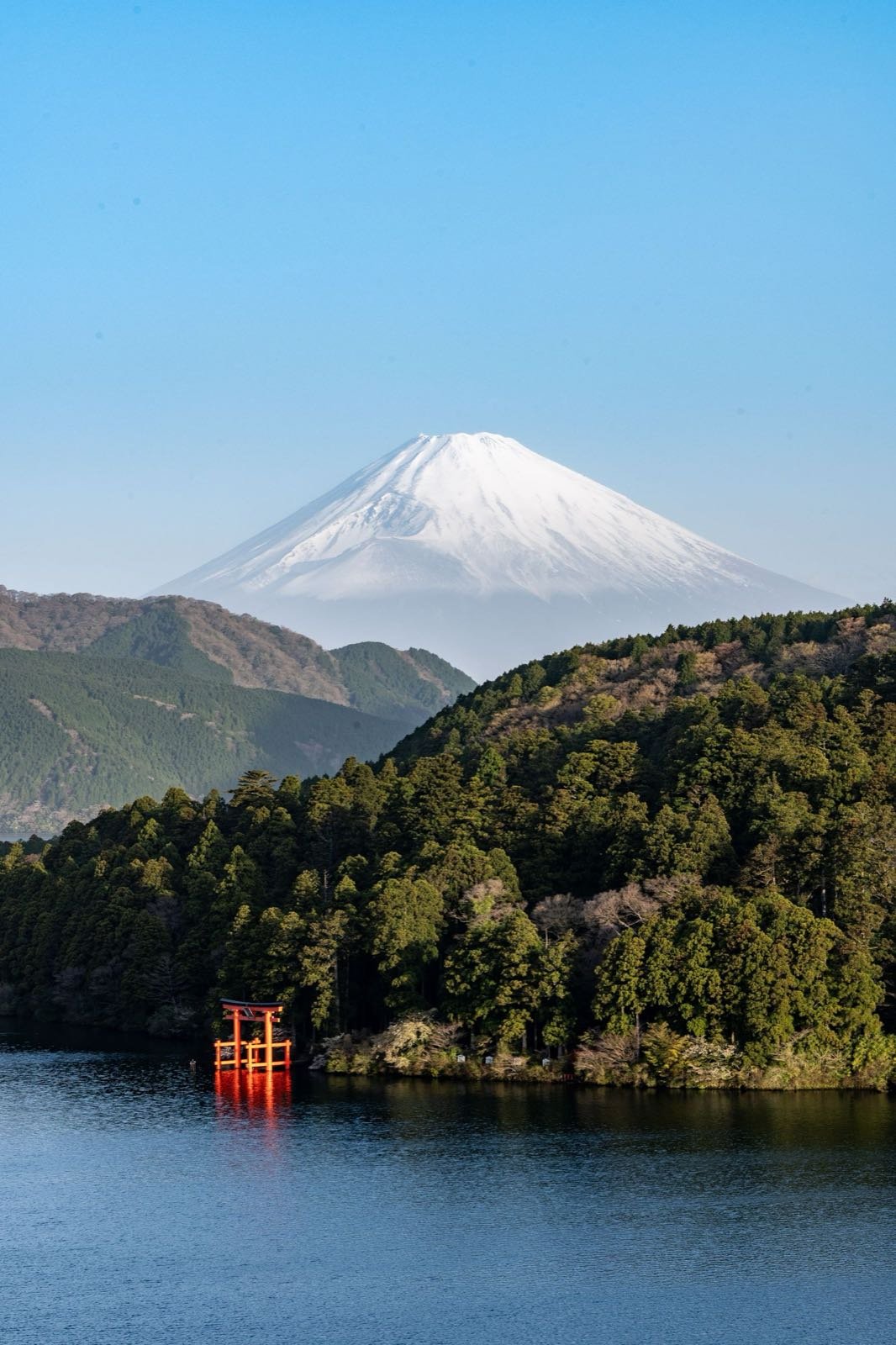
Hakone is an easy day trip or overnight from Tokyo, but timing changes what you get. In the wrong month the cloud hides Fuji, the ropeway queues are long and the hot spring towns are packed. In the right one you can see a snow-capped cone over Lake Ashi, ride a train through hydrangeas or walk under red maples. Hakone sits at 700 metres and above, so it is several degrees cooler than Tokyo.
Quick Summary
| Season | Months | Temps (°C) | Fuji view | Highlights |
|---|---|---|---|---|
| Winter | Dec-Feb | 0-10 | Best | Clear skies, onsen, Hakone Ekiden |
| Spring | Mar-May | 5-20 | Good | Cherry blossom, fresh green |
| Early summer | Jun-Jul | 16-26 | Poor | Hydrangeas, rainy season |
| Late summer | Aug-Sep | 20-28 | Poor | Cool escape from Tokyo, typhoon risk |
| Autumn | Oct-Nov | 8-20 | Good to excellent | Foliage, busiest period |
Month-by-Month Breakdown
January - Cold (0-8°C) and clear. Excellent Fuji views at dawn. The Hakone Ekiden university relay passes through Hakone on 2 to 3 January and closes roads. Some ropeway maintenance may occur. Crowds: moderate, high at New Year.
February - Cold and dry. Plum blossoms appear in lower Hakone, and Fuji is still clear. Hotels are good value on weekdays. Crowds: low to moderate.
March - Mild days and cold nights. First cherry blossoms in lower areas toward the end of the month. Fuji views still good. Crowds: moderate.
April - Cherry blossoms around Hakone Yumoto and Miyanoshita early in the month. Pleasant weather with some haze. Golden Week (29 April to 5 May) is busy. Crowds: high at the start of the month and in Golden Week.
May - Fresh green and comfortable temperatures. Azalea and rhododendron bloom. Fuji views are variable. Crowds: moderate, high in early May.
June - Rainy season (tsuyu) begins. Hydrangeas start along the Hakone Tozan Railway between Hakone Yumoto and Gora in mid-month. Fuji is often hidden. Crowds: moderate.
July - Peak hydrangeas early in the month, then humid and hazy. Evening events at Gora and Chokoku-no-Mori. Hakone’s elevation keeps it cooler than Tokyo. Crowds: moderate to high from mid-July.
August - Summer holidays and Obon bring family crowds. Cool compared with Tokyo but hazy. Typhoon passes can close the ropeway. Crowds: high.
September - Warm days, early typhoon risk and hazy skies. Pampas grass (susuki) turns the Sengokuhara plateau golden from late September to October. Crowds: moderate.
October - Cooler, clearer weather returns. Foliage begins at higher elevations such as Owakudani and Sengokuhara late in the month. Crowds: moderate to high.
November - Peak foliage in the Hakone area from mid-November to early December. The Hakone Daimyo Procession, a costumed parade through Hakone Yumoto, is held on 3 November. Clear Fuji mornings are frequent. Crowds: very high, especially weekends.
December - Late foliage lingers at lower elevations early in the month, then winter calm settles in. Excellent Fuji views. Christmas and New Year weekends are busy. Crowds: moderate.
Best Time for Mount Fuji Views
Dry winter air gives Hakone’s best Fuji views. Aim for 6am to 10am on weekdays between mid-November and February. Good spots include Lake Ashi’s Motohakone and Hakone Shrine area, the Owakudani viewing areas on clear days and Sengokuhara’s pampas fields in autumn. In summer, the mountain usually hides behind haze after dawn. If clouds roll in, our Hakone things to do guide lists indoor options such as the Open-Air Museum and Pola Museum of Art.
Rainy Season, Ropeway Closures and Typhoons
Heavy rain in June and September can cut visibility and cause landslide-related closures on the Hakone Tozan Railway. Strong winds, typhoons and volcanic gas alerts at Owakudani can suspend the ropeway and gondola, and the Lake Ashi sightseeing cruise can also be cancelled in high winds. Check the operators’ live status on the day, and keep a flexible schedule. Read our Hakone getting-around guide for passes and replacement-bus information. You can also buy the Hakone Free Pass on Klook to avoid ticket queues.
Crowds and Budget Tips
The busiest days are autumn weekends, Golden Week, Obon and New Year. For quieter visits, choose a weekday in late January to February, early March or late May. Weekday hotel rates at ryokan outside peak periods are often 20 to 40 percent lower than on autumn weekends, as of 2026. We compare options in our Hakone where-to-stay guide, and you can check Hakone hotel availability before foliage weekends sell out. For official information, the Hakone Tourist Association publishes foliage and events updates.
Verdict
Our top pick is early to mid-December or late January to February: crisp air, the best chance of Fuji views and quieter ryokan. For autumn colour, go in the last two weeks of November and book weeks ahead. For hydrangeas, choose the second half of June on a weekday. Avoid August unless you want the cooler mountain temperatures and can accept hazy views. Hakone fits easily into a day trip from Tokyo, but staying overnight at an onsen ryokan gives you the early-morning clarity. Browse Hakone tours and day trips for guided options with Fuji and Lake Ashi.