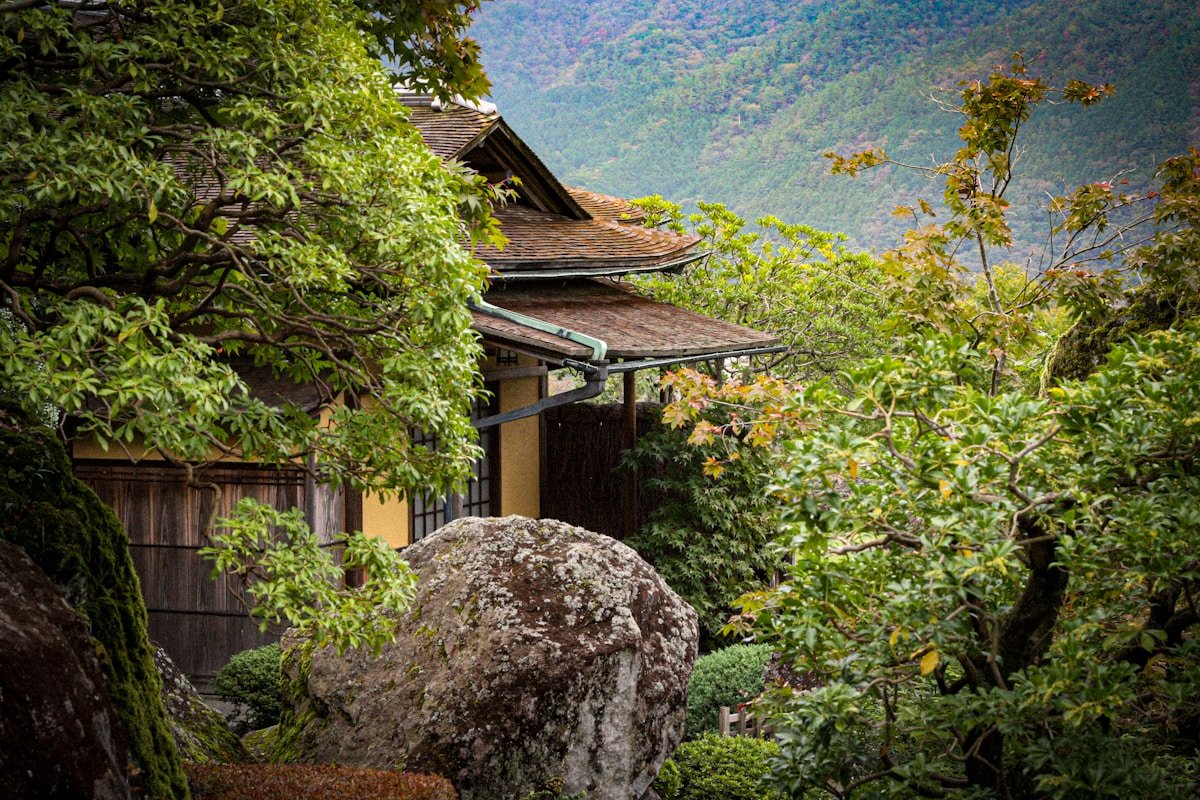
Staying in Hakone is qualitatively different from visiting as a day trip. The onsen ryokan is the central experience - bathing in volcanic spring water in an outdoor rotenburo (open-air bath) as mountain air cools the steam around you, wearing yukata robes to a multi-course kaiseki dinner, then back to the bath again before the morning light comes through the screens. None of this is available in a day visit. The morning views of Mount Fuji across Lake Ashi - from the shore or from a ryokan bath with a window opening toward the mountain - are also far more likely in the early hours before cloud builds, which means staying overnight is the single most effective thing you can do to improve the chances of a clear Fuji view. Search hotels in Hakone on Booking.com
Choosing Your Area
Hakone is not a single town but a scattered collection of resort zones spread across a volcanic caldera. The area you choose affects what you can conveniently do each morning and evening, as well as the price you pay.
Hakone-Yumoto
Hakone-Yumoto is at the bottom of the mountain, directly accessible by the Odakyu Romancecar from Tokyo and the Hakone Tozan railway upward. It is the least expensive zone (ryokan from ¥12,000 per person including meals) and has the widest range of accommodation types. The area is busier and more commercial than the upper zones. Good choice if you want to minimize transport costs or are using public transit to move around.
The disadvantage is location: Hakone-Yumoto is in a narrow river valley and has no views of Mount Fuji or the lake. It works as a transport hub but not as a scenic base.
Miyanoshita
Miyanoshita is midway up the Hakone Tozan railway, a historic resort area that developed in the late Meiji era when foreign diplomats and businesspeople came to escape Tokyo summers. The Fujiya Hotel (opened 1878) is the landmark property. The area has a slightly faded, old-resort atmosphere that appeals to visitors who prefer quiet over polish. Mid-range ryokan here start from ¥20,000 per person; the Fujiya Hotel from around ¥25,000 per room. Forested hillsides, no direct Fuji views.
Gora
Gora is the terminus of the Hakone Tozan railway and the most consistently upmarket accommodation zone. The atmosphere is quieter and more residential than Yumoto - this is where Tokyoites come for a serious retreat. Ryokan here tend toward the higher price range (¥25,000–¥80,000 per person), with Gora Kadan at the top end. The Hakone Open Air Museum is 5 minutes away at the previous station on the Tozan line.
Lake Ashi Shores
Properties on the shore of Lake Ashi are the most scenically positioned in Hakone and command the highest prices for that view. The lake surface reflects the surrounding mountains; on clear mornings the north-facing view toward Mount Fuji can be extraordinary. Ryokan and hotels here range from ¥30,000 to ¥120,000 per person including meals at the high-end luxury properties.
Access to the rest of Hakone from the lakeside requires buses or the boat cruise - there is no railway connection. Factor in bus time when planning a lakeside stay.
Sengokuhara
The Sengokuhara plateau, north of the ropeway, is a slightly separate area with a concentration of golf courses, the Pola Museum, and several good-value ryokan. The plateau is open enough to have views toward Mount Fuji on clear days. Ryokan here start from ¥20,000 per person. The bus network connects to the ropeway and lake area.
The Ryokan Experience Explained
A ryokan stay follows a familiar pattern across all price points. Check-in at 3pm is accompanied by green tea and a small wagashi sweet in your room. Yukata robes (light cotton kimonos) and tabi socks are provided; guests wear these around the inn including to the communal baths. The evening meal (kaiseki) is served either in a private dining room or in your room, depending on the ryokan. Kaiseki is a multi-course Japanese meal structured around seasonal ingredients - a typical dinner has 10 to 12 courses and takes 90 minutes.
The communal baths are the heart of the ryokan experience. Most properties have separate baths for men and women, with both indoor (uchi-buro) and outdoor (rotenburo) options. The water temperature is typically 40–44°C. Some properties have private baths that can be reserved by the hour. Bathing etiquette: wash at the shower stations before entering the communal bath, no swimwear in the bath, and silence is the general norm.
Specific Properties
Hyatt Regency Hakone (from ¥45,000 per room)
The Hyatt Regency at the edge of Lake Ashi is the major Western-brand property in Hakone, offering hotel-format rooms with direct lake views and access to Japanese-style onsen facilities on site. For visitors who want onsen access and a good Fuji-view position but prefer a Western hotel room over a ryokan tatami, this is the most comfortable option. The hotel’s rotenburo (outdoor bath) overlooking the lake is among the best bath experiences in Hakone.
Hakone Yuryo (day-use ¥1,500 or overnight from ¥35,000)
Hakone Yuryo near Hakone-Yumoto is notable both as a day-use onsen facility (¥1,500, recommended) and as an overnight ryokan. The open-air baths are genuinely excellent - private rotenburo cabins available by reservation, with forest views - and are considered among the best onsen facilities in the Yumoto area. Overnight rates from ¥35,000 per person including kaiseki dinner and breakfast.
Gora Kadan (from ¥80,000 per person)
Gora Kadan is consistently rated among the top ryokan in Japan. It was originally a villa of the Japanese imperial family, converted to a ryokan in 1952. The kaiseki cuisine uses seasonal Hakone ingredients and is prepared by chefs with strong reputations. The onsen facilities include indoor and outdoor baths in several formats. The grounds are maintained with the care typical of imperial properties. At this price point, the entire experience is curated to an extraordinary degree.
Fuku Hakone Guest House (from ¥4,000 dorm)
The budget end of the Hakone market. Fuku Hakone is a small guesthouse with dormitory beds from ¥4,000 and private rooms from around ¥10,000. A communal onsen bath is available to all guests. The atmosphere is informal and the location is convenient for the transport network. Suitable for travelers who want access to Hakone’s attractions without the cost of a ryokan.
Hakone Youth Hostel (from ¥3,500)
The Hakone Youth Hostel offers the most affordable beds in the area, with dormitory accommodation from ¥3,500 and a simple communal bath. The facilities are basic but functional. The location near Lake Ashi provides easy access to the cruise and lakeside walks.
Getting to Hakone? Compare flights to Japan to find the best international connection. Travel insurance for Japan covers delays, cancellations, and medical costs - worth sorting before you finalise accommodation bookings. An Airalo eSIM for Japan means you have mobile data and maps from the moment you land.
Accommodation at a Glance
| Area | Atmosphere | Price per Person | Fuji Views | Notes |
|---|---|---|---|---|
| Hakone-Yumoto | Busy, valley | ¥12,000–¥25,000 | None | Best transport links |
| Miyanoshita | Historic, forested | ¥20,000–¥30,000 | None | Fujiya Hotel landmark |
| Gora | Quiet, upmarket | ¥25,000–¥80,000 | Partial | Near Open Air Museum |
| Lake Ashi shores | Scenic, remote feel | ¥30,000–¥120,000 | Best | Bus/boat access only |
| Sengokuhara | Plateau, open | ¥20,000–¥50,000 | Good | Pola Museum nearby |
| Budget guesthouses | Various | ¥3,500–¥10,000 | Unlikely | Basic but functional |
See also: Hakone travel guide · Things to do in Hakone · Ryokan guide Japan · Onsen guide Japan · Kanto region guide · Hakone long-stay guide