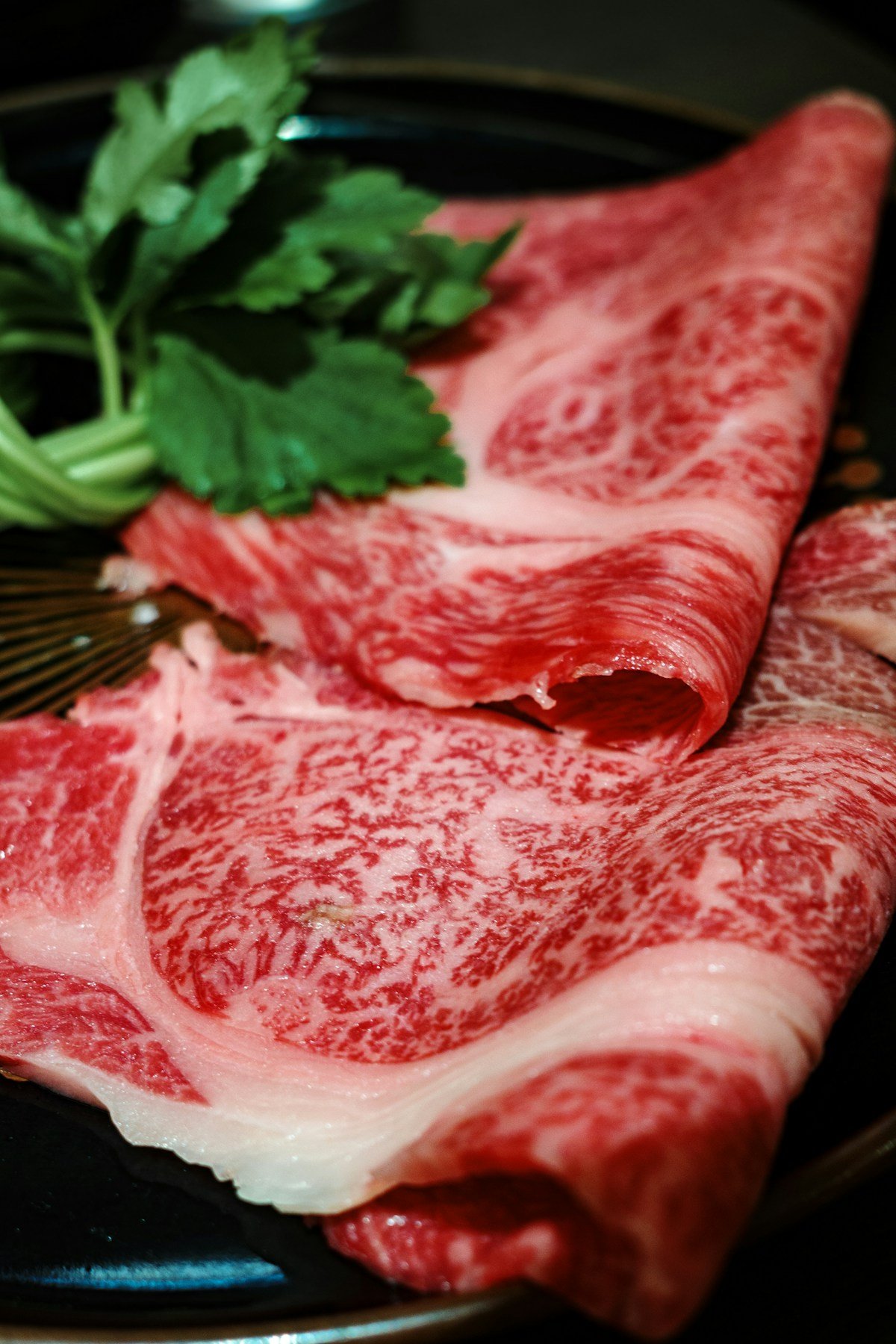
Sendai has a food identity that most Japanese cities of comparable size cannot claim. Gyutan - the grilled beef tongue style created here in 1948 - has become nationally famous, but it sits alongside a broader Tohoku food culture built around cold-sea seafood, mountain vegetables, miso fermentation, and one of Japan’s best sake-producing regions. Here is what to prioritise if you are eating in Sendai.
Gyutan: The Essential Sendai Experience
Gyutan means beef tongue, and Sendai’s version is something distinct from the thin-sliced tongue served at standard yakiniku restaurants elsewhere in Japan. Keishiro Sano, who ran a yakitori restaurant near Sendai Station, began experimenting with whole beef tongue in 1948 - salting and curing it for days before grilling it over charcoal. The result was a thicker, more flavourful cut with a satisfying chew and a depth of flavour that thin-sliced tongue cannot achieve.
A standard gyutan teishoku (set) costs approximately ¥2,500–¥3,500 as of 2026. It arrives as a package: six to eight thick slices of grilled tongue alongside mugi-gohan (barley rice - not plain white rice), oxtail soup, and Japanese pickles. The barley rice matters - its texture and slight chewiness balance the richness of the tongue in a way that plain rice does not.
The most established names in the gyutan world are Rikyu, Kisuke, and Negishi, all of which have branches near or inside Sendai Station. At all three, expect queues at lunch on weekdays and throughout the day on weekends. Premium aged-tongue cuts run ¥4,000–¥5,000. For a more relaxed experience, try a gyutan restaurant in the covered arcades (Chuo-dori or Ichiban-cho) away from the station cluster.
Sasakamaboko
Sasakamaboko is the food Sendai residents are most proud of that the rest of Japan has barely heard of. It is a grilled fish cake made from high-quality white fish paste - typically cod, Alaska pollock, or sole - pressed into a bamboo leaf shape, pinned onto a small bamboo stick, and grilled until lightly smoky on the outside. The texture is springy and dense; the flavour is clean fish with a slight char.
Unlike industrially produced kamaboko sold throughout Japan, Sendai’s sasakamaboko is produced by artisan makers using traditional recipes. The best producers - Kaneiri and Abe Kamaboko are the two names to remember - operate shops near Sendai Station and at the arcades, and sell sasakamaboko warm from the grill as a standing snack (approximately ¥150–¥200 per piece as of 2026). It is also sold vacuum-packed and refrigerated as a souvenir.
The texture changes noticeably between fresh-grilled and cold. Fresh is better - the spring in the fish cake and the faint woodsmoke from the grill are part of the experience.
Zunda Mochi
Zunda mochi has become almost synonymous with Tohoku confectionery. It is mochi (sticky pounded rice cake) dressed in a vivid green paste made from crushed edamame (young soybeans). The paste is lightly sweetened and has a clean, slightly grassy flavour that balances the neutral chew of the mochi.
Sendai Station sells zunda in multiple forms: traditional mochi, zunda cream puffs, zunda tarts, zunda milkshakes (available at Zunda Shake kiosks throughout the station). The sweets make practical souvenirs - most are packaged to travel for several days at room temperature. Prices range from ¥300 for a simple mochi portion to ¥1,500 for gift boxes.
Seafood from Shiogama and Matsushima
Sendai sits close to some of the most productive fishing waters in Japan. The Sanriku coast north and east of the city is particularly rich in oysters, sea urchin, abalone, and Pacific saury (sanma), and the port town of Shiogama - 30 minutes from Sendai by train - is one of Japan’s largest tuna landing ports.
Shiogama’s Sunday market, the Shiogama Seafood Market (Shiogama Gyosai Market), runs every Sunday from 8am and draws buyers from across the region. Whole fresh tuna, oysters sold by the box, sea urchin in season, and Matsushima oysters are all available at prices significantly below what you would pay in Tokyo or Osaka.
For a more organised experience, the Kanransha restaurant in Matsushima serves kaiseki-style seafood menus (from approximately ¥6,000 per person) built around local catch. Matsushima oysters in particular - smaller, saltier, and more intense than farmed oysters elsewhere - are worth the 40-minute JR journey.
Sendai Miso
The Sendai region has produced miso for centuries, and Sendai miso is a distinctive style: reddish-brown, fermented for longer than most commercial miso, with a bolder flavour and higher salt content than the white miso common in western Japan. It is used as the base for miso soup, in marinades for grilled fish and vegetables, and as a component in local dressings.
Restaurants throughout Sendai serve miso soup made with local miso as a matter of course - it arrives as part of most set meals. If you want to take some home, artisan miso shops near Sendai Station sell 500g tubs from around ¥600.
Tasting Sake from the Tohoku Region
Miyagi Prefecture sits at the edge of Japan’s sake heartland. The cold mountain water and cold winters that define the region are ideal conditions for sake production, and several breweries operate within easy reach of Sendai.
Urakasumi, based in Shiogama, is the most established Miyagi brewery. Their junmai daiginjo (the purest, most refined classification) is consistently rated among Japan’s best. Bottles sell at the brewery shop and at Sendai’s department stores for approximately ¥3,500–¥5,000 per 720ml. The Sendai Station depachika carries a selection from multiple local breweries alongside regional craft beer options.
See Sendai through its food: Food and cultural tours in Sendai often include market visits, tastings, and dishes you’d never find independently.
Where to Eat Near Sendai Station
The food options around Sendai Station cover every budget. The station depachika (basement floor) has the most efficient concentration of Sendai specialties - multiple gyutan stalls, sasakamaboko counters, and Tohoku produce vendors, all in one air-conditioned space. This is also where to pick up bento boxes featuring local ingredients if you are continuing by shinkansen.
For a full sit-down meal, the covered arcades (a 5-minute walk northwest of the station) have independent restaurants at mid-range prices. Gyutan sets are a touch less expensive here than inside the station building. For a more casual lunch, izakaya-style restaurants on the side streets of Kokubuncho - Sendai’s entertainment district, about 10 minutes’ walk - serve local seafood, miso dishes, and gyutan alongside draft beer.
See the full Sendai travel guide for transport and general orientation, and best restaurants in Sendai for specific dining recommendations with addresses and hours.
Where to stay: Search hotels in Sendai on Booking.com
See also: Things to do in Sendai · Where to stay in Sendai · Day trips from Sendai · Matsushima travel guide · Aomori travel guide · Tohoku region guide