Kanazawa sits on the Sea of Japan coast of central Honshu, about 2.5 hours from Tokyo by Shinkansen - close enough to the sea for fish to arrive daily at Omicho Market, and close enough to Kyoto’s cultural orbit to have developed a refined food tradition quite unlike anything further inland. The city was never bombed during the war, so its old merchant and geisha quarters survive intact, and with them a continuous tradition of high-quality local cooking that goes back several centuries.
For a fuller picture of Kanazawa’s neighbourhoods and sights, see the Kanazawa travel guide.
Omicho Market - Where Kanazawa Eats
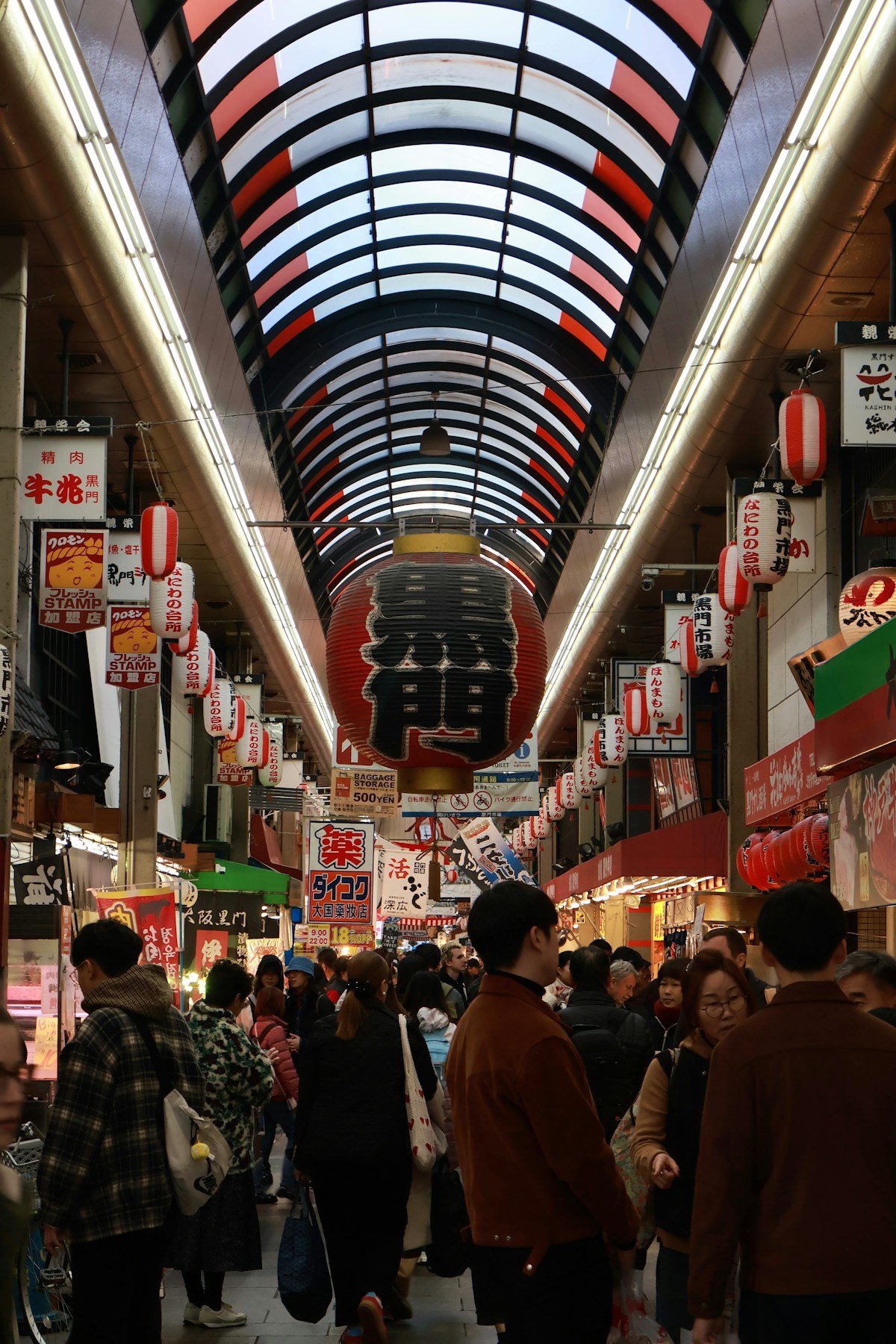
Omicho Ichiba is a covered market in central Kanazawa that has operated on the same site since the Edo period. Approximately 170 shops occupy a labyrinth of covered alleys, selling fresh fish, vegetables, tofu, pickles, and prepared food. It is the primary source for Kanazawa’s restaurant kitchens and a destination in itself.
The market opens early (most fish stalls from 06:00; shops from 08:00–09:00) and quietens significantly by 15:00. Weekend mornings are the most atmospheric and the most crowded.
Sushi counters inside Omicho Market: Several small counter sushi restaurants operate inside or immediately adjacent to the market, drawing directly on the fish stalls outside. These are among the best-value sushi experiences in Japan: seasonal fish, skilled preparation, and counter service at half the price of comparable Tokyo restaurants.
- Omicho Market Sushi Restaurants (various names): Lunch sushi sets from ¥1,800–¥3,500. Most counters seat 8–14 people and have a visual menu showing the seasonal fish. Arrive at 11:00 to avoid peak queues (noon–13:30 is busiest on weekends). No reservations typically accepted.
What to look for at the market stalls:
- Zuwaigani (snow crab): November–March season. Full crabs ¥5,000–¥12,000; crab legs sold separately by the piece. The market price is the wholesale rate - significantly cheaper than ordering at a restaurant.
- Shiroengawa (white shrimp): A near-translucent shrimp caught locally and used as a topping on sushi or in donburi. Sweet and delicate. Available spring through autumn.
- Buri (yellowtail/amberjack): Kanazawa’s winter fish, arriving fat and fatty from the cold Sea of Japan. Best eaten as sashimi or in sushi.
- Kaga vegetables: Several unique local varieties - Kaga lotus root, Kinjiso chrysanthemum greens, and Kanazawa carrot - sold fresh at vegetable stalls. You will see these at dinner restaurants in the evening.
Jibuni: Kanazawa’s Signature Stew
Jibuni is a warming stew unique to Kanazawa cuisine: thin slices of duck or chicken (dusted in wheat flour to help the sauce cling), fu (dried wheat gluten blocks softened in broth), and seasonal vegetables simmered in a dashi stock seasoned with soy sauce, mirin, and sake. The name reportedly derives from “jibujib,” an Edo-period onomatopoeia for the simmering sound.
It is served as part of multi-course kaiseki meals at traditional restaurants, but also available as an à la carte dish at more casual establishments.
Where to try jibuni:
- Kanazawa specialty restaurants near the Higashi Chaya district: Lunch jibuni sets from approximately ¥2,200–¥3,500. Dinner courses incorporating jibuni from ¥6,000 upward.
- Kanazawa Ramen Kaiseki (Katamachi area): Some mid-range restaurants serve jibuni as part of a set with rice and pickles for approximately ¥1,800 at lunch.
Kaga Wagashi - Traditional Confectionery
Kanazawa is one of Japan’s three great wagashi (traditional Japanese sweets) cities, alongside Kyoto and Tokyo. The sweets here reflect the seasonal changes with unusual precision: spring brings cherry blossom and fern designs; summer brings the pale green of new tea; autumn brings maple and chrysanthemum shapes.
Morihachi (founded 1625): One of the oldest confectionery shops in the country. Morihachi sells rakugan (pressed sugar and rice flour sweets) in seasonal moulds, yokan (red bean jelly), and traditional Kaga cake varieties. Their flagship shop is in the Higashi Chaya district; individual pieces from ¥200, gift boxes from ¥1,200.
Murataen: A second long-established wagashi shop in the same area, known for its fresh namagashi (soft confectionery served with matcha at tea ceremonies). Namagashi sets ¥500–¥800.
Gold Leaf Sweets and Ice Cream
Kanazawa’s gold leaf industry produces about 99 percent of Japan’s decorative gold leaf output, and the city leans into this heritage with a range of edible gold products.
Gold leaf soft-serve ice cream: Sold from stalls near Higashi Chaya and in the Kenroku-en garden area. A gold sheet is pressed onto a vanilla or matcha soft-serve cone in front of you. Approximately ¥700–¥900. The taste is identical to the plain cone - the gold is flavourless - but the visual effect and the experience of eating something covered in gold leaf is genuinely fun.
Hakuichi (箔一): A gold leaf shop near Higashi Chaya that also sells gold-leaf-infused beauty products and confectionery, including gold-flecked sake and gold leaf-topped cream mochi. Worth a browse even without buying.
Sake
Kanazawa and the broader Ishikawa Prefecture produce several notable sake breweries. The local style tends toward clean, dry junmai varieties that pair well with seafood. Key brands to look for in restaurants and at izakaya:
- Fukumitsuya: The most famous Kanazawa brewery, in continuous operation since the 1630s. Available in most izakaya in the city.
- Shiramaneyuki: A lighter, more aromatic style popular as an accompaniment to white fish sashimi.
See Kanazawa through its food: Food and cultural tours in Kanazawa often include market visits, tastings, and dishes you’d never find independently.
Budget Reference (as of 2026)
| Item | Venue | Approximate cost |
|---|---|---|
| Sushi lunch set | Omicho Market counter | ¥1,800–¥3,500 |
| Snow crab (half) | Omicho Market stall | approximately ¥3,000 |
| Jibuni set lunch | Katamachi restaurant | ¥1,800–¥2,500 |
| Gold leaf soft-serve | Higashi Chaya stall | ¥700–¥900 |
| Kaiseki dinner (jibuni course) | Traditional restaurant | ¥6,000–¥15,000 |
| Wagashi set | Morihachi or Murataen | ¥500–¥800 |
Where to stay: Search hotels in Kanazawa on Booking.com
See also: Kanazawa travel guide · Best restaurants in Kanazawa · Things to do in Kanazawa · Kyoto vs Kanazawa · Chubu region guide