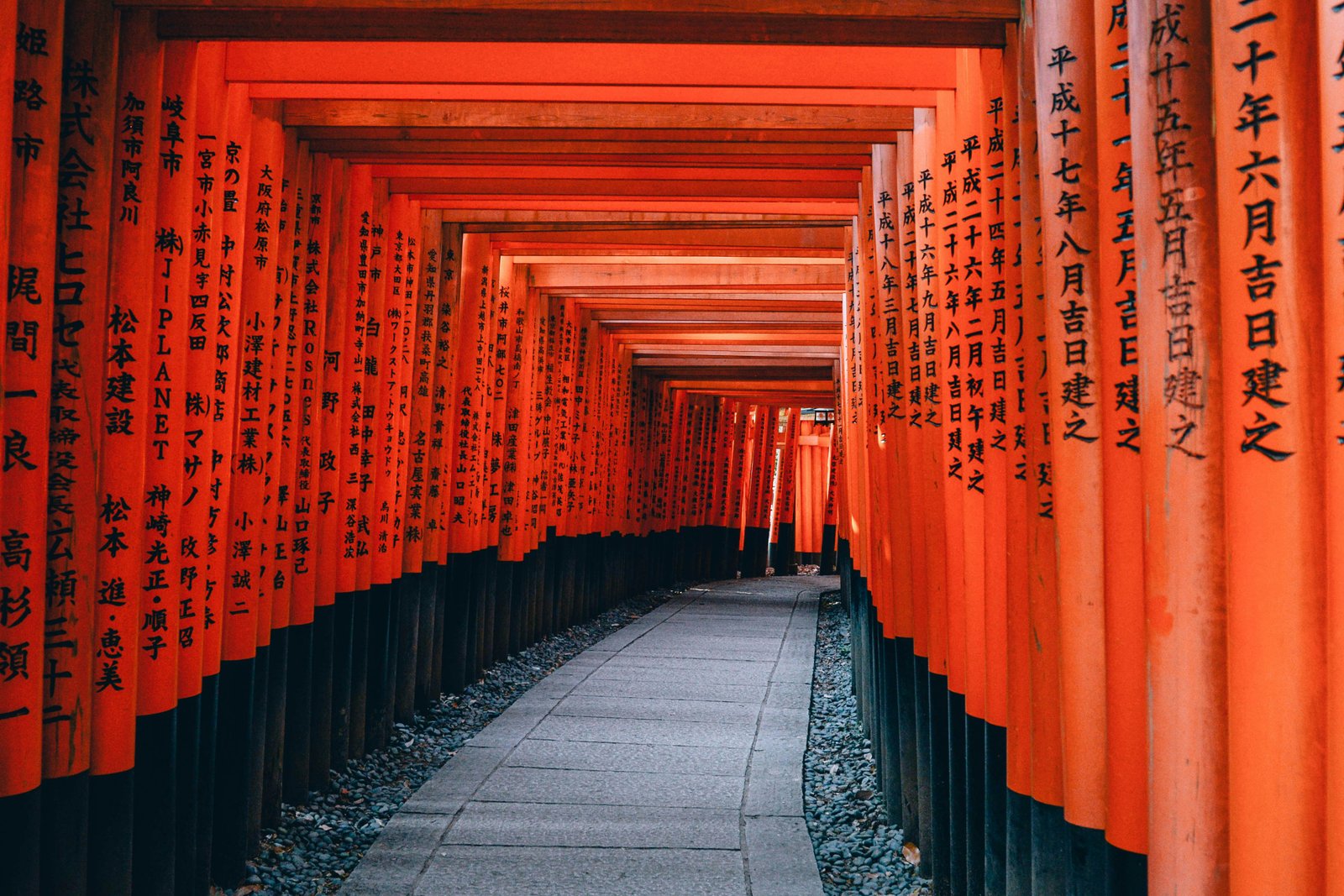
Japan rewards visitors who pay attention. A few small gestures - bowing correctly, handling chopsticks thoughtfully, removing shoes without being asked - communicate respect far more effectively than any phrasebook. Get them right and interactions become warmer. Get them wrong and nobody will say anything, but the moment passes awkwardly.
This guide covers the situations where Western tourists most often stumble.
Why Tipping Is Considered Rude in Japan
Japan operates on a principle of omotenashi - wholehearted hospitality given without expectation of reward. Tipping disrupts this entirely. When you leave cash on the table or hand money to a server after a meal, you are, in Japanese cultural terms, suggesting that their standard of service was somehow contingent on extra payment. The implication can read as insulting.
What actually happens when tourists tip: In many restaurants and taxis, staff will chase you out the door to return the money, assuming you forgot it. In some cases they cannot legally accept it. In others the employee would have to report it to a manager. The discomfort this creates is genuine.
Skip the tip everywhere: restaurants, taxis, hotels, ryokan, hair salons, spas. The service you receive in Japan is simply what service looks like there - exceptional as a baseline.
The one exception some travellers encounter is private tour guides hired for a full-day personal experience. Even then, offering a small wrapped gift rather than cash is the more culturally fluent move. If you want a guided cultural experience where gratuities are not expected, book a local tour through GetYourGuide - guides are compensated fairly through the platform.
Ryokan Etiquette
A stay in a traditional Japanese inn (ryokan) involves a set of unwritten rules that can feel overwhelming at first. They are worth learning because the experience is one of the best things Japan offers.
Slippers and the genkan: When you arrive, you step out of your outdoor shoes in the entryway (genkan) and step directly into the indoor slippers provided. You never walk in outdoor shoes past the genkan threshold. Slippers are worn throughout the common areas but not on tatami matting - when entering a tatami room, remove slippers at the edge.
Toilet slippers: Many ryokan keep a separate pair of slippers inside the bathroom. Put those on when you enter, swap back to the hallway pair when you leave. Forgetting and walking back through the corridor in toilet slippers is a classic visitor mistake.
Yukata: The light cotton robe left in your room is for wearing to dinner, to the onsen, and around the inn. Wrap it left over right - right over left is how the deceased are dressed at funerals. The error is more common than you would expect.
Onsen rules: Strip completely in the changing room. Wash and rinse thoroughly at the shower stations before entering the communal bath - you are not there to get clean, you are there to soak. Tattoos remain prohibited at many onsen due to historical associations with organised crime; check the property policy before booking if this is relevant. Submerge your towel in the bath and you will draw stares. Keep it folded on your head or at the poolside. Read our full onsen guide for more detail.
Temple and Shrine Protocol
Shinto shrines and Buddhist temples are active places of worship, not photo sets. The distinction matters: shrines (jinja) are Shinto, marked by torii gates; temples (tera or ji) are Buddhist, often with incense braziers and statues of the Buddha.
Approaching a shrine torii gate: A slight bow before passing through is the traditional greeting. You are entering a sacred space. Walk to the left or right of the central path (sandō) - the centre is considered the domain of the deity.
Purification fountain (temizuya): At the stone water basin near the entrance, ladle water over your left hand, then your right, then cup your left hand to rinse your mouth (spit the water to the side, not back into the basin). Western visitors frequently skip this entirely or use it incorrectly. It takes thirty seconds and signals genuine respect.
Making an offering and praying: Toss a coin into the offering box (saisen-bako) - any coin, though 5-yen coins are considered lucky. Ring the bell if one is present. Bow twice, clap twice, pray, then bow once more. The sequence is 2-2-1 and applies at most Shinto shrines.
Photography: Interiors of temple halls are frequently off-limits to cameras. Look for signs before shooting. Never photograph people mid-prayer without permission.
Restaurant Etiquette
Japanese restaurants have their own rhythm, and matching it reduces friction.
Oshibori: The small hot or cold towel handed to you on arrival is for cleaning your hands, not your face or the table. Use it, fold it, set it aside.
Itadakimasu: Before eating, Japanese diners say itadakimasu (roughly “I humbly receive”). You are not required to say it, but you will notice everyone else does. Saying it yourself is appreciated.
Chopstick rules: A short list of things that are genuinely offensive:
- Never stab food vertically with chopsticks - this mirrors placing incense sticks upright in an offering bowl for the dead.
- Never pass food chopstick-to-chopstick - this mirrors how cremated bones are passed between family members at a funeral. Place food on a plate and let the other person pick it up.
- Never leave chopsticks standing upright in a rice bowl - same funeral association as stabbing.
- Never wave chopsticks over dishes while deciding what to eat (mayoi-bashi).
- Never lick chopsticks clean.
Resting chopsticks across the bowl or on the holder provided is correct.
Pouring drinks: Fill others’ glasses before your own. If you are with Japanese colleagues or hosts, watch for empty glasses and refill them proactively. It is polite to refuse a refill by holding your hand over the glass.
Slurping noodles: Perfectly acceptable - in fact, a mild compliment to the food. Do not feel self-conscious about it.
Splitting bills: Asking for separate bills (betsu-betsu) is acceptable. The host paying for the group is also common. Don’t reach for the bill and insist repeatedly - offer once, defer gracefully.
Train Etiquette
Japan’s rail network is quiet and orderly in ways that require adjustment from visitors used to other systems.
Quiet carriages: Many shinkansen have a designated silent car. Even outside designated quiet cars, phone calls on trains are considered rude throughout the network. Keep calls to a minimum and step off if you must take one.
Queuing: Yellow painted lines on platforms mark exactly where to queue for each carriage door. People queue in two orderly lines and wait for passengers to exit before boarding. Jumping the queue is one of the quickest ways to generate visible disapproval.
Seating for priority passengers: The seats marked with pink or blue stickers near the doors are priority seating for the elderly, pregnant passengers, and those with disabilities. Vacate them when needed, and if you must sit there, avoid using your phone entirely.
Volume and bags: Keep backpacks in front of you or on the overhead rack during busy periods. Keep voices low. Eating and drinking on local trains is frowned upon, though it is acceptable on long-distance trains and shinkansen.
Bowing
Bowing is the all-purpose greeting, thanks, and farewell in Japan. Visitors don’t need to master it perfectly - a respectful tilt of the head and slight forward lean goes a long way.
The rough guide to depth:
- Casual acknowledgment: 5–10 degrees - passing someone you know, thanking a cashier.
- Standard greeting or thanks: 15–30 degrees - meeting someone, thanking a host.
- Sincere apology or deep respect: 45 degrees or more - rare in casual contexts.
Don’t overthink it. The effort itself communicates respect, even imperfectly. Attempting to shake hands while a Japanese person is bowing creates an awkward collision - let them lead and follow their cue.
Business Card Exchange (Meishi)
If you are visiting Japan for business, handling business cards correctly matters. A meishi is an extension of the person handing it to you.
Receive a card with both hands. Look at it properly - read it, acknowledge it. Do not shove it immediately into a back pocket. If you are seated at a table, place cards received in front of you in the order you received them, or in a card holder. Cards go in a proper card case, never a wallet where they will be bent or sat on.
If you bring your own cards, have them printed in English on one side and Japanese on the other, and offer them with both hands, Japanese side facing the recipient.
Gift-Giving
Bringing a gift (omiyage) from your home country when visiting a Japanese home or meeting Japanese colleagues is always appreciated. Presentation matters as much as content:
- Wrap the gift, or buy something that arrives gift-wrapped.
- Present it at the start or end of a visit, not mid-conversation.
- Don’t be surprised if the recipient doesn’t open it immediately in front of you - this is common and not a sign of disinterest.
- Avoid gifts in sets of four: the word for four (shi) is a homophone for “death.”
- White is associated with mourning - avoid predominantly white packaging.
Food from your home region - especially anything local and recognisably foreign - tends to go down well.
Removing Shoes (Genkan)
The genkan - the slightly recessed entryway in homes, many traditional restaurants, and some ryokan - is the line between the outside world and the clean interior. Shoes come off here and are placed neatly, facing outward for easy retrieval.
Common mistakes: stepping back into the genkan in indoor slippers (you will dirty them), or leaving shoes pointing inward (turn them around). If you see a row of shoes at the entrance, that is your cue to remove yours regardless of whether a sign is posted.
At many traditional restaurants (kaiseki, izakaya with tatami seating), a staff member will direct you to remove shoes. In those cases a small locker or rack is usually provided.
Common Mistakes Western Tourists Make
- Talking loudly on trains. The silence on Japanese public transport is not awkward - it is the standard.
- Eating while walking. Acceptable in food stall areas, but generally considered impolite elsewhere. Find a bench or eat at the stall.
- Tipping out of habit. See the opening section. It genuinely creates discomfort.
- Photographing people at prayer. A moment of genuine devotion is not a tourist attraction.
- Skipping the temizuya. At shrines, this is the equivalent of walking into someone’s home without removing your shoes.
- Passing food chopstick-to-chopstick. People occasionally do this casually, recreating a funeral rite without knowing it.
- Wearing outdoor shoes on tatami. The flooring is expensive and easily damaged.
Japan is one of the most forgiving countries for tourists navigating an unfamiliar culture - locals are patient and accustomed to visitors. But small gestures of care make every interaction noticeably warmer.
For language help before your trip, see our Japanese phrases guide. For day-to-day logistics, our getting around Japan guide covers trains, buses, and taxis in detail. Before you travel, make sure you have a working SIM - an eSIM for Japan from Airalo activates before you land and keeps you connected from the moment you arrive.
Plan Your Trip
- Flights - Find the best fares to Japan
- Hotels - Search hotels in Japan on Booking.com
- Travel Insurance - Get covered before you go
- eSIM - Stay connected from landing
- Car Rental - Compare prices across providers
- Tours and activities - Browse experiences on GetYourGuide