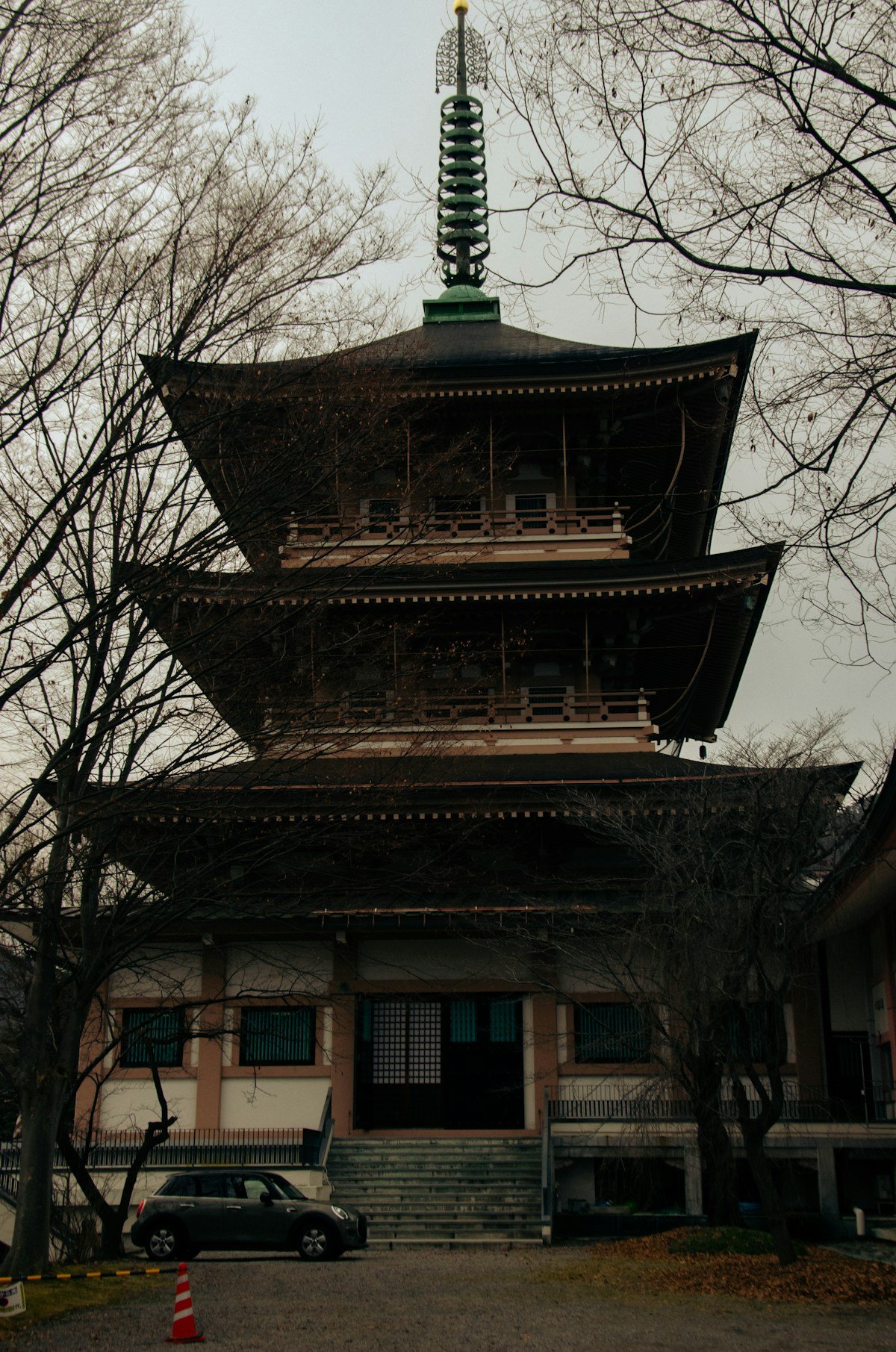
Nagano city sits in the Nagano Basin at around 370 metres elevation, surrounded by the Japanese Alps. It is best known internationally as the host of the 1998 Winter Olympics and as the gateway to ski resorts including Hakuba, Nozawa Onsen, and Shiga Kogen. The city itself is anchored by Zenkoji - one of Japan’s most important Buddhist temples, drawing over six million pilgrims and visitors annually. For most travellers, Nagano works best as a touring base that combines cultural sightseeing with mountain recreation. Search hotels in Nagano on Booking.com
Neighbourhood Guide
Nagano Station Area - Best Transport Connections
Nagano Station is the hub of the Hokuriku Shinkansen and the departure point for trains to Matsumoto, Hakuba (via the Oito Line), and the Nagano Electric Railway to Yudanaka (for Jigokudani Monkey Park and Nozawa Onsen). The area within a 15-minute walk of the station contains the highest density of budget and mid-range accommodation in the city.
Who it suits: Shinkansen arrivals from Tokyo; travellers using Nagano as a base for multiple day trips; ski groups who need morning bus connections to resorts; business visitors.
Accommodation:
- Budget business hotels: approximately ¥6,500–¥10,500 (~$43–$70) - Toyoko Inn Nagano-eki Zenkoji-Guchi, APA Hotel Nagano
- Mid-range: approximately ¥11,000–¥20,000 (~$73–$133) - Dormy Inn Nagano, JR Central Towers and Nagano Hotel connected properties
- Luxury: approximately ¥22,000–¥45,000+ (~$147–$300+) - Hotel Metropolitan Nagano (from approx ¥25,000), Daiwa Roynet Hotel Nagano
Zenkoji Temple Approach - Most Atmospheric Option
The Omotesando (temple approach road) leading north from Nagano Station to Zenkoji is lined with small shops, inns, and traditional buildings. Staying along this approach - particularly in one of the temple-affiliated shukubo (monk’s lodgings) or small traditional ryokan - puts you within a 5-minute walk of the temple for the early morning service, which opens at sunrise and draws a devoted crowd.
The atmosphere here is genuinely different from the station area. Accommodation is less concentrated than near the station, but the walk between the two zones takes about 20 minutes on foot or 5 minutes by bus.
Who it suits: Travellers who want early temple access; those interested in Nagano’s pilgrimage culture; visitors who prefer an atmospheric setting to transport convenience.
Accommodation:
- Shukubo (temple lodgings): approximately ¥8,000–¥18,000 per person including meals (~$53–$120) - several Zenkoji-affiliated temples offer overnight lodging; Daikannon-in and Jikoin are among the well-regarded options
- Traditional ryokan: approximately ¥15,000–¥30,000 (~$100–$200) - Fujiya Gohonjin (traditional inn near the approach, from approx ¥18,000)
- Budget: approximately ¥6,500–¥9,000 (~$43–$60) - Guesthouse Buena Vista Nagano (near the approach)
Ski Resort Proximity - Hakuba and Nozawa Onsen
For travellers whose primary purpose is skiing, the accommodation picture changes significantly. Hakuba Valley - a cluster of 10 resorts in the mountains about 50 kilometres from Nagano city - is accessible by bus from Nagano Station in about 60 minutes. Nozawa Onsen village is 75 minutes by bus. Staying in either resort village means walking to lifts, but adds significant transit time for any city sightseeing.
Within the city, several hotels near Nagano Station offer ski packages that include morning resort bus transfers, making them practical for skiers who also want to visit Zenkoji or the city.
Area Comparison Table
| Area | Best for | Budget (¥/night) | Mid-range (¥/night) | Luxury (¥/night) |
|---|---|---|---|---|
| Station area | Transport, convenience | ¥6,500–¥10,500 | ¥11,000–¥20,000 | ¥22,000+ |
| Zenkoji approach | Temple access, atmosphere | ¥6,500–¥9,000 | ¥15,000–¥25,000 | ¥25,000+ |
| Hakuba village | Ski access | ¥8,000–¥14,000 | ¥16,000–¥30,000 | ¥35,000+ |
| Nozawa Onsen village | Onsen + ski | ¥9,000–¥15,000 | ¥18,000–¥32,000 | ¥35,000+ |
Accommodation Types
Budget Business Hotels (¥6,500–¥10,500 / ~$43–$70)
Toyoko Inn Nagano-eki Zenkoji-Guchi occupies the best budget location in the city - directly at the Zenkoji exit of Nagano Station, with rooms from approximately ¥7,000 as of 2026. APA Hotel Nagano is a reliable alternative near the station from approximately ¥7,500. For solo travellers or groups, guesthouse-type accommodation near Zenkoji approach offers beds from approximately ¥3,000–¥4,500 per night.
Shukubo (Temple Lodgings)
A shukubo stay at one of Zenkoji’s affiliated temple compounds is one of the more distinctive accommodation experiences available in Japan. Guests sleep on futon in tatami rooms, meals (typically shojin ryori vegetarian Buddhist cuisine) are included in most cases, and the temple morning service - starting before sunrise - is open to lodging guests. Rates from approximately ¥8,000–¥18,000 per person including breakfast and dinner as of 2026. Advance booking is essential and some temples accept reservations only in Japanese.
Mid-Range Hotels (¥11,000–¥25,000 / ~$73–$167)
Dormy Inn Nagano provides the chain’s communal hot spring bath experience near the station, with rooms from approximately ¥12,000 as of 2026. Fujiya Gohonjin near the Zenkoji approach has operated as a traditional inn for generations and offers Japanese-style rooms with yukata, communal baths, and breakfast from approximately ¥18,000.
Luxury Hotels (¥22,000–¥45,000+ / ~$147–$300+)
Hotel Metropolitan Nagano, operated by JR East, is the most polished full-service property in central Nagano, directly connected to the station, with multiple restaurants and rooms from approximately ¥25,000 as of 2026. For ski-focused luxury, resort hotels in Hakuba - including properties affiliated with international chains - run from approximately ¥35,000 per night, often including lift pass packages.
Getting to Nagano? Compare flights to Japan to find the best international connection. Travel insurance for Japan covers delays, cancellations, and medical costs - worth sorting before you finalise accommodation bookings. An Airalo eSIM for Japan means you have mobile data and maps from the moment you land.
Booking Tips
Ski season (December–March): Weekends and Japanese school holidays fill properties in Nagano city and completely sell out Hakuba and Nozawa Onsen. Book two to three months ahead for ski season weekends. Mid-week availability is more forgiving.
Zenkoji morning service: The service opens at dawn - times vary seasonally but typically 5:30–6:00 a.m. in winter, earlier in summer. Staying on the approach or in a shukubo means you can walk over in the dark and participate without logistics. Day visitors from the station face a 20-minute walk or waiting for early buses.
Matsumoto combination: Matsumoto - home to one of Japan’s finest original castles and an excellent arts scene - is 45 minutes from Nagano by JR Shinonoi Line (approximately ¥840). The two cities are best covered as a pair on a two- or three-night itinerary rather than as rushed day trips.
See also: Nagano travel guide · Things to do in Nagano · Day trips from Nagano · Snow monkeys at Jigokudani · Chubu region guide