Ehime Prefecture’s food identity is built around two ingredients: sea bream from the Seto Inland Sea and citrus from the prefecture’s south-facing hillsides. Matsuyama sits at the intersection of both - a city where the fishing fleet and the citrus orchards both contribute to the local table. The food is less showy than Osaka’s or Kyoto’s, but the ingredients are excellent and the regional identity is genuine.
Tai-meshi (Sea Bream Rice)
Tai - sea bream - is the symbolic fish of Japan (the word “tai” is embedded in “omedetai,” meaning celebratory). Ehime’s version, tai-meshi, takes two distinct forms:
Matsuyama (northern) style: The whole bream or bream fillets are braised in a seasoned broth and placed in a clay pot with rice, which then cooks together so the fat and juices of the fish infuse every grain. The fish flesh, by the time the pot arrives at the table, is tender enough to fall from the bone with chopstick pressure. This is a rich, satisfying dish, best ordered for lunch.
Southern Ehime (Uwajima) style: This version is prepared at the table. Raw bream sashimi is sliced thin and arranged in a bowl over warm rice. A raw egg and a mixture of soy sauce, dashi, and sesame are poured over the fish, and the whole bowl is mixed together before eating. The egg half-cooks against the warm rice. The flavour is light, briny, and far more delicate than the braised northern style.
Where to eat it: Okadaya near Okaido (northern/braised style), or ask at the Dogo Onsen tourist information centre for current recommendations for the southern raw style, which is less common in Matsuyama itself.
Jakoten (Ehime Fish Cake)
Jakoten is made from small white fish - originally the small croaker called jyako, now including other small catch - ground into a paste with salt and fried in a flat patty. The outside becomes golden and slightly crisp; the inside is dense, firm, and flavourful. It does not taste like the soft, sweet chikuwa fish cakes sold across Japan - jakoten is saltier and more intensely fishy, with a slightly chewy texture.
It is sold warm from stalls near Dogo Onsen for approximately ¥150–¥200 per piece and eaten as a walking snack. It also appears as a component in Ehime noodle dishes - boiled into udon or sliced over soba as a topping.
Do not leave Matsuyama without trying jakoten. It is one of the most distinctively local foods in Shikoku.
Botchan Dango
Botchan dango are tri-coloured rice flour dumplings on a skewer - green (matcha), yellow (egg), and red (red bean) - inspired by the novel Botchan, in which Natsume Soseki’s protagonist enthusiastically eats dango in Matsuyama. The dumplings are chewy, lightly sweet, and most interesting when warm. They are sold from stalls near Dogo Onsen Honkan for approximately ¥100 per skewer.
Eating dango in yukata outside Dogo Onsen after bathing is the standard tourist ritual and is entirely worth doing once.
Ehime Ramen
The local ramen style uses a chicken and/or pork broth with soy sauce (shoyu) seasoning - lighter and cleaner than the heavy tonkotsu broths of Kyushu. Ehime’s soy sauce production has a long tradition, and the local brands used in ramen have a slightly sweet, rounded character that distinguishes the broth from Tokyo shoyu ramen.
A typical bowl includes medium-wavy noodles, char siu pork, soft-boiled egg, menma bamboo shoots, and nori seaweed. Prices range from approximately ¥800 to ¥1,100. Ramen shops cluster near the station district and the Okaido shopping arcade.
Mikan and Ehime Citrus
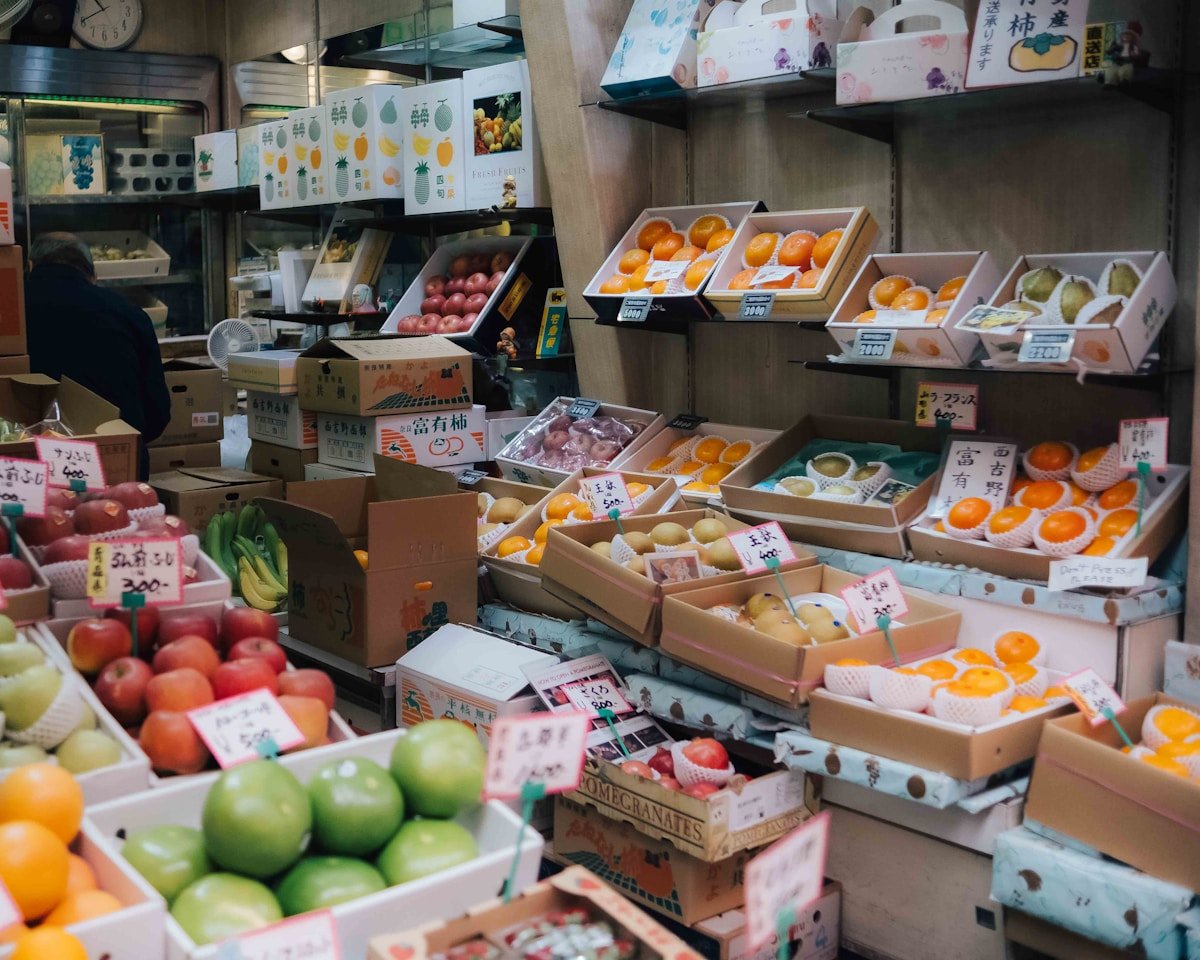
Ehime is Japan’s largest producer of mikan (Satsuma mandarin oranges), and the citrus is available in multiple forms:
- Fresh mikan: In season October to February, sold from stalls near Dogo Onsen and at the station market. Sweet and seedless.
- Mikan juice: Fresh-pressed juice stalls near Dogo Onsen sell pure mikan juice (approximately ¥400 per cup) that tastes genuinely different from commercial orange juice - sweeter, less acidic, with a distinct floral note.
- Iyokan: A larger Ehime citrus hybrid (cross of mandarin and orange), slightly more acidic than mikan, best in January–February. Named after the old name for Ehime - Iyo Province.
- Mikan-flavoured products: Mikan jam, mikan beer, mikan soft serve ice cream, and mikan kanten (agar jelly) are sold from souvenir shops throughout the city. The mikan soft serve at stalls near the castle cable car is the best among the souvenir versions.
Soy Sauce and Local Condiments
Ehime has a long tradition of artisanal soy sauce production, particularly in the Shodo Island area and along the Seto coast. Several Matsuyama stores and the station depachika (food basement) sell premium Ehime soy sauces - slightly sweet, deeply coloured, and more complex than mass-market brands. Worth picking up a small bottle.
Ehime ponzu - citrus-infused soy sauce using local iyokan or yuzu - is used widely in local cooking and is sold as a condiment. The acidity of the local citrus makes Ehime ponzu brighter than versions made with standard lemon.
See Matsuyama through its food: Food and cultural tours in Matsuyama often include market visits, tastings, and dishes you’d never find independently.
Market and Takeaway Options
The Matsuyama station depachika (basement food hall) stocks a good range of local Ehime products: packaged jakoten, local pickles (especially daikon and ginger varieties), mikan products, and prepared tai-meshi for takeaway. The best selection is in the afternoon before the evening rush.
The Dogo shopping street before the onsen entrance has fewer genuinely local food products and more tourist souvenir items - focus on the warm stall items (jakoten, dango, mikan juice) and skip the packaged gift boxes, which are available more cheaply at the station.
For restaurant recommendations, see our best restaurants in Matsuyama guide. For sightseeing, see the Matsuyama travel guide.
Where to stay: Search hotels in Matsuyama on Booking.com
See also: Things to do in Matsuyama · Where to stay in Matsuyama · Day trips from Matsuyama · Shikoku region guide · Onsen guide Japan