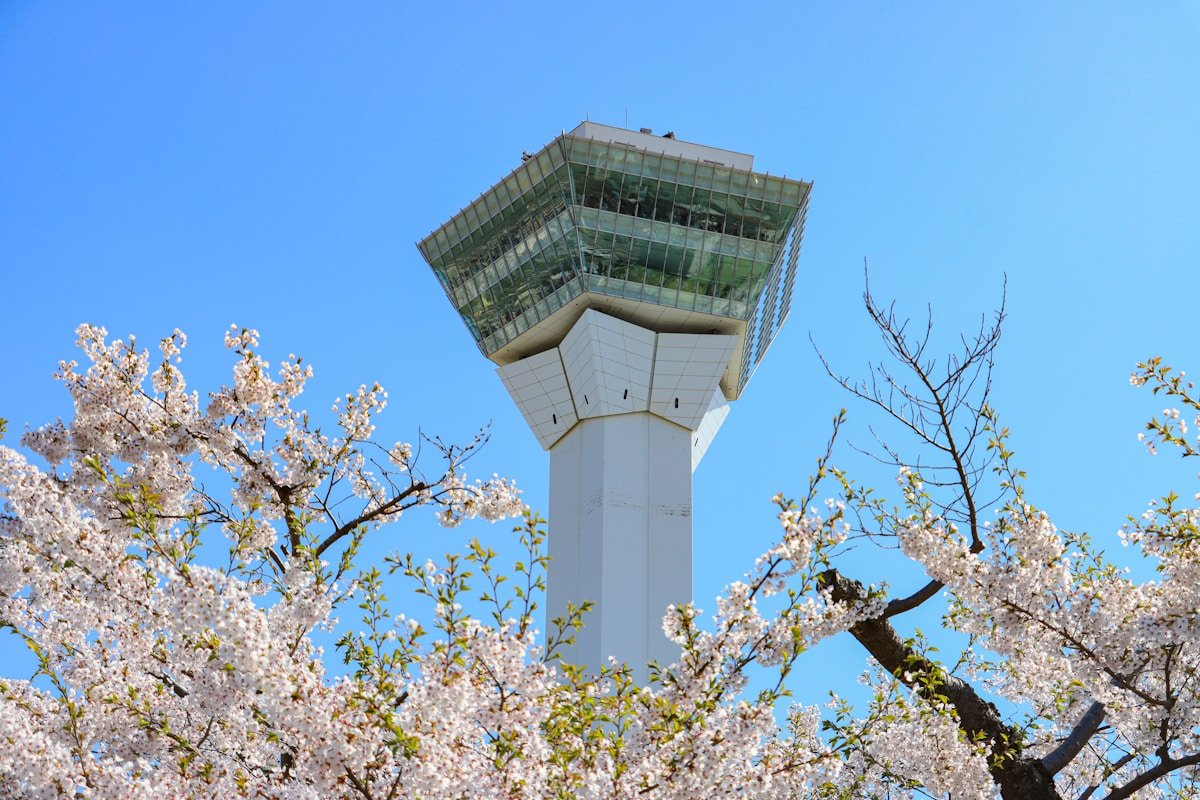
Hakodate occupies the southern tip of Hokkaido on a narrow isthmus between two bays, giving the city a distinctive geography that makes navigation intuitive. The city is small enough to cover on foot or by tram, with two primary visitor zones: the historic Motomachi district on the slopes below Mt Hakodate in the southwest, and the renovated Bay Area with its redbrick warehouses and seafood restaurants. Both are served by Hakodate City Tram from Hakodate Station. Search hotels in Hakodate on Booking.com
Neighbourhood Guide
Hakodate Station Area - Most Practical Base
Hakodate Station connects to the JR Hokkaido network including the Hokuto express to Sapporo (3.5 hours) and the Hokkaido Shinkansen via Shin-Hakodate-Hokuto Station (7 minutes away by train). The Asaichi (morning market) operates immediately adjacent to the station, opening at approximately 5:00 a.m. - one of the best reasons to stay in this zone. The city tram system departs from in front of the station toward Motomachi and Yunokawa Onsen.
Who it suits: Most visitors; those arriving by train; travellers who want immediate morning market access; budget-conscious visitors.
Accommodation:
- Budget business hotels: approximately ¥6,500–¥10,500 (~$43–$70) - Toyoko Inn Hakodate Ekimae, APA Hotel Hakodate-Ekimae
- Mid-range: approximately ¥11,000–¥22,000 (~$73–$147) - Dormy Inn Hakodate, La Vista Hakodate Bay (bay-view rooms)
- Luxury: approximately ¥22,000–¥45,000+ (~$147–$300+) - La Vista Hakodate Bay (premium tier), Hotel JAL City Hakodate
Motomachi - Historic and Atmospheric
Motomachi covers the hillside above the western port, where 19th-century consulates, churches, and Western-style buildings remain from Hakodate’s era as one of Japan’s first international trading ports. The neighbourhood has more visual character than any other part of the city, with steep stone-paved streets, coloured European-style buildings, and the Orthodox Cathedral at the summit.
The ropeway to Mt Hakodate’s summit - from which the famous night panorama is viewed - departs from the Motomachi ropeway station at the top of the hill. Staying in Motomachi means you can walk to the ropeway base in 10–15 minutes.
Who it suits: Couples; travellers prioritising atmosphere and historic character; those who specifically want convenient night-view access.
Accommodation:
- Mid-range boutique: approximately ¥14,000–¥28,000 (~$93–$187) - Pension Puppy (small guesthouse), Hotel Ando (boutique property in a renovated historic building)
- Luxury: approximately ¥25,000–¥50,000+ (~$167–$333+) - Hakodate Motomachi Hotel (views, from approx ¥28,000)
Bay Area (Kanemori) - Waterfront Setting
The Bay Area around the Kanemori Red Brick Warehouses has been developed into a shopping and dining precinct with harbour views. Staying in this zone provides a pleasant waterfront setting and easy access to the seafood restaurants in the warehouses. The tram connects to Motomachi in 5 minutes and to Hakodate Station in 7 minutes.
Who it suits: Couples and leisure travellers; those who prioritise restaurant and bar access; visitors who want a picturesque base without committing to the Motomachi hillside.
Accommodation:
- Mid-range to luxury: approximately ¥14,000–¥40,000 (~$93–$267) - La Vista Hakodate Bay (harbour views, from approx ¥18,000), Hakodate Bay Gorgeous
Yunokawa Onsen - Hot Spring District
Yunokawa Onsen, approximately 20 minutes east of Hakodate Station by tram, is Hokkaido’s oldest hot spring resort. Staying here means access to onsen ryokan with private or communal hot spring baths, a quieter atmosphere, and a 20-minute tram ride to the city centre. Most ryokan include breakfast and dinner.
Who it suits: Travellers who specifically want a traditional ryokan and onsen experience; those who want a quieter alternative to the city centre.
Accommodation:
- Mid-range ryokan: approximately ¥15,000–¥30,000 per person including meals (~$100–$200) - Hakodate Kokusai Hotel (mixed business/resort), Yunokawa Kanko Hotel
- Luxury ryokan: approximately ¥30,000–¥65,000+ per person including meals (~$200–$433+) - Yunohama Hakodate (premium onsen ryokan)
Area Comparison Table
| Area | Best for | Budget (¥/night) | Mid-range (¥/night) | Luxury (¥/night) |
|---|---|---|---|---|
| Station area | Transport, morning market | ¥6,500–¥10,500 | ¥11,000–¥22,000 | ¥22,000+ |
| Motomachi | Atmosphere, night view | Not available | ¥14,000–¥28,000 | ¥25,000+ |
| Bay Area | Waterfront, restaurants | Not available | ¥14,000–¥28,000 | ¥28,000+ |
| Yunokawa Onsen | Hot springs, ryokan | Not available | ¥15,000–¥30,000/person | ¥30,000+/person |
Accommodation Types
Budget Business Hotels (¥6,500–¥10,500 / ~$43–$70)
Toyoko Inn Hakodate Ekimae is the most reliable budget option near the station, with rooms from approximately ¥7,000 as of 2026. APA Hotel Hakodate-Ekimae provides an alternative at a similar price point. For solo travellers, hostel accommodation near the station offers dorm beds from approximately ¥2,800–¥4,000.
Mid-Range Hotels (¥11,000–¥28,000 / ~$73–$187)
Dormy Inn Hakodate near the station offers the chain’s natural hot spring bath experience with views of Hakodate Bay from the upper-floor bath - well-suited to the setting. Rooms from approximately ¥12,000 as of 2026. La Vista Hakodate Bay in the bay area is a step above standard mid-range properties - panoramic bay-view rooms, a rooftop onsen, and a seafood breakfast buffet that is well-regarded, from approximately ¥18,000 for standard rooms, significantly more for bay-view rooms.
Luxury and Ryokan (¥25,000–¥65,000+ / ~$167–$433+)
La Vista Hakodate Bay at the premium tier represents the best city-centre luxury option. For a traditional ryokan experience, the Yunokawa Onsen properties offer the most complete package - private onsen baths, kaiseki dinner, and the quiet of a hot spring village. Yunohama in Yunokawa is among the most refined, with rooms from approximately ¥30,000 per person with meals as of 2026.
Getting to Hakodate? Compare flights to Japan to find the best international connection. Travel insurance for Japan covers delays, cancellations, and medical costs - worth sorting before you finalise accommodation bookings. An Airalo eSIM for Japan means you have mobile data and maps from the moment you land.
Booking Tips
Night view timing: The Mt Hakodate ropeway runs until 10 p.m. in peak season (later on weekends) and costs approximately ¥1,500 round trip as of 2026. The most dramatic views are at dusk - arriving 30 minutes before sunset means you see the cityscape transition from twilight to full illumination. Clear nights are essential; the mountain summit is frequently in cloud, so check the webcam on the ropeway website before going up.
Hokkaido ski season and New Year: Hakodate’s winter months (December to March) see significant demand from both domestic and international visitors combining onsen and ski trips. New Year accommodation (December 31 to January 3) requires booking months in advance.
Summer squid fishing season: From late June through August, the waters off Hakodate are rich in squid. The squid fishing boats lit at night are visible from the waterfront and the mountain summit - one of Hakodate’s distinctive seasonal spectacles.
See also: Hakodate travel guide · Things to do in Hakodate · Best restaurants in Hakodate · Ryokan guide Japan · Hokkaido region guide