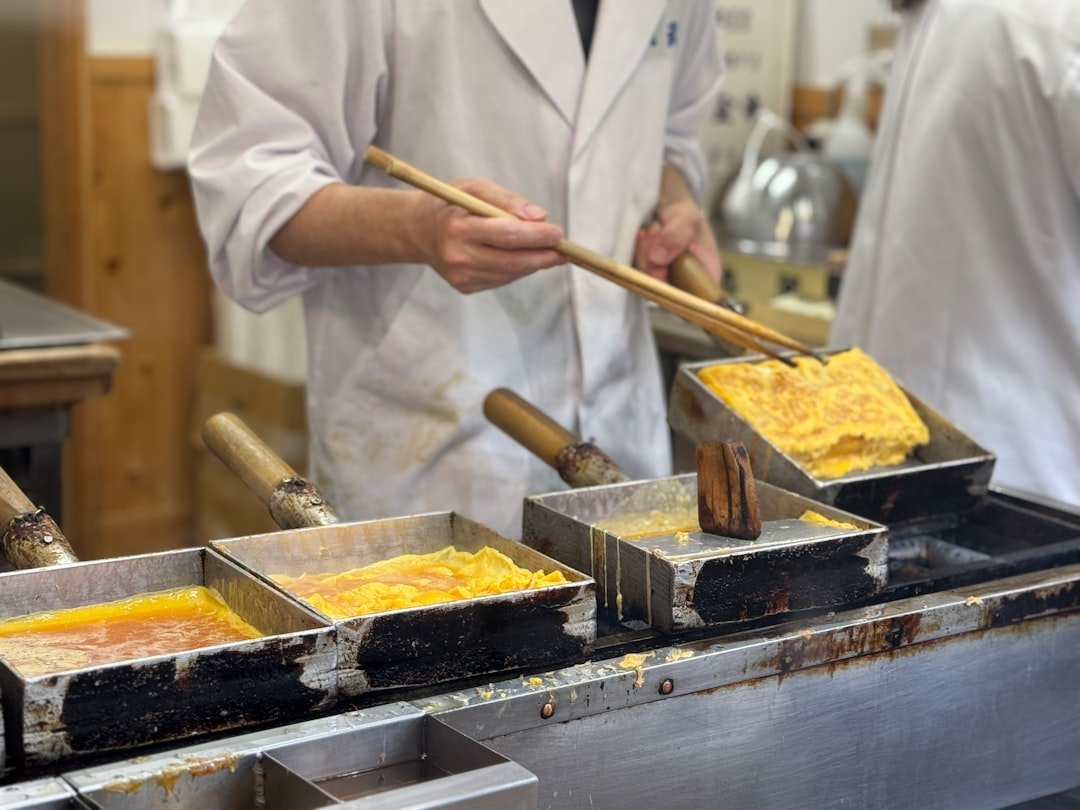
A Tokyo cooking class is one of the most transportable souvenirs you can bring home. You learn the techniques, eat what you make, and leave with recipes that will outlast any market purchase. Classes cover everything from the architecture of a hand-rolled sushi platter to the precise folds of wagashi confectionery - and most run in English with experienced instructors who tailor the pace to beginners.
Tokyo has hundreds of cooking schools, so the main job is matching the class format to what you want to learn. Below is a practical breakdown of the main class types, named operators with current pricing, what each session includes, and how to book.
Top Cooking Classes at a Glance
Here’s a quick comparison of top-rated Tokyo cooking classes on GetYourGuide:
| Class | Duration | Price (from) | Highlights |
|---|---|---|---|
| Wagyu and 7 Japanese dishes cooking class | 2.5 hrs | from $70 | Wagyu beef prep, 7-dish Japanese meal, small group |
| Sushi making class - Tokyo | 2 hrs | from $66 | Nigiri, maki, temaki, English-speaking chef |
| Ramen cooking class - 3 styles, Shibuya | 3 hrs | from $95 | Tonkotsu broth, hand-cut noodles, group of 6 |
| Wagashi (Japanese sweets) class with matcha | 1.5–2 hrs | from $48 | Nerikiri shaping, seasonal themes, take recipes home |
| Private Japanese cooking class with local chef | 3 hrs | from $80 | Sole-use session, customisable menu, home-kitchen format |
Browse Tokyo cooking classes → GetYourGuide
Types of Cooking Classes in Tokyo
Sushi Making Classes
Sushi classes are the most popular option for first-time visitors and the easiest to find across the city. Most sessions teach nigiri (hand-pressed), maki (rolled), and temaki (hand cones) - covering rice seasoning, fish selection, knife technique, and the proper balance of vinegar in the rice.
Tsukiji Cooking (Ginza, near the old market) runs a hands-on sushi class from JPY 10,000 as of 2026 per person, covering four to six sushi pieces with a chef demonstrating each technique individually. Sessions typically run 90–120 minutes. The location matters here: proximity to Tsukiji means the fish is sourced same-day from the outer market, which makes a noticeable difference in quality.
Cooking Sun (Shinjuku) offers sushi and Japanese set meal classes from JPY 8,000 as of 2026, with groups capped at eight people. The smaller format means more one-to-one instruction. This is a good pick if you want to ask detailed questions about seasoning and knife sharpening without feeling rushed.
Asakusa Cooking Class by Mana (Asakusa) runs a combined sushi and Japanese side dish class from JPY 9,500 as of 2026. The Asakusa location is convenient if you’re already spending time in the neighbourhood - the class finishes with a full meal of what you’ve prepared, including miso soup and pickles.
Ramen Cooking Classes
Ramen classes are harder to find than sushi classes but increasingly popular as visitors want to go deeper than ordering at a restaurant. The appeal is understanding the broth architecture - how long a tonkotsu base takes to develop versus a shoyu tare, and why the noodle texture differs between styles.
Ramen Lab Tokyo (Akihabara) runs a 3-hour ramen class from JPY 14,000 as of 2026 per person. You make a tonkotsu-based broth from scratch, hand-cut noodles, and finish with a soft-boiled marinated egg. The instructor explains the regional differences between Hakata, Sapporo, and Tokyo-style ramen during prep. Class size is capped at six, and the session runs in both Japanese and English. Advance booking two to three weeks ahead is advised, as this class fills quickly.
Masako Cooking (Meguro) includes ramen in a broader Japanese home-cooking curriculum from JPY 7,000 as of 2026. The focus here is on making a simpler shoyu ramen that you can realistically reproduce at home without specialist equipment - useful if you want to understand proportions and flavour layering rather than restaurant-scale production.
Wagashi Classes
Wagashi are traditional Japanese sweets, typically made from sweet bean paste (anko), rice flour, and seasonal ingredients. They are visually precise - each piece is sculpted to represent a flower, season, or landscape. A wagashi class moves slowly and rewards patience. There are no sharp flavours to balance and no hot oil to manage; the difficulty is in the shaping.
Higashiya (Minami-Aoyama) runs a wagashi workshop from JPY 7,500 as of 2026 per session, covering nerikiri (sculpted raw bean paste sweets) and mochi. You work with pre-prepared anko paste and learn to shape between two and four pieces. The studio is polished and the instruction precise - this is one of the better-known wagashi schools in the city, with a retail shop attached where you can see the professional product.
Wagashi Manon (Harajuku) offers a shorter 75-minute introduction from JPY 5,500 as of 2026, covering one or two seasonal pieces. This is a good entry point if you want to try wagashi making without committing to a longer session.
Tempura Classes
Tempura is technically demanding: the batter must be cold and barely mixed, the oil temperature precise (170–180°C for most vegetables, slightly higher for seafood), and the timing exact. A class is genuinely useful here because the margin for error is narrow and difficult to diagnose without someone watching.
Hana Kitchen (Ginza) runs a tempura class from JPY 9,000 as of 2026, covering shrimp, seasonal vegetables, and kakiage (fritter). You make your own tentsuyu dipping sauce alongside. Sessions run 90 minutes with no more than eight participants. The chef demonstrates oil temperature testing before you start frying.
Tokyo Cooking Studio (Shinjuku) includes tempura in a broader menu of Japanese cooking classes from JPY 6,500 as of 2026. The approach here is practical home cooking rather than restaurant technique - useful if you want to make tempura without a dedicated deep-fryer at home.
What’s Typically Included
Most classes in Tokyo include:
- All ingredients, pre-weighed and prepared before you arrive
- An apron, tools, and utensils
- An English-speaking instructor or bilingual assistant
- The meal you prepare, eaten at the end of the session
- Printed recipes to take home
- Tea or a soft drink
Some classes charge separately for sake or wine pairings (typically JPY 1,000–2,000 extra). A few operators offer market visits before the cooking session - usually to Tsukiji outer market or a local supermarket - which adds 45–60 minutes and JPY 1,500–3,000 to the price.
Skill Level and Duration
Almost all Tokyo cooking classes explicitly cater to beginners. You do not need any prior cooking experience. The most common format is:
- 2–3 hours for sushi, tempura, and wagashi classes
- 3–4 hours for ramen classes (due to broth preparation time)
- Half-day options (4–5 hours) that cover multiple dishes or include a market visit
If you’ve been cooking Japanese food at home for a few years and want a more technical session, mention this when booking - most schools can adjust the depth of instruction.
Where to Find Classes: Neighbourhood Guide
Asakusa is the most concentrated area for cooking classes aimed at tourists. The neighbourhood’s traditional atmosphere fits the context of Japanese food history, and the class density means you can compare options easily. Most Asakusa classes are within 10–15 minutes’ walk of Asakusa Station on the Tokyo Metro Ginza Line.
Shinjuku has a high volume of mid-range options, with good transport links from most parts of the city. Classes here tend to be slightly larger (up to 12 participants) than in Asakusa.
Ginza hosts some of the higher-end operators, particularly for sushi and tempura, where the focus is on quality ingredients and smaller group sizes.
Minami-Aoyama and Harajuku are better for wagashi and Japanese sweets, where the aesthetic of the neighbourhood matches the precision of the craft.
Booking Requirements
Most Tokyo cooking classes book out 3–14 days in advance, with popular operators filling faster on weekends and during peak periods (March–May for cherry blossom season, October–November for autumn foliage). Booking same-day or next-day is often possible in off-peak months (January–February, June during rainy season).
Book directly through operator websites where possible - prices are occasionally lower than third-party platforms, and direct bookings give you more flexibility for cancellation. Most operators request at least 24–48 hours’ notice for cancellations; some charge 50% of the class fee for same-day cancellations.
Group minimums are typically two people, though solo travellers can often join an existing session. Private classes (sole-use booking) are available from most operators at roughly 1.5–2× the per-person rate.
Best Seasons for a Tokyo Cooking Class
Cooking classes run year-round and are not weather-dependent, which makes them a useful activity during rainy season (June–July) or winter cold snaps. The seasonal ingredient focus does shift with the calendar:
- Spring (March–May): Sakura-flavoured wagashi, bamboo shoots, spring vegetables in tempura
- Summer (June–August): Hiyashi chuka (cold ramen), lighter soba variations, summer vegetable tempura
- Autumn (September–November): Matsutake mushroom dishes, persimmon wagashi, autumn leaves motifs in sweets
- Winter (December–February): Hot pot elements, winter root vegetables, yuzu-flavoured sweets
If you want to align your class with a seasonal ingredient, mention this when booking - most operators can tell you what they’re working with that week.
Practical Notes
- Meeting points: Most operators provide a specific address or nearby landmark (convenience store, subway exit) in their confirmation email. Read this carefully - some Asakusa and Shinjuku venues are in residential buildings without clear street signage. Suica is accepted on all Tokyo subway and JR lines. For mobile data to navigate to your venue address and translate any Japanese signage on arrival, a Japan eSIM is worth activating before you land.
- Dietary requirements: Vegetarian, vegan, and gluten-free adjustments are possible with advance notice at most schools. Shellfish allergies require particular care in sushi and tempura classes - flag this when booking, not on the day.
- Language: All major Tokyo cooking schools offer English-language instruction or bilingual guides. A handful of smaller local schools operate in Japanese only - verify before booking if language is a concern.
- What to wear: Smart-casual is fine. Aprons are provided. Avoid loose sleeves if possible, especially for tempura classes near open flames.