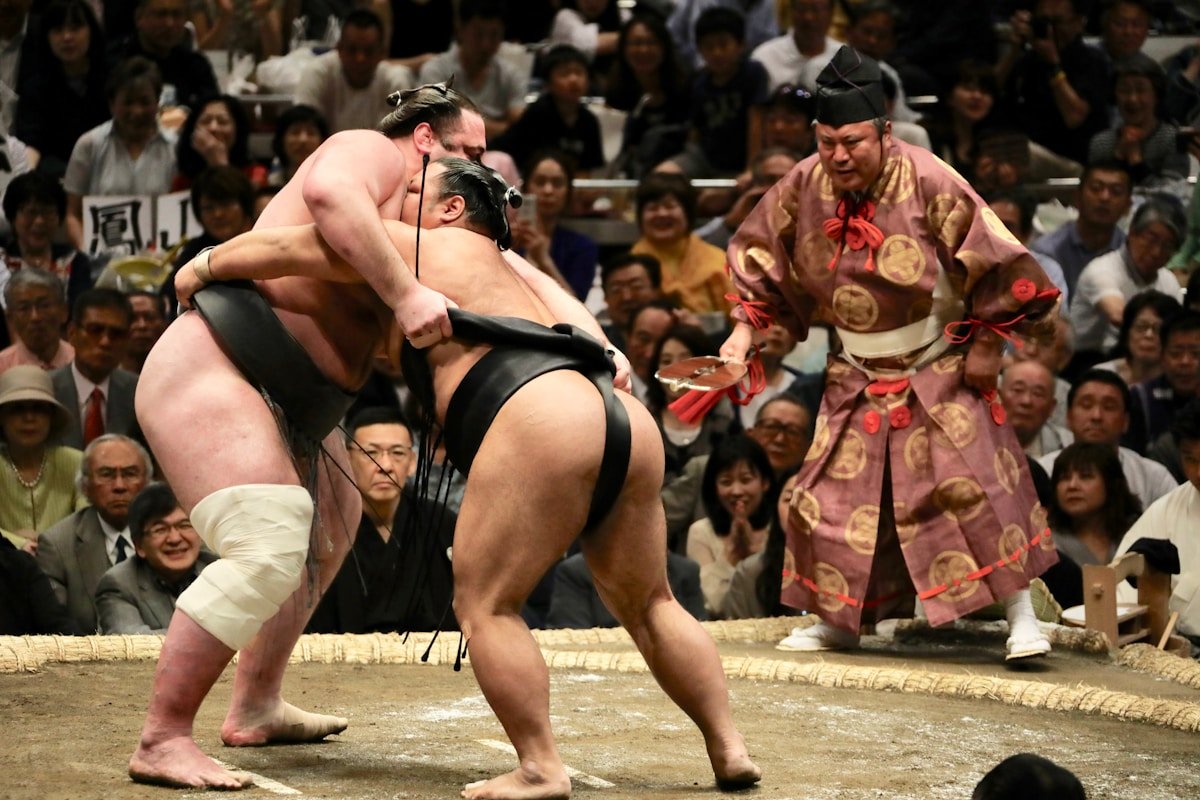
Sumo is one of Japan’s oldest and most formal sports, with a 1,500-year history rooted in Shinto ritual. Watching a tournament at the Ryogoku Kokugikan - the sport’s spiritual home in Tokyo - or attending a morning practice session at a sumo stable (heya) is one of the most memorable things you can do in the city. Neither experience requires any prior knowledge, and both are genuinely accessible to visitors with the right preparation.
Top Tours at a Glance
Here’s a quick comparison of top-rated sumo tours on GetYourGuide:
| Tour | Duration | Price (from) | Group Size | Highlights |
|---|---|---|---|---|
| Sumo morning practice viewing - Ryogoku | 3 hrs | from $60/person | Small group (max 12) | Stable visit, floor seating, English guide briefing |
| Sumo tournament ticket + Ryogoku walking tour | 5 hrs | from $110/person | Group | Tournament chair seat, guided Ryogoku walk, chanko lunch |
| Private sumo morning practice experience | 3 hrs | from $120/person | Private | Sole-use stable visit, photography permitted, flexible timing |
| Sumo morning practice + chanko nabe lunch | 4 hrs | from $85/person | Small group | Practice viewing, English commentary, chanko meal included |
Browse all sumo tours → GetYourGuide
Ryogoku: Tokyo’s Sumo Town
The Ryogoku neighbourhood in Sumida ward is the centre of sumo in Japan. More than 30 sumo stables operate within walking distance of Ryogoku Station on the JR Sobu Line (10 minutes from Akihabara, ¥170 / USD 1.15). On any given weekday morning, you’ll see wrestlers in cotton yukata walking to convenience stores or heading back from training - the neighbourhood has an unhurried, working-town feel that stands out from most of central Tokyo.
The anchor of the district is the Ryogoku Kokugikan arena, a 13,000-seat venue that hosts three of the six annual Grand Sumo Tournaments (honbasho). The Kokugikan opened in its current form in 1985 and is home to the sumo hall, a small rooftop stable, and the Sumo Museum at its entrance.
Grand Sumo Tournaments: What to Know
Six official Grand Sumo Tournaments take place each year:
| Month | Location |
|---|---|
| January | Tokyo (Ryogoku Kokugikan) |
| March | Osaka (Edion Arena Osaka) |
| May | Tokyo (Ryogoku Kokugikan) |
| July | Nagoya (Dolphins Arena) |
| September | Tokyo (Ryogoku Kokugikan) |
| November | Fukuoka (Fukuoka Convention Center) |
Each tournament runs for 15 days. Lower-division bouts begin around 8:00 am; the marquee upper-division (Makuuchi) bouts run from approximately 4:00 pm to 6:00 pm. Attending from mid-afternoon captures the highest-ranked wrestlers and the most ceremony-heavy bouts without needing a full day.
Ticket Prices (as of 2026)
Tickets are tiered by seat type and day. Early days in a tournament week tend to be quieter; Day 14 and 15 (the final weekend) are the most popular.
| Seat Type | Price Range (JPY) | Price Range (USD) |
|---|---|---|
| Arena floor (masu-seki, shared cushion boxes) | ¥8,500–¥11,700 | USD 56–77 |
| Chair seats (lower tier) | ¥3,800–¥6,900 | USD 25–46 |
| Chair seats (upper tier) | ¥2,100–¥3,500 | USD 14–23 |
Masu-seki floor boxes are the classic experience - four-person cushion sections close to the dohyo (clay ring) - but they sell out weeks in advance for the popular Tokyo tournaments. Book via the Japan Sumo Association official website (sumo.or.jp) as soon as they go on sale, typically six to eight weeks before each tournament. Same-day standing tickets (¥2,200 / USD 15) are sometimes available at the box office from 8:00 am on weekday mornings.
Several English-language tour operators sell packaged tournament experiences with guided commentary:
- Japan Wonder Travel sumo tournament package: approximately ¥18,000 (USD 120) including chair seat ticket and English guide briefing
- Viator Sumo Tournament Tour: approximately ¥16,500 (USD 110) with stadium entry and walking tour of Ryogoku beforehand
These are useful for first-timers who want context on the rankings, ceremonial dress, and scoring - the bouts themselves last only seconds, so understanding the pre-bout ritual is key to appreciating what you’re watching.
Morning Practice (Keiko) Viewing
This is the experience most visitors don’t know is possible. Every sumo stable holds morning training sessions (keiko) for its wrestlers, and a number of Tokyo stables accept small groups of outside observers - typically on weekdays, arriving between 6:00 am and 7:30 am and watching until practice ends around 9:00 am or 10:00 am.
Keiko is raw and close-range. You sit on floor cushions around the practice dohyo (which is smaller than the tournament ring), often just two or three metres from wrestlers running drills, slamming into each other, and going through repetitive stamping and throwing exercises. There’s no commentary, no warm-up act, and no performance element - it’s simply professional athletes at work.
Rules for Stable Visits
The etiquette is strict and non-negotiable:
- No food or drinks inside the stable
- Silence during practice - no talking, phone calls, or video recording in most stables
- Photography rules vary by stable; your guide will confirm on the day
- Guests typically sit in seiza (kneeling) or cross-legged on floor mats; low-backed chairs are sometimes available but not guaranteed
- Arrive on time; late arrivals are typically not admitted
Most stables that accept tourists require advance booking through an authorised tour operator rather than direct contact. This is partly practical (language) and partly because the stables have ongoing relationships with a small number of operators they trust.
Recommended Operators for Morning Practice
- Sumo Morning Practice Tour by Japan Wonder Travel: approximately ¥9,000 (USD 60) per person, group of 6–12, meets near Ryogoku Station. Includes English-language briefing on rankings and terminology before entering.
- Tokyo Sumo Morning Practice by Magical Trip: approximately ¥8,500 (USD 56), groups of up to 10. Same format - Ryogoku, morning slot, floor seating.
- Viator Sumo Stable Morning Visit: approximately ¥10,500 (USD 70), includes post-visit Ryogoku walking tour and chanko nabe lunch option.
Availability for morning practice tours depends entirely on the stable’s schedule and whether any wrestlers are injured or resting. During tournament weeks (15-day blocks six times per year), practice sessions run differently and some stables close to outside visitors - check with your operator before booking.
The Sumo Museum (Sumo Hakubutsukan)
Inside the Ryogoku Kokugikan at the main entrance, the Sumo Museum traces the sport’s history through woodblock prints, tournament records, and ceremonial objects. Entry is free, and the permanent collection rotates to display different historical items throughout the year.
During tournament periods, the museum is open to the public between 10:00 am and 4:30 pm (check sumo.or.jp for current hours). On non-tournament days, admission requires a ticket to the Kokugikan for another event - it’s worth pairing a tournament attendance with the museum visit before your seat time.
Key exhibits include prints of Edo-period yokozuna (grand champions), the hairstyling tools used by sumo hairdressers (tokoyama), and trophy replicas from the Emperor’s Cup. Labels are mostly in Japanese, but the visual material is accessible regardless of language.
Chanko Nabe: The Sumo Diet
After morning practice, eating chanko nabe is the obvious next move. This high-protein stew - typically chicken or seafood-based, with tofu, vegetables, and udon - is the staple meal that wrestlers eat in enormous quantities twice a day to maintain their weight.
Several chanko nabe restaurants in Ryogoku are owned and run by retired sumo wrestlers:
- Chanko Kirishima (near Ryogoku Station west exit): Run by former yokozuna Kirishima. Lunch set from approximately ¥1,800 (USD 12); dinner from approximately ¥3,500 (USD 23). No reservation required for lunch most weekdays.
- Chanko Tomoegata: One of the oldest chanko restaurants in the district, operating since the Meiji era. Lunch from approximately ¥1,500 (USD 10). Closes early on weekdays.
- Chanko Kawasaki: Known for a rich, soy-based broth. Dinner reservations recommended during tournament periods.
Chanko nabe is genuinely good - not just a gimmick - and the Ryogoku versions are more substantial and less tourist-packaged than the chanko restaurants near Shinjuku or Asakusa.
Planning Your Visit: Timing and Logistics
If there’s a Tokyo tournament running (January, May, or September): Buy tickets early, attend in the afternoon, and walk Ryogoku in the morning before the doors open. The neighbourhood is noticeably energetic during tournament weeks, with fan gatherings and media presence.
If no tournament is active: A morning practice tour is the headline experience. Pair it with the Sumo Museum, lunch at a chanko restaurant, and a walk through the neighbourhood to the Edo-Tokyo Museum (a five-minute walk from Ryogoku Station; note: undergoing renovation - check reopening date before visiting).
Getting there: JR Sobu Line (rapid or local) from Akihabara or Shinjuku to Ryogoku Station (approximately 10–15 minutes). The Oedo Subway Line also stops at Ryogoku. Taxis from Asakusa take about 10 minutes. Suica is accepted on all routes serving Ryogoku. For mobile data to navigate the neighbourhood and display e-ticket QR codes, a Japan eSIM is the straightforward option - activate before your flight.
What to Expect at a Sumo Tournament: Practical Notes
- Bouts above the lowest divisions include elaborate pre-bout rituals: salt throwing for purification, foot stamping (shiko), and extended staredowns. These rituals can take several minutes; the actual bout may last under five seconds.
- The gyoji (referee) wears formal court dress and uses a war fan. His call is occasionally overturned by the five judges (shimpan) positioned around the ring - this is rare and causes lively debate.
- Yusho (tournament victory) is decided by the wrestler with the most wins across 15 days. A perfect record (15–0) is rare and generates huge excitement; even a wrestler going 12–3 and winning at the final bout is dramatic enough to fill the arena.
- Food and drink are sold in the arena - bento boxes, beer, and snacks are all available. Floor box seats traditionally include a box-style bento delivery service.
A Brief Word on the Rankings
Understanding even the basics of sumo’s ranking system makes everything more interesting:
- Yokozuna (grand champion): The highest rank, rarely held by more than two or three wrestlers at once. Yokozuna cannot be demoted - a yokozuna who falls out of form is expected to retire.
- Ozeki: The second-highest rank, with a defined system for promotion and demotion.
- Makuuchi: The top 42 wrestlers in the sport, divided into the five key ranks above plus makuuchi-level wrestlers.
- Juryo, Makushita, Sandanme, Jonidan, Jonokuchi: Lower divisions, visible in morning bouts. These wrestlers are still extraordinary athletes but lack the experience and bulk of the top division.
A tournament program (available in English at the venue) lists all wrestlers, their ranks, and their home stables. Worth picking up on the way in.
Sumo is one of Japan’s genuinely unmissable experiences - whether you’re watching morning practice in near-silence or hearing the Kokugikan erupt when a yokozuna loses. Book early, bring curiosity, and stay for the final bouts.