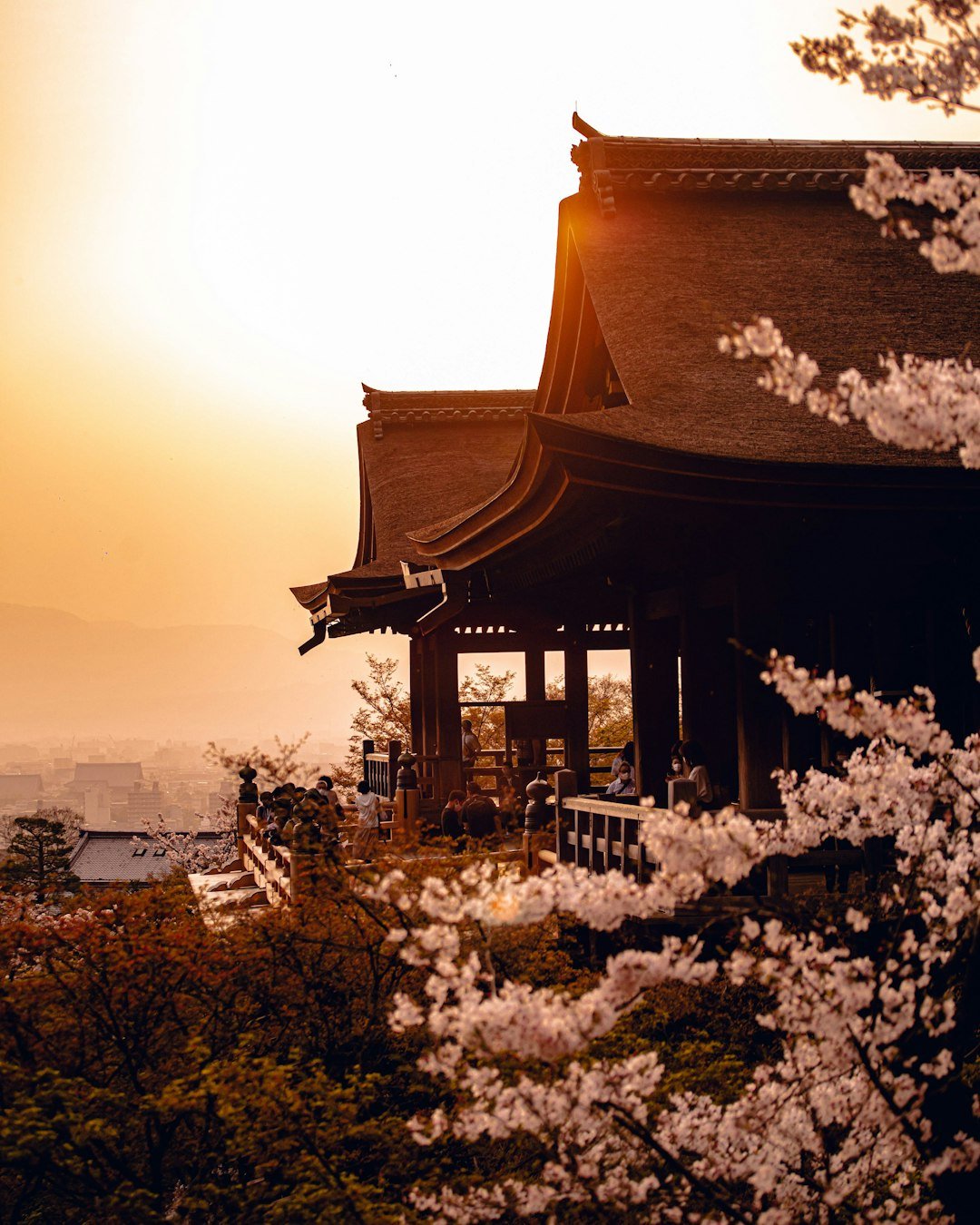
Kyoto’s connection to Japan’s samurai tradition runs deeper than most cities. As Japan’s imperial capital for more than a thousand years, Kyoto was the site of intense Edo-period samurai politics. The Gion district saw regular patrols from the Shinsengumi — the special police force formed in 1863 to protect the shogunate’s interests — a group that has become one of the most celebrated samurai organisations in Japanese popular culture. The neighbourhood where these patrols operated is now home to the city’s main samurai experience venues.
This historical depth gives Kyoto’s samurai experiences a different character from Tokyo’s. The city specialises in kembu — a performative sword art that evolved in Kyoto’s imperial court culture and has no close equivalent elsewhere in Japan — and the venues are positioned within districts that carry genuine historical weight rather than tourist infrastructure alone.
Top Tours at a Glance
Here’s a quick comparison of top-rated samurai and ninja experiences on GetYourGuide:
| Tour | Duration | Price (from) | Group Size | Highlights |
|---|---|---|---|---|
| Samurai kembu experience - Gion, Kyoto | 50 min | from $47/person | Small group (max 10) | Hakama dressing, sword and fan choreography, Gion location |
| Ninja experience with shuriken throwing - Kyoto | 45 min | from $35/person | Group | Shuriken and kunai throwing, ninja history, museum access |
| Samurai sword experience - bokken kata, Kyoto | 45 min | from $43/person | Small group | Hakama, guided sword kata, Kawaramachi venue |
| Private samurai and ninja combination session | 2 hrs | from $90/person | Private (up to 4) | Custom format, kembu and shuriken, sole-use booking |
Browse all Kyoto samurai and ninja experiences → GetYourGuide
Samurai Kembu Theater (Gion)
Kembu combines iaido sword technique with classical Japanese fan dance. It was practiced historically by samurai as a form of meditation and dramatic expression, and survived the Meiji restoration in performative rather than purely martial form. The Samurai Kembu Theater in Gion is the main dedicated venue for kembu participation sessions in Japan and the starting point for most visitors to the form.
Session options:
- Kembu basic experience (50 min): JPY 7,000 per person (approximately USD 47) — fan and sword choreography in hakama, led by a licensed kembu instructor
- Evening performance + participation (90 min): JPY 12,000 per person (approximately USD 80) — live kembu performance followed by guided participation in a short sequence
- Private session (2 hours): JPY 40,000 for up to 3 people (approximately USD 267)
The standard session begins with dressing in hakama and obi, followed by a brief explanation of kembu history and technique. Instruction focuses on a single short form combining sword and fan movements. The choreography is demanding enough to feel genuinely instructional but accessible enough that most participants complete a recognisable sequence within the session.
The evening performance-plus-participation format is the most memorable option if scheduling allows. Watching a licensed practitioner perform before attempting the same movements adds meaningful context, and the Gion location at dusk has a particular atmosphere.
Booking: Advance booking is recommended, especially for the evening performance format which runs on specific dates rather than daily. English-language sessions are available every day. Check the theater’s current schedule before booking the 90-minute format.
Getting there: 10 minutes on foot from Gion-Shijo Station (Keihan Line) or Kawaramachi Station (Hankyu Line). The venue is walking distance from Yasaka Shrine.
Best for: Adults and older teenagers seeking a cultural experience that connects sword technique with Kyoto’s specific performing arts tradition. The kembu format is less physically demanding than sword-combat sessions; it is suitable for most fitness levels.
Kyoto Samurai and Ninja Museum (Kawaramachi)
Located near the Teramachi shopping arcade in central Kyoto, this venue offers combined museum exhibition and hands-on experience sessions. The gallery covers Edo-period weapons, armour, and social history with English-language signage throughout.
Session options:
- Shuriken throwing (20 min): JPY 2,500 per person (approximately USD 17)
- Ninja infiltration experience (45 min): JPY 5,000 per person (approximately USD 33) — obstacle course elements, shuriken, and kunai throwing
- Samurai sword experience (45 min): JPY 6,500 per person (approximately USD 43) — hakama dressing, guided kata with bokken
- Museum-only entry: JPY 1,500 per person
Location: 5 minutes on foot from Kawaramachi Station (Hankyu Line). The Teramachi and Nishiki Market are immediately adjacent, making this convenient for combining with shopping or Nishiki’s food stalls. Hours: 10:30am to 9pm daily. Best for: Families, first-time visitors, and travellers who want to add a hands-on cultural session to a broader Kawaramachi afternoon. The 20-minute shuriken session is the lowest-commitment entry point and works well for visitors who are curious but not committed to a longer experience.
Additional Operators via GetYourGuide
Beyond the two permanent venues, GetYourGuide and Klook both list additional Kyoto samurai and ninja experiences run by smaller operators. These typically include private guided sword sessions, custom kembu workshops, and combination packages pairing a Gion night walking tour with a kembu or sword demonstration. Prices range from approximately JPY 4,000 to JPY 15,000 per person depending on session length and operator.
For private or custom formats, direct booking via venue websites usually offers the widest choice of session times and is the most reliable option outside of the two main permanent venues.
Samurai vs Maiko: Two Kyoto Cultural Experiences
Travellers spending several days in Kyoto often consider a samurai or kembu experience alongside a maiko (apprentice geisha) cultural session. Both draw on Kyoto’s identity as Japan’s cultural capital, and both are available in or near the Gion district.
The two experiences are structured very differently. A maiko session focuses on kimono dressing, hair styling, and professional photography in a studio or outdoor setting — it is visual and relatively passive. A samurai or kembu session is active, instructional, and physically engaged. They sit in different parts of a Kyoto itinerary rather than competing directly: maiko experiences work well mid-afternoon before Gion’s evening atmosphere develops; kembu sessions work well in the early evening when the theater operates its performance format.
Seasonal Considerations
Kyoto’s two main tourist peaks — cherry blossom season (late March to early April) and autumn foliage (mid-November) — bring the highest demand for all cultural experiences. During these windows, book samurai and kembu sessions at least 2 to 3 weeks in advance. Private sessions at the Kembu Theater fill quickly, and the evening performance format can book out more than a month ahead during peak autumn foliage weekends.
The quieter months — June to early August (outside of Obon week in mid-August) and January to February — offer easier booking, smaller session groups, and lower accommodation costs. Autumn foliage season is worth timing your visit around if you want to combine a kembu session in Gion with an evening walk through Higashiyama’s maple-lined stone lanes.
What to Wear and Bring
Costume is included at both venues above. Wear comfortable, form-fitting clothing underneath — both hakama and shinobi-shozoku are fitted over your regular clothes, and bulky winter layers will make dressing more difficult. Thin base layers work well in winter; the dojo spaces are heated.
Bring cash (some venues do not accept foreign cards), a compact bag, and allow travel time between session venues and nearby attractions. Gion and Kawaramachi are both walkable from most central Kyoto accommodation.
IC cards (Suica, ICOCA) are accepted on Kyoto subway and city buses. For mobile data to navigate between the Gion dojo and Kawaramachi museum and pull up booking confirmations, a Japan eSIM is useful - activate before your flight.
For Tokyo-based samurai and ninja experiences, including Asakusa dojo sessions and Shinjuku museum classes, see our Tokyo samurai and ninja guide.