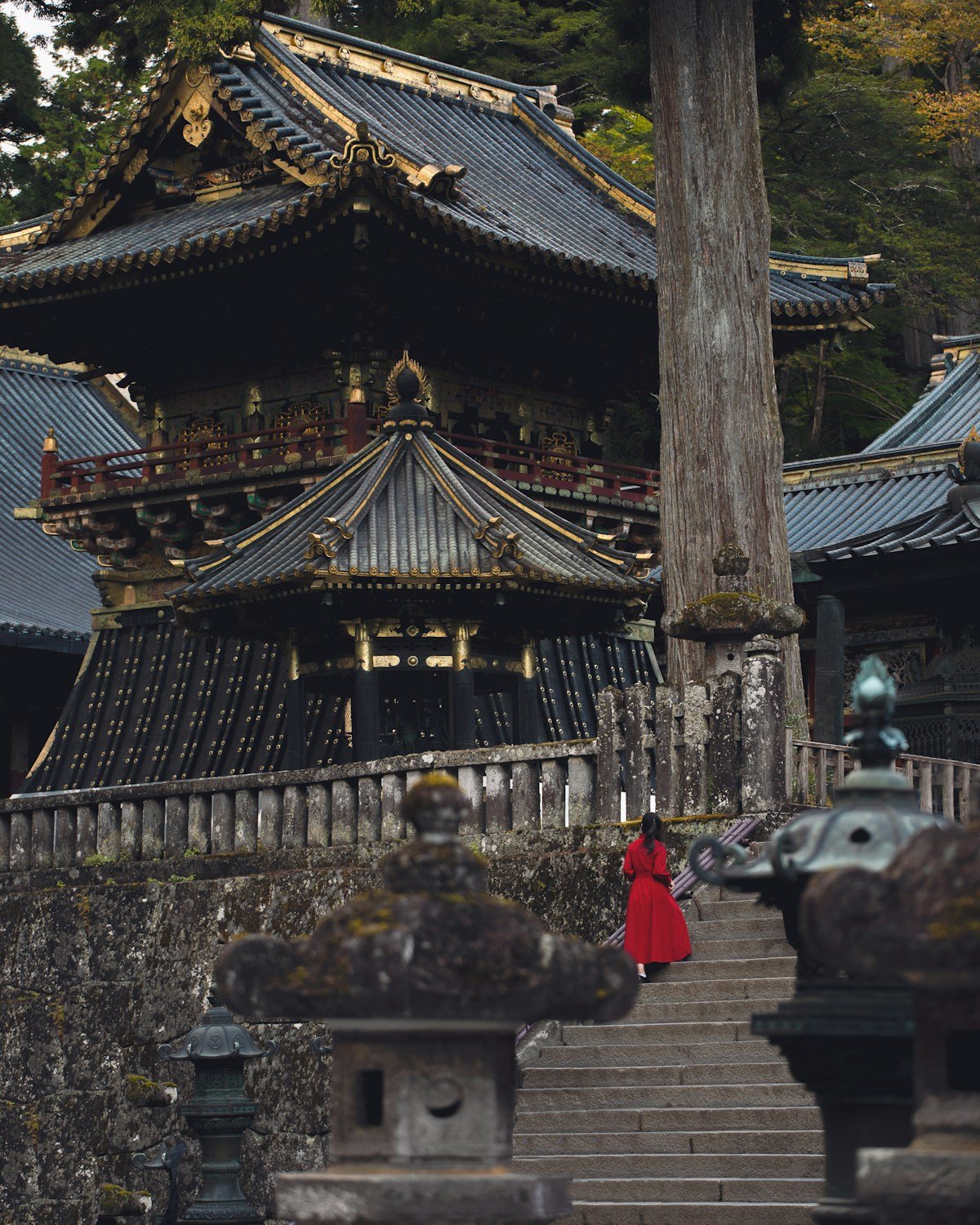
Nikko sits 140 kilometres north of Tokyo in Tochigi Prefecture, in a mountainous valley where the Daiya River cuts through ancient cedar forest. The town is dominated by the Nikko Tosho-gu - the mausoleum of Tokugawa Ieyasu, the shogun who unified Japan in 1603 - and the broader Nikko World Heritage complex of shrines, temples, and bridges. It is one of the most ornate and historically significant site clusters in Japan, achievable as a long day trip from Tokyo.
Top Tours at a Glance
Here’s a quick comparison of top-rated Nikko day trip tours on GetYourGuide:
| Tour | Duration | Price (from) | Group Size | Highlights |
|---|---|---|---|---|
| Guided day trip to Nikko World Heritage Sites | 10 hrs | from $80 | Up to 40 | Bus from Tokyo, Toshogu entry, English guide |
| Nikko small-group tour with English guide | 9–10 hrs | from $120 | Up to 15 | Cultural commentary, Sleeping Cat, tomb path |
| Private Nikko full-day tour from Tokyo | 10–12 hrs | from $200 | Up to 4 | Custom pacing, Chuzenji Lake, Kegon Falls |
Browse Nikko day trips → GetYourGuide
Getting to Nikko from Tokyo
Option 1: Tobu Nikko Line (recommended for non-JR Pass holders)
Depart from Asakusa Station (not JR) on the Tobu Skytree Line, transferring to the Tobu Nikko Line. The Spacia limited express or Revaty limited express runs directly to Tobu-Nikko Station.
- Journey time: 1 hour 50 minutes
- Cost: ¥2,720 one way (reserved seating, express surcharge included)
- Note: NOT covered by JR Pass. Tobu Nikko Station is a 15-minute walk from the main shrine complex or accessible by bus (¥210).
A Tobu Nikko Pass (¥4,780 from Asakusa) covers return rail to Nikko plus unlimited local buses in the Nikko area for 2 days - good value if visiting Chuzenji Lake or Kegon Falls on the same trip.
Option 2: Shinkansen + JR Nikko Line (for JR Pass holders)
- Tokyo or Ueno Station → Utsunomiya: Tohoku Shinkansen, 50 minutes, ¥2,810 one way (JR Pass covers this)
- Utsunomiya → Nikko: JR Nikko Line, 45 minutes, ¥760 one way (JR Pass covers this)
- Total journey time: Approximately 1 hour 40 to 55 minutes depending on Shinkansen connection
JR Nikko Station is a 2-kilometre walk (25 minutes) or short bus ride (¥210) to the Shinkyo Bridge and shrine complex.
Departure Timing
Aim to leave Tokyo by 7:30–8:00am to reach Nikko by 10am. The main shrine complex requires 2.5 to 3 hours; Chuzenji Lake and Kegon Falls add another 1.5 hours by bus. Last buses from the lake area to Nikko Station run around 6pm.
What to See in Nikko
Tosho-gu Shrine
The centrepiece of Nikko. Built in 1617 and dramatically expanded by Tokugawa Iemitsu in 1636, Tosho-gu is the mausoleum of Ieyasu Tokugawa. The approach passes five-storey pagodas, sacred storehouses, and the Yomeimon Gate - a two-storey white lacquer gate covered in more than 500 carved figures, considered one of the most elaborately decorated structures in Japan.
Entry: ¥2,100 combined World Heritage pass (includes Toshogu main hall, Rinno-ji, Futarasan Shrine). Additional ¥600 for the Sleeping Cat (Nemuri-neko) gate and the path up 200 steps to Ieyasu’s tomb mausoleum.
Opening hours: 8:00am to 5:00pm (April to October), 8:00am to 4:00pm (November to March). Last entry 30 minutes before close.
Rinno-ji Temple
A Tendai Buddhist temple complex at the foot of the shrine area, founded in 766 AD and later incorporated into the broader Tokugawa complex. The Sanbutsudo (Three Buddha Hall) houses three large gold-lacquered Buddhist statues.
Entry: ¥400 for Sanbutsudo (additional to World Heritage pass).
Futarasan Jinja
A Shinto shrine predating Toshogu by more than 800 years, dedicated to the three sacred mountains of Nikko - Nantaisan, Nyoho-san, and Taro-san. Quieter than Toshogu and worth 30 minutes.
Entry: Included in World Heritage pass.
Shinkyo Bridge
The red lacquered sacred bridge at the entrance to the shrine area, considered one of Japan’s three finest bridges. Pedestrian entry costs ¥300 to cross (otherwise viewable for free from the road bridge 20 metres upstream).
Kegon Falls and Chuzenji Lake
15 kilometres uphill from central Nikko by bus (route 2, ¥1,100 one way, 45 minutes via a switchback mountain road). Kegon Falls drops 97 metres into a gorge; an elevator (¥600) descends to a viewing platform at the base. Chuzenji Lake is Japan’s highest lake at 1,269 metres and has good seasonal foliage in October.
Guided Tours from Tokyo
Group Day Tours (Budget-Friendly)
Organised group tours depart from Shinjuku or Tokyo Station daily and return by evening. Typical format: coach transport, Japanese-speaking driver, English audio guide or bilingual guide, included entry to Toshogu.
- Viator / GetYourGuide-listed group tours: approximately ¥12,000 to ¥18,000 per person (USD 80 to 120), including transport and Toshogu entry
- Group sizes range from 10 to 40 people
- Duration: 9 to 10 hours including travel
Small-Group Tours
Small-group guided tours (max 8 to 15 people) with English-speaking guides provide deeper cultural commentary at Toshogu, explain the iconography of the carvings, and often include the Sleeping Cat and tomb path in the itinerary.
- Approximate cost: ¥20,000 to ¥30,000 per person (USD 133 to 200)
- Operators include Magical Trip and Japan Journeys (find current listings via GetYourGuide)
Private Tours
Private Nikko day tours from Tokyo (guide + vehicle, up to 4 passengers) typically run ¥60,000 to ¥90,000 for the group, and allow flexible pacing including Chuzenji Lake and the waterfall.
Self-Guided Route Suggestion
Recommended 6-hour self-guided itinerary (arriving at Nikko by 10am):
- Walk from station to Shinkyo Bridge - optional ¥300 crossing (15 min)
- Rinno-ji Sanbutsudo - 30 minutes, ¥400
- Tosho-gu main complex - 90 minutes, ¥2,100 combined pass; add ¥600 for tomb path
- Futarasan Jinja - 30 minutes (covered in pass)
- Lunch at one of the restaurants on the main approach road (yuba - tofu skin - is the local speciality)
- Optional bus to Kegon Falls - 45 minutes each way, ¥2,200 return bus + ¥600 elevator
Practical Notes
Crowds: Nikko is busiest on weekends and during autumn foliage (late October to mid-November), when the maple and cedar forest turns red and orange. Arrive before 10am to beat group tour buses. Weekday mornings are noticeably quieter.
Weather: Nikko sits at altitude - average temperatures run 4 to 5°C cooler than Tokyo. In autumn, bring a layer; in winter (December to February), expect snow at the shrine level and road closures to Chuzenji Lake.
Luggage storage: Coin lockers at Tobu-Nikko Station (¥300–500). Arrive light - the walk from the station to Toshogu is uphill and roughly 25 minutes on foot.
IC Cards: Suica accepted on JR and local Nikko buses. Tobu train fare requires separate purchase or Tobu Pass. For reliable navigation between Toshogu and the lakeside at Chuzenji, a Japan eSIM keeps maps running throughout the day - activate before your flight.
For guided tours with confirmed availability in the next 24–48 hours, check our last-minute tours page - Nikko day trips often have spots even on short notice.