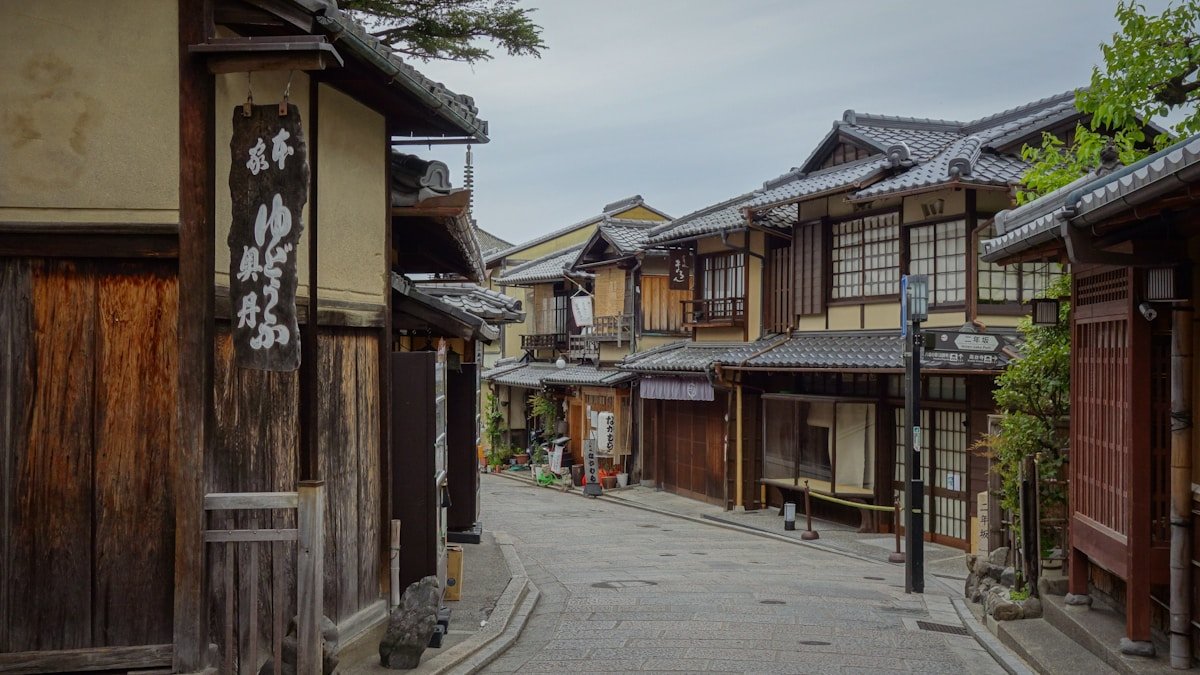
Few neighbourhoods in Japan carry the weight of Gion. Tucked between the Kamogawa River and the wooded slopes of Higashiyama, this is the district where Kyoto’s geiko (the local word for geisha) and maiko (their apprentices) have trained and performed for centuries. Walking its stone-paved lanes - past lacquered machiya townhouses and the glow of paper lanterns - feels unlike anywhere else in the country. A guided tour unlocks context you can’t get from a sign: which teahouses accept private guests, what the different kimono patterns signal, how the apprenticeship system works, and crucially, where and when you’re most likely to witness a geiko heading to an engagement.
Top Tours at a Glance
Here’s a quick comparison of top-rated Gion tours on GetYourGuide:
| Tour | Duration | Price (from) | Group Size | Highlights |
|---|---|---|---|---|
| Gion hidden gems & geisha culture walk | 2 hrs | from $25 | Up to 12 | Hanamikoji, Shimbashi canal, maiko spotting strategy |
| Gion tea ceremony & wabi-sabi walking tour | 2.5 hrs | from $48 | Up to 8 | Matcha ceremony + Gion evening walk combined |
| Gion evening walk — maiko sighting focus | 2–3 hrs | from $50 | Up to 10 | 5:45–7:00 pm timing, Hanamikoji positioning, cultural context |
| Ozashiki maiko dining experience | 3 hrs | from $145 | Up to 8 | Kaiseki dinner, maiko performance and Q&A |
Browse Kyoto Gion tours → GetYourGuide
What Is a Gion Geisha Tour?
A Gion walking tour is a small-group guided walk through Gion’s two main sub-districts - Gion Kōbu (the more formal, eastern half) and Gion Higashi - with stops at key landmarks, explanations of geiko culture, and time built in at spots where sightings are statistically more common. Tours typically last two to three hours and cover two to three kilometres on foot.
Most operators cap groups at eight to twelve guests to keep the experience intimate and minimise street congestion - both for the practicalities of narrow alleys and out of respect for the working neighbourhood. Guides are a mix of English-speaking Kyoto locals, art historians, and cultural educators who specialise in the city’s traditional performing arts.
The Main Streets: Hanamikoji and Beyond
Hanamikoji Street is the spine of Gion. Running north–south through Gion Kōbu, this roughly 600-metre stretch is lined with some of Kyoto’s most recognisable teahouses (ochaya), their dark-timber facades and small stone lanterns barely changed since the Meiji era. The southern half - south of Shijo-dori - is where ochaya cluster most densely and where guided groups spend the most time in the early evening.
Shimbashi-dori, branching off to the north, is often called the most beautiful street in Kyoto. Weeping willows hang over the Shirakawa Canal, and the preserved machiya here are among the oldest in the district. This is photogenic at any hour but especially striking at dusk when lanterns light up and the canal reflects the sky.
Ishibei-koji Lane is a private-feel alleyway south of Yasaka Shrine, often overlooked by independent visitors. Bordered by traditional inns (ryokan) and tea-ceremony rooms, it sees fewer crowds and occasional geiko passing through before engagements at the establishments nearby.
Morning vs. Evening: Which Is Better?
This is the single most common question for first-timers.
Evening tours (5:30 pm – 8:00 pm) are the best time for geiko sightings. Engagements at ochaya typically begin between 6:00 pm and 7:00 pm, which means geiko and maiko are on the move during this window - stepping out of okiya (lodging houses), crossing Hanamikoji, or slipping into teahouses via side entrances. Tours run by Kyoto Insider Sake Experience (from approximately ¥7,500 / USD 50 per person) and Viator’s Gion Evening Walking Tour (from approximately ¥8,000 / USD 53) both time their routes specifically around this movement window.
Morning tours (8:00 am – 10:30 am) offer a very different experience. The streets are near-empty, temple approaches are peaceful, and the light on Shimbashi-dori before 9:00 am is extraordinary for photographs. Sighting probability is lower - maiko sometimes walk to practice sessions early in the day, but there are no guarantees. Viator’s Gion Morning Walk (from approximately ¥5,500 / USD 37) is a good option for travellers who want the quiet lanes without the evening crowds.
For the highest chance of seeing geiko or maiko, choose evening. For atmosphere, photography, and tranquillity, choose morning.
Spotting Geiko and Maiko: What to Know
Kyoto’s geiko work in a structured and demanding profession. The city has around 200 geiko and maiko remaining - a fraction of the thousands who worked in the prewar era - and many are protective of their commute. The Gion district has posted signs in several languages asking visitors not to block paths, photograph without permission, or touch performers.
A few practical points your guide will cover:
- Geiko vs. maiko: Maiko are apprentices, typically aged 15–20, identifiable by their elaborate white face make-up, long dangling kanzashi (hair ornaments), and trailing obi sashes. Geiko are fully fledged professionals who wear slightly less ornate make-up and a more subdued obi.
- Where they emerge: Most okiya (lodging houses) are concentrated in the blocks between Hanamikoji and Hanami-koji’s parallel lane to the east. Sightings happen near doorways, not mid-street - guides know which doorways to linger near.
- Timing: The window from 5:45 pm to 6:30 pm sees the most movement on a typical evening. During Gion Matsuri (July) and cherry blossom season (late March to early April), both geiko and tourist density increase sharply.
- Photography: Always ask, and always accept no gracefully. Guides will advise in the moment.
Teahouse Culture: Can You Get Inside?
Kyoto’s ochaya operate by strict introduction-only admission. A guest needs to be vouched for by an existing patron - often someone who has spent years building a relationship with the establishment. Walk-in access is not possible at any of the approximately 80 active teahouses in Gion Kōbu.
However, several operators have developed staged teahouse experiences in ryokan or registered cultural venues that use the same format: private rooms, seasonal kaiseki snacks, green tea or sake service, and a performance by maiko or geiko. These are not the same as a traditional ochaya engagement but offer genuine cultural content in an accessible setting.
- Gion Hatanaka (a high-end ryokan on Hanamikoji): Offers dinner experiences with maiko attendance for guests staying at the inn. Rates from approximately ¥45,000 per person (USD 300) including kaiseki.
- Gion Nishiki (Gion Hatanaka affiliate): Monthly evening events open to non-guests. Check availability directly with the inn; booking typically opens six to eight weeks in advance.
- Ozashiki experiences via tour operators: Magical Trip (from approximately ¥22,000 / USD 145) and Arigato Japan (from approximately ¥25,000 / USD 165) both run small-group ozashiki dining experiences where a maiko performs and guests can ask questions through an interpreter.
These are genuinely memorable evenings - more structured than an impromptu sighting on Hanamikoji, but with more substance.
Self-Guided vs. Guided Walk
You can absolutely walk Gion without a guide. The district is compact, the main streets are well signed, and Shimbashi-dori is impossible to miss. But guided tours add three things self-guided walks typically miss:
- Timing intelligence - knowing exactly which streets to position on, and when, to maximise sighting probability without loitering rudely
- Context for what you see - the difference between an okiya and an ochaya, what the different noren (fabric dividers) signal, and how the ranks of the karyukai (flower-and-willow world) actually function
- Off-path stops - guides routinely include alleys and temple gardens that aren’t on the standard tourist circuit, including parts of Gion rarely covered in guidebooks
For solo travellers or couples who want an efficient two-hour window, a guided tour is well worth the price relative to wandering alone.
Recommended Operators
| Operator | Format | Price (approx.) | Best For |
|---|---|---|---|
| Kyoto Insider Sake Experience | Evening walk, up to 8 pax | ¥7,500 (USD 50) | Cultural depth + evening timing |
| Magical Trip Gion Night Walk | Evening walk, up to 10 pax | ¥7,800 (USD 52) | English-speaking local guides |
| Viator Gion Morning Walk | Morning walk | ¥5,500 (USD 37) | Photography, quiet streets |
| Arigato Japan Gion Tour | Walking tour + sake tasting | ¥9,000 (USD 60) | Combined food/culture experience |
Prices are approximate as of 2026 and subject to change. Book at least three to five days in advance in peak season (March–May, October–November).
Getting to Gion
From Kyoto Station, take the Karasuma Subway Line to Karasuma-Oike, transfer to the Tōzai Line, and exit at Sanjo or Keage (approximately 15 minutes, ¥260 / USD 1.75). From central Kyoto (Kawaramachi or Shijo area), Gion is a flat ten-minute walk east across the Kamogawa.
Taxis are available throughout the day; the Shijo-Kawaramachi intersection is the closest major taxi stand. Expect ¥700–¥900 (USD 5–6) from Kawaramachi.
Practical Details
- Best season: October–November for foliage; March–April for cherry blossom. Both coincide with the busiest geiko engagement calendars. Avoid Golden Week (late April to early May) for the crowds.
- Gion Matsuri: Held throughout July, with the main float processions on 17 and 24 July. Geiko participate in some ceremonies, and the neighbourhood is at its most festive - though extremely crowded.
- Dress code: None for the streets. Smart casual is appropriate if joining any ozashiki or teahouse experience.
- Accessibility: Hanamikoji and Shimbashi-dori are flat and paved. Ishibei-koji has some slight stone-path unevenness. Most operators accommodate wheelchairs on request.
What to Do After the Tour
Yasaka Shrine, at the eastern end of Shijo-dori, is open 24 hours and beautifully lit in the evening - a natural endpoint for any night tour. Maruyama Park behind the shrine has a famous weeping cherry tree (spectacular in late March) and a string of outdoor stalls during festival periods.
For dinner nearby, the lanes between Gion and Higashiyama have excellent options at every price point: Gion Karyo for kaiseki at approximately ¥15,000 (USD 100) per person, the Nishiki Market sidestreets for street-food skewers from ¥300 per piece, or Gion Finlandia Bar for post-tour drinks with a Kyoto crowd.
Gion rewards those who slow down. Whether you book a tour or walk independently, give it at least two hours and come back in the evening if you visit in the morning. The neighbourhood changes completely after dark.