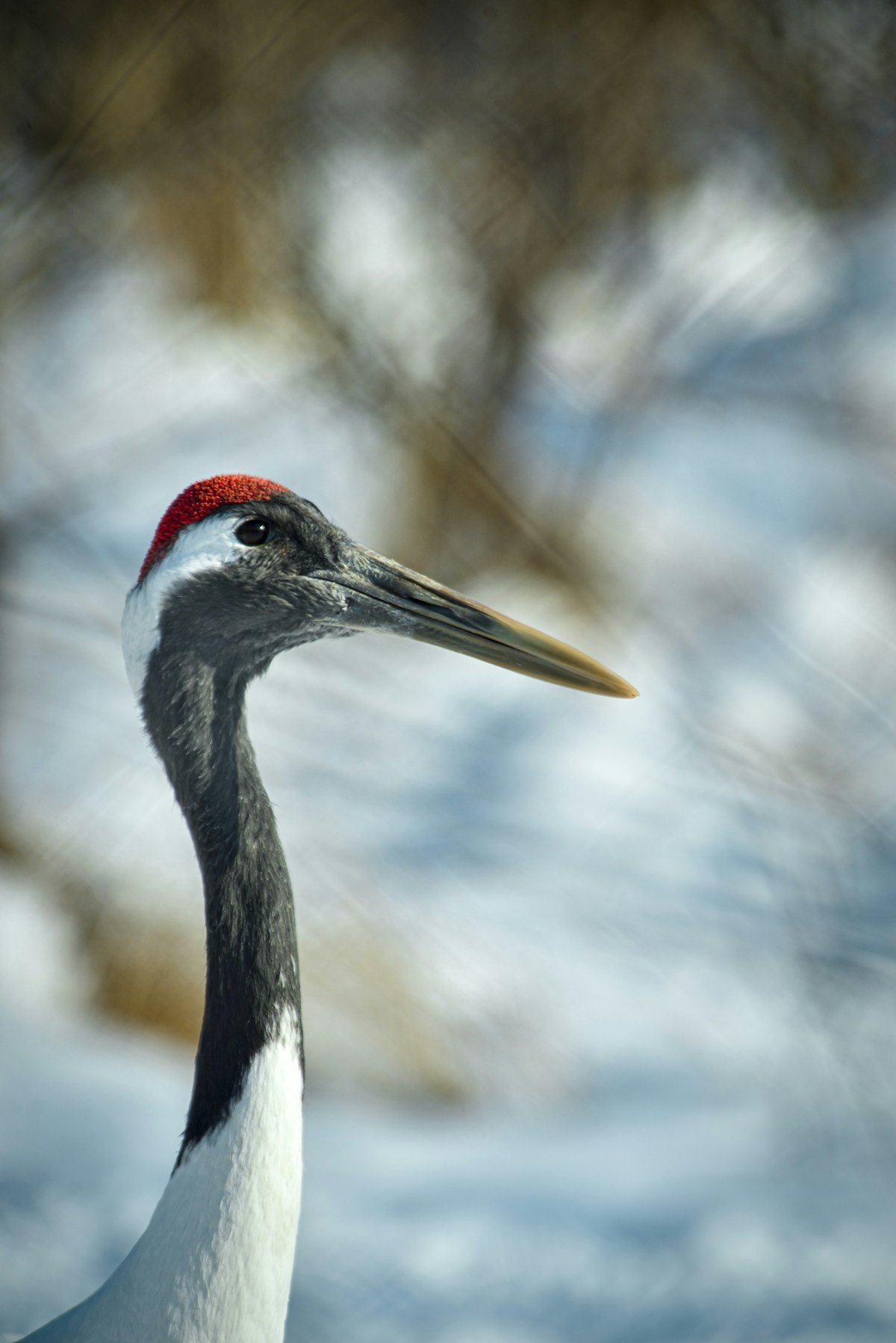
Hokkaido is Japan’s wild north - a prefecture where the seasons push hard in both directions and the wildlife responds in kind. In late autumn, red-crowned cranes gather in numbers that would have seemed impossible a generation ago. In January and February, drift ice sheets lock the Sea of Okhotsk and you can walk on them at the edge of the world. From spring through autumn, the Shiretoko Peninsula - a UNESCO World Heritage Site - runs some of the most rewarding wildlife boat trips in East Asia.
These are three very different experiences, but they share a common quality: genuine wildness. You are not watching animals perform in an enclosure. You are in their habitat, on their schedule.
Top Tours at a Glance
Here’s a quick comparison of top-rated Hokkaido nature tours on GetYourGuide:
| Tour | Duration | Price (from) | Highlights |
|---|---|---|---|
| Hokkaido: Lake Toya, Farm & Showa-shinzan Day Tour | Full day | from ¥6,900 | Volcanic landscapes, Hokkaido farm visit, from Sapporo |
| Biei & Furano Summer Flower Fields Day Trip from Sapporo | Full day | from ¥9,300 | Lavender fields, blue pond, flower farm, English guide |
| Hokkaido Farm Tomita and Furano Viewing Tour | Full day | from ¥6,900 | Farm Tomita lavender, Ningle Terrace, small group |
| Shiretoko: Whales, Wildlife & Landscapes 3-Day Tour | 3 days | from ¥151,950 | Brown bears, whale watching, Shiretoko Peninsula, full guide |
Browse all Hokkaido nature and wildlife tours → GetYourGuide
Kushiro Wetlands: Red-Crowned Crane Watching (October–March)
The red-crowned crane (grus japonensis) was nearly extinct in the 20th century. By the 1950s, the Japanese population had dropped to around 30 birds. Sustained protection and supplementary feeding programmes have brought the count to more than 1,700. The Kushiro Wetlands - Japan’s largest wetland at 183 km² - is their stronghold.
Best months: October through March, peak December–February. Winter brings snow and low light that makes crane photography extraordinary; birds cluster at feeding stations and perform elaborate courtship dances that can last 20–30 minutes.
Named Operators and Prices
Kushiro Nature Guide Office
- Morning crane watching tour (3 hours): approximately ¥6,000–¥8,000 per person (around USD 40–53)
- Full-day wetlands tour including canoe: approximately ¥18,000–¥22,000 per person (around USD 120–147)
- Small groups of 4–8; bilingual guides available (book in advance)
- Departs from Kushiro city centre
Tsurui-Ito Tancho Sanctuary (run by the Japan Wild Bird Society)
- Free public viewing area; best crane density from November–March
- Located near Tsurui village, approximately 40 minutes by car from Kushiro
- The sanctuary concentrates birds with supplementary feed from November to March
Akan International Crane Centre (Tancho no Sato)
- Entry fee: approximately ¥470 (around USD 3) for adults
- Educational displays plus outdoor viewing paddocks with resident cranes
- Located in Tsurui village alongside the wild-bird sanctuary
Getting to Kushiro from Sapporo/Chitose
- Fly: New Chitose Airport to Kushiro Airport - around 50 minutes, from approximately ¥8,000–¥15,000 (USD 53–100) depending on how early you book
- Train: Sapporo to Kushiro via JR Limited Express Ozora - approximately 3.5–4 hours, from ¥8,250 (USD 55) unreserved; JR Pass covers this route
- Drive: New Chitose to Kushiro via the expressway - approximately 3 hours; car rental is useful for accessing wetland viewpoints independently
Abashiri Drift Ice Walk (January–March)
Each winter, drift ice from the Sea of Okhotsk - the southernmost drift ice in the Northern Hemisphere - reaches the coast near Abashiri on Hokkaido’s northeast shore. The ice sheets can be 50–70 cm thick and are used as floating platforms by Steller’s sea eagles, white-tailed eagles, and seals. Guided drift ice walks put you on the ice with a drysuit and an instructor.
Best months: Late January through mid-March. Peak season is typically late January to mid-February when ice coverage is densest.
Named Operators and Prices
Arctic Experience Abashiri (AEA)
- 2-hour drift ice walk: approximately ¥7,700–¥9,900 per person (around USD 51–66) including drysuit rental
- Booking essential; groups capped at around 12 participants
- Meeting point in Abashiri city
Garinko Station Drift Ice Tour
- Boat-based option (the Garinko III icebreaker): approximately ¥4,000–¥6,000 per person (around USD 27–40)
- 1-hour cruise breaking through sea ice; views of eagles from the deck
- No drysuit required; suitable for families
- Departs from Monbetsu Port (approximately 80 minutes west of Abashiri)
Getting to Abashiri from Sapporo/Chitose
- Fly: New Chitose to Memanbetsu Airport (nearest to Abashiri) - approximately 55 minutes, from around ¥9,000–¥18,000 (USD 60–120); airport buses connect to Abashiri in about 30 minutes
- Train: Sapporo to Abashiri via JR Limited Express Okhotsk - approximately 5–5.5 hours; JR Pass covers this route
- Train tip: Book seats well in advance during January–February; the Okhotsk service is popular and fills fast during drift ice season
Shiretoko Peninsula Wildlife Boat Trips (April–October)
The Shiretoko Peninsula juts into the Sea of Okhotsk and is as close to untouched wilderness as Japan gets. The peninsula has no road access to its northern tip, and is home to the world’s highest density of brown bears (Ussuri brown bears, the same subspecies as the Siberian brown bear), as well as Steller’s sea lions, sperm whales, orca, and hundreds of species of seabirds.
Wildlife boat trips run along the coastline, passing waterfalls that drop directly into the sea, sea cliffs covered in nesting birds, and - from spring to early summer - brown bears foraging on the shoreline.
Best months: April to late October (the peninsula is effectively closed to visitors from November to April). Brown bear sightings on shore are most reliable May–July; whale-watching peaks July–August.
Named Operators and Prices
Shiretoko Nature Cruise
- Full Shiretoko cruise (Utoro → Cape Shiretoko → Utoro, approximately 2.5–3 hours): approximately ¥7,000–¥9,000 per person (around USD 47–60)
- Short cruise (Utoro to the five lakes area, approximately 1 hour): approximately ¥3,000–¥4,500 (around USD 20–30)
- Whale watching option (summer): prices similar to full cruise
Shiretoko Shari Bus “Fox” Cruise
- Nature boat tour departing from Utoro: approximately ¥6,000–¥8,000 (around USD 40–53)
- English-speaking guides can be requested in advance
What you’re likely to see:
- Brown bears on the shoreline (April–July: highest probability)
- Steller’s sea eagles and white-tailed eagles (year-round)
- Steller’s sea lions on rock outcrops (spring–autumn)
- Sperm whales and orca (July–August; not guaranteed)
- Blakiston’s fish owl (rare; one of the largest owls in the world)
Getting to Shiretoko (Utoro) from Sapporo/Chitose
- Fly + bus: New Chitose to Memanbetsu Airport (55 minutes), then bus or taxi to Utoro (approximately 90 minutes by express bus from Abashiri)
- Drive: New Chitose to Utoro via Abashiri - approximately 5–5.5 hours; recommended if combining Abashiri drift ice + Shiretoko in one trip
- JR Pass note: JR Pass covers the train as far as Shiretoko-Shari (the Kaiyudai network terminus), from where local buses connect to Utoro (approximately 50 minutes, not covered by JR Pass)
Combining All Three: A Hokkaido Wildlife Itinerary
The three experiences fall in different seasons, but they are geographically close enough to combine in a longer Hokkaido trip. In winter (January–February), link Kushiro cranes and Abashiri drift ice in a 4–5 day northeast Hokkaido road trip. In summer (May–October), Shiretoko and Kushiro pair naturally (Kushiro still has cranes through spring).
A rough budget for a 4-day Hokkaido wildlife focus: accommodation in the northeast ¥7,000–¥15,000 per person per night (USD 47–100), tour activities ¥20,000–¥35,000 total (USD 133–233), flights from Chitose ¥10,000–¥20,000 (USD 67–133). Total indicative cost approximately ¥60,000–¥100,000 per person for 4 days excluding intercity transport (as of 2026; prices vary by season and booking lead time).
Frequently Asked Questions
Do I need to speak Japanese to book Hokkaido wildlife tours? The larger operators (Shiretoko Nature Cruise, Arctic Experience Abashiri) have English-language booking pages or phone staff. For smaller local guides in Kushiro, email enquiries in English are generally answered. Book at least 2–4 weeks in advance for winter tours.
Is Hokkaido wildlife touring suitable for children? The Garinko icebreaker cruise is family-friendly from around age 5. Drift ice walks require participants to enter cold water briefly and suit up in a drysuit - most operators set a minimum age of around 10–12. Crane watching is gentle and suitable for all ages. Shiretoko boat trips are suitable from around age 7–8.
Do I need a JR Pass for Hokkaido? A Hokkaido Rail Pass (separate from the all-Japan JR Pass) covers most major routes between Sapporo, Kushiro, Abashiri, and Shiretoko-Shari. It is available for 3, 5, or 7 days from approximately ¥9,000–¥22,000 (USD 60–147) depending on duration. Check current prices via the JR Hokkaido official website (jrhokkaido.co.jp) as of your travel date.
Can I see the Shiretoko brown bears on land? Land access to bear territories is restricted for safety and conservation reasons. Boat tours provide the best and safest viewing. There are also bear-viewing platforms at Iwaobetsu onsen area (accessible on foot via marked trails) - contact the Shiretoko World Heritage Conservation Office for current trail access conditions.
What should I wear for the drift ice walk? The operator provides a drysuit over your own clothing. Wear thermal base layers, moisture-wicking mid-layers, and woollen socks. The air temperature in Abashiri in January averages around −7°C (19°F), so dress for that before you put the suit on. Waterproof gloves and a hat are essential outside the suit.