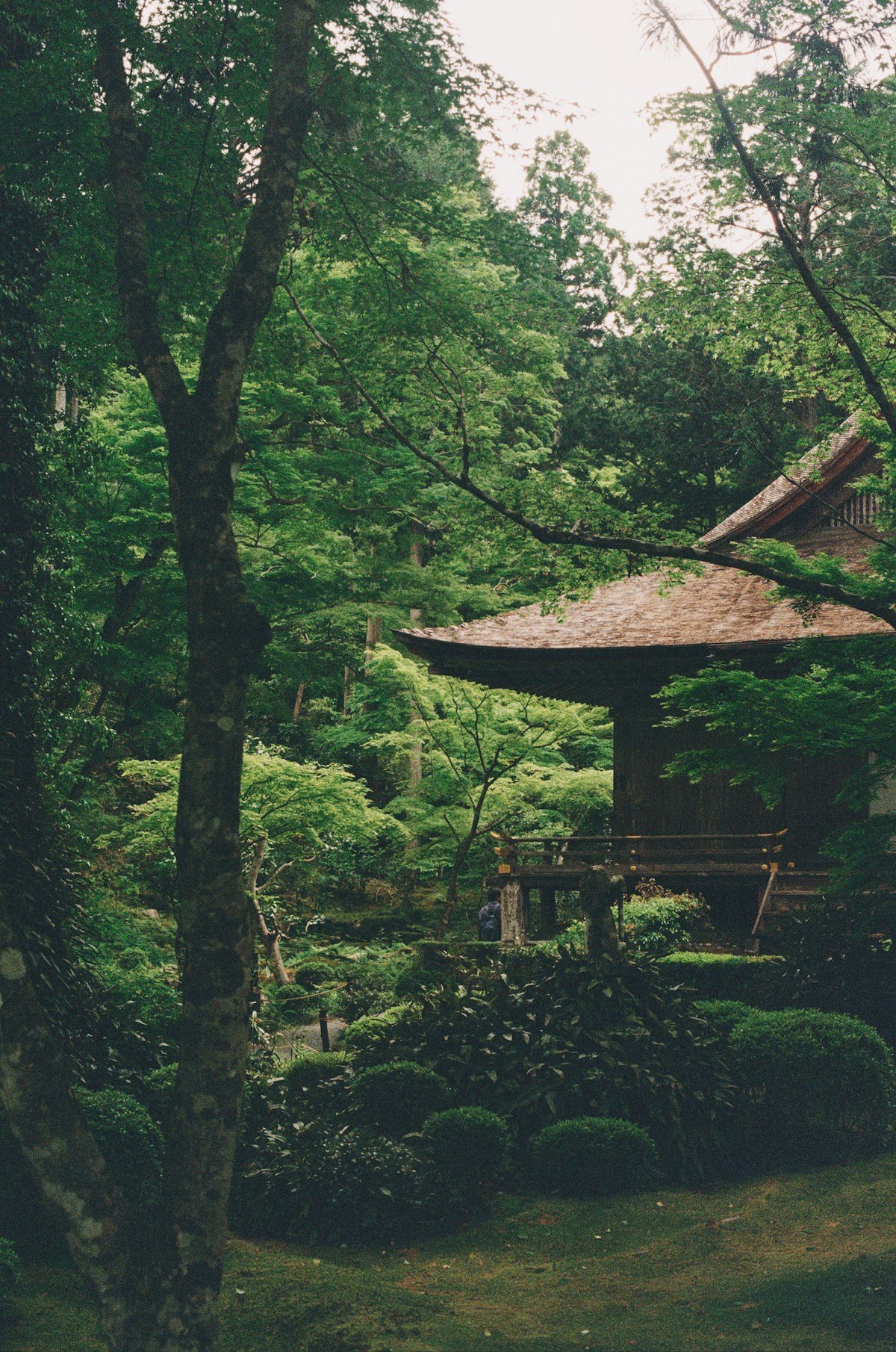
Ghibli Park opened in November 2022 inside Expo 2005 Aichi Commemorative Park (Moricoro Park) in Nagakute — a 45-minute journey from Nagoya. There are no rides, no roller coasters, and no parade floats. What the park offers instead is something considerably harder to find: the architecture, landscapes, and objects of Studio Ghibli films built at full scale and placed within a functioning woodland park.
This guide covers the booking system step by step, every zone in detail, the best time to visit, how to get there, and what first-timers consistently wish they had known before arriving.
Before You Go: The Ticket System
Ghibli Park tickets are not available at the gate. Every visit requires advance booking through Boo-Woo Ticket (boo-woo.com), the official ticketing platform linked from the Ghibli Park website. The interface is in Japanese; use Chrome with auto-translate or a browser translation extension — the booking flow is straightforward once translated.
How tickets are released: Tickets are released in monthly batches, typically 2–3 months in advance. Release dates are announced through the official Ghibli Park social accounts and website. Popular months (Golden Week, summer holidays, autumn weekends) sell out within minutes of release.
Step-by-step booking:
- Create an account on Boo-Woo Ticket before the release date — account creation takes 5 minutes but requires an email address and credit card. Doing this in advance removes friction on release day.
- On the release date, log in at the scheduled time. Have your desired date and ticket type ready before the queue opens.
- Select your date, entry time slot (for Grand Warehouse, timed entry is required), and ticket type.
- Complete payment by credit card — international cards are accepted.
- Tickets are delivered by email. Bring a printed or digital copy plus photo ID on the day.
Ticket types:
| Ticket | Adult | Child (4–12) |
|---|---|---|
| Grand Warehouse only | ¥2,500 | ¥1,250 |
| Hill of Youth only | ¥1,000 | ¥500 |
| Dondoko Forest only | ¥1,000 | ¥500 |
| All Ghibli Park Day Pass | ¥5,500 | ¥2,750 |
Prices are approximate as of 2026 — verify on the official site before booking, as pricing has been updated since opening. The All Ghibli Park Day Pass is the best value for a full visit and covers all five zones.
If tickets are sold out: Cancellations do appear on the Boo-Woo platform in the days leading up to each date — check back regularly if your preferred date is sold out. There is no authorised resale platform; third-party listings are unofficial and carry the risk of rejection at the gate.
The Five Zones
1. Ghibli’s Grand Warehouse
Ticket required: Yes (timed entry, Grand Warehouse ticket or Day Pass)
The indoor centrepiece of the park. Grand Warehouse spans a large air-conditioned building and is the only zone with a fixed entry time, making it the best starting point for planning your day. Allow 2–3 hours.
What’s inside:
- Exhibition halls: Detailed recreations of scenes, objects, and environments from Spirited Away, My Neighbour Totoro, Nausicaä, and more. Display cases contain original production sketches, model sheets, and concept artwork — levels of detail that reward slow looking.
- Short films: The park screens Ghibli short films in an internal cinema (included with entry). Films rotate periodically; current titles are posted on the official website. Screenings run every 15–20 minutes and seats fill quickly — head here first upon arrival.
- Character Kingdom: A large play structure built for children under approximately 12, designed around Totoro characters. The Cat Bus room — a walk-through recreation of the Cat Bus from My Neighbour Totoro — is the most popular single attraction in the park. Queues begin forming 30 minutes before opening, and waits of 45–60 minutes are common on weekends.
- Ghibli Shop: The primary merchandise shop inside the park. Carries exclusive items designed for Grand Warehouse that are not available at external Pokémon Centers or general retail. Budget time and ¥3,000–¥10,000+ if you plan to shop.
Photography: No photography is permitted in the exhibition halls or cinema. The Character Kingdom and some retail areas allow photography — watch for signage on arrival.
2. Hill of Youth (Seiishun no Oka)
Ticket required: Yes (Hill of Youth ticket or Day Pass)
Set into a gentle hillside within Moricoro Park, Hill of Youth references Howl’s Moving Castle and Castle in the Sky. The Antique Lift — a recreation of the ornate elevator from Howl’s Moving Castle — sits at the centre and is fully operational (passengers can ride it). The Clock Tower structure from Castle in the Sky rises above the hill with accessible walkways around its exterior.
The hill is less crowded than Grand Warehouse and rewards unhurried exploration. Reading signs is worthwhile: each installation is accompanied by text explaining the film context and the design decisions behind the recreation. The whole zone takes about 45 minutes to explore properly.
3. Dondoko Forest
Ticket required: Yes (Dondoko Forest ticket or Day Pass)
Set deep in the woodland area of Moricoro Park, Dondoko Forest centres on Satsuki and Mei’s House — a meticulous full-scale recreation of the house from My Neighbour Totoro. Every room is fitted out to period detail: the kitchen, the Japanese-style tatami room, the garden with the camphor tree.
Visitors do not enter the house itself (viewing is from the exterior and through windows), but the surrounding adventure playground is accessible. The playground is designed around large wooden structures — a Totoro-scale play log, climbing towers, rope bridges — and is genuinely tiring for children in the best way. Allow 60–90 minutes.
Dondoko Forest is the quietest zone on busy days because of its distance from the main entrance. It rewards morning or late afternoon visits when light through the trees is better for photography.
4. Mononoke’s Village (Mononoke no Sato)
Ticket required: Included in All Ghibli Park Day Pass
Built around the ironworks village of Tatara-ba from Princess Mononoke, this zone is a striking shift in atmosphere from the softer Totoro-world areas. The buildings use heavy timber construction with dark thatching — it reads as substantially older and more weathered than the rest of the park.
The village includes a small market building with displays of tools, materials, and objects from the film’s production research. The zone is compact (30–40 minutes at most) but visually memorable — the design quality is notably high.
5. Valley of Witches (Majo no Tani)
Ticket required: Included in All Ghibli Park Day Pass
The most recently expanded zone, Valley of Witches centres on Kiki’s Delivery Service and Howl’s Moving Castle. Kiki’s house and the exterior of the Gutiokipanja Bakery are fully built out at scale, with props and set dressing faithful to the 1989 film. Howl’s Moving Castle — the mechanical castle itself — stands as an exterior installation visible from multiple approach paths.
At the time of opening, this zone included tearooms and café spaces within the Kiki’s delivery service bakery building. Check the current schedule on arrival as food service and event programming in this zone varies seasonally.
Best Time to Visit
Day of week: Weekdays (Wednesday to Friday outside school holidays) see significantly lower crowds across all zones. The Cat Bus queue in Grand Warehouse drops from 45–60 minutes on weekend peaks to 10–15 minutes on quiet weekdays.
Season:
- Autumn (October–November): The standout season. Moricoro Park’s deciduous trees colour through amber, red, and yellow, and the outdoor zones — particularly Dondoko Forest — look exceptional. This is also peak crowd season; plan well in advance.
- Spring (March–April): Cherry blossom runs through the park grounds. Busy but the blossom period is short (1–2 weeks) and worth tolerating crowds for.
- Summer (July–August): School holiday crowds are significant. Grand Warehouse is air-conditioned, but outdoor zones are hot and exposed. Arrive early and carry water.
- Winter (December–February): The quietest season by visitor numbers. Outdoor areas can be cold, but the atmosphere in Dondoko Forest with bare trees is stripped-back and architectural in a way that works for photography.
Getting There from Nagoya
The standard route:
- From Nagoya Station, take the Higashiyama Subway Line to Fujigaoka (approximately 25 minutes, from ¥320 as of 2026)
- Transfer to the Linimo magnetic levitation line at Fujigaoka and ride to Koen-nishi Station (approximately 15 minutes, from ¥360 as of 2026)
- Follow Ghibli Park signs from Koen-nishi station — the park entrance is a 5–10 minute walk
Total from Nagoya Station: approximately 40–45 minutes and ¥680–¥700. IC cards (Manaca, Suica, Pasmo) work on both Subway and Linimo.
From Tokyo: Take the Tokaido Shinkansen to Nagoya (approximately 1 hr 40 min from Tokyo Station; from ¥10,560 unreserved on the Hikari). From Nagoya, follow the route above. A combined Tokyo–Ghibli Park day is tight but achievable; most visitors make it a stop on the Tokyo–Kyoto route rather than a pure day trip from Tokyo.
The Linimo experience: The Linimo is a magnetic levitation commuter line — the first regular-service maglev in the world. It runs above ground through suburban Aichi and the ride itself (quiet, smooth, and elevated) is worth noting as more than just transport.
Tips for First-Time Visitors
Start at Grand Warehouse. Your timed entry slot defines when you must enter; the other zones have no fixed entry time. Use your Grand Warehouse entry time as the anchor for the day and plan Dondoko Forest and Hill of Youth around it.
Download the official app before arrival. The Ghibli Park app (available on iOS and Android) shows real-time zone maps, current wait times for the Cat Bus and character areas, and today’s short film schedule in Grand Warehouse. Connection can be slow inside the park — download the app at home.
No photography in exhibition halls — and that’s the point. Visitors who try to photograph everything in the exhibition halls miss the detail that rewards proper looking. The Ghibli Museum in Mitaka has the same rule. Spend the time reading the display text instead.
Bring more food than you think you need. On-site catering covers the basics but the queues for the Grand Warehouse café peak badly between 12:00 and 13:30. Eating before you arrive or packing a light lunch to eat at a Moricoro Park bench is the smarter move.
IC card transport only. Do not buy paper tickets for the subway or Linimo — IC card top-up is faster, cheaper in some cases, and removes the need to queue at ticket machines twice.
Dress for the weather. Outdoor zones account for three of the five areas. Rain makes stone paths slippery and reduces visibility in Dondoko Forest significantly. A compact umbrella or rain poncho fits easily in a bag and prevents an otherwise good day from being a wet one.
Summary: Is Ghibli Park Worth It?
For visitors with any connection to Studio Ghibli films — yes, without qualification. The craftsmanship is serious, the atmosphere is unlike any other themed space in Japan, and the woodland setting of Moricoro Park gives the whole experience a natural breathing room that makes it feel more curated than commercial.
For visitors with no background in Ghibli films, the park is still a high-quality day out but may feel context-light. Watching My Neighbour Totoro, Spirited Away, and Kiki’s Delivery Service before your visit adds significant depth to every zone — and they are all available on streaming services internationally.
Book early, plan around the Grand Warehouse timed slot, and leave at least five hours. One day is enough to see everything at a reasonable pace.