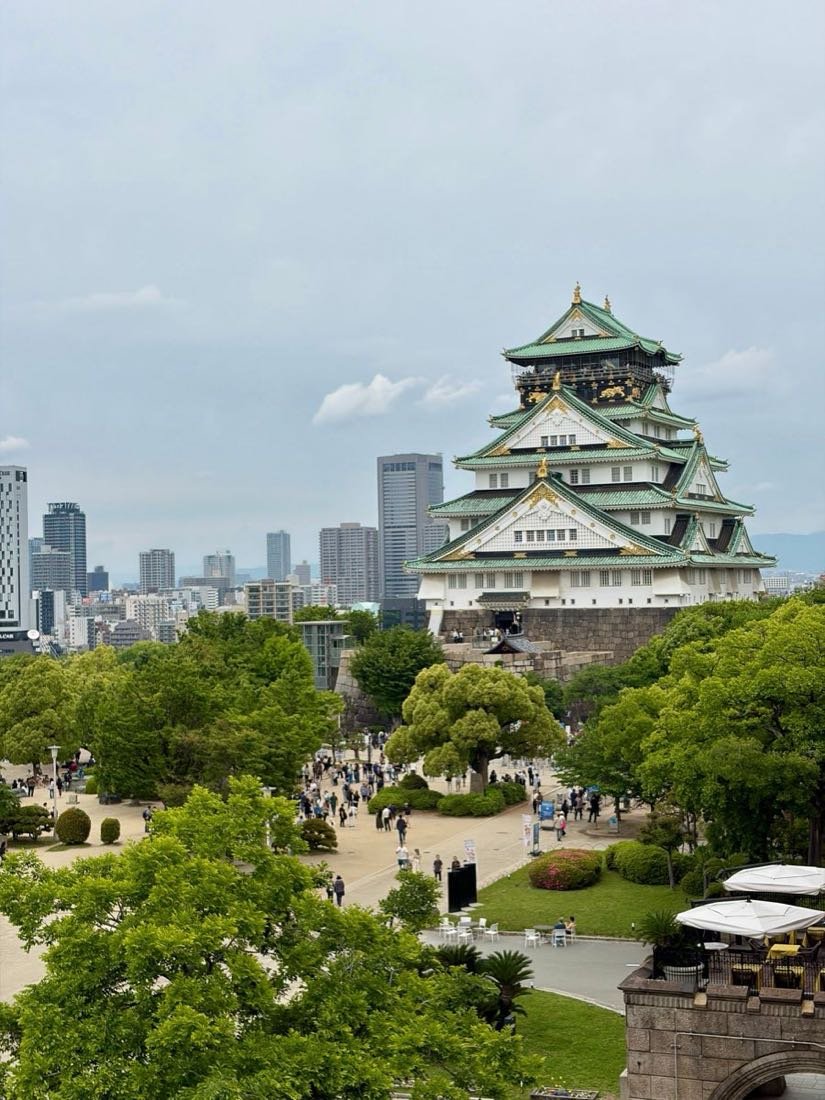
Osaka and Hiroshima sit 340 km apart on Japan’s Kansai–Chugoku corridor, connected by shinkansen in 45 minutes. But in character and purpose, they could not be more different. Osaka is Japan’s loudest, most food-obsessed city - a place of neon-lit canal streets, enormous portions, and an irreverent civic personality. Hiroshima is a city that rebuilt itself from complete destruction and now carries that history as both weight and civic identity. Both deserve a place on a Japan itinerary. Here’s how to decide which to prioritise.
Quick Verdict
| Category | Osaka Wins | Hiroshima Wins |
|---|---|---|
| Street food culture | Yes | - |
| Historical weight | - | Yes |
| Day trips | Yes (Kyoto, Nara) | Yes (Miyajima Island) |
| Nightlife | Yes | - |
| Budget travel | - | Yes (modestly) |
| Pace | - | Yes (slower) |
| Food scene overall | Yes | Yes (okonomiyaki) |
| International gateway | Yes | - |
| Emotional impact | - | Yes |
| Urban scale | Yes | - |
Osaka wins for energy, variety, food culture, and urban scale. Hiroshima wins for historical depth, pace, and the unmissable Miyajima Island day trip.
History and Culture
Osaka
Osaka has been Japan’s commercial capital for most of its recorded history. The city’s identity - brash, generous, food-centred - traces back centuries to its role as a merchant city and the site of Toyotomi Hideyoshi’s castle. The local personality concept of kuidaore (“eat until you drop”) is not tourism marketing: it is a genuine civic value. Osaka people take pride in knowing where to eat, arguing about ramen, and spending disproportionately on food relative to income.
Culturally, Osaka is the home of manzai comedy, the two-person stand-up tradition that underlies much of Japanese TV humour. It produced bunraku puppet theatre, which is recognised by UNESCO. Osaka Castle - rebuilt in the 1930s with a modern concrete interior - is the most visited historical site, though the castle grounds are more impressive than the museum inside.
Hiroshima
Hiroshima’s modern identity is inseparable from 6 August 1945, when the first atomic bomb was dropped on the city, killing an estimated 70,000–80,000 people instantly and destroying 90% of the city. The city rebuilt entirely from rubble, and the rebuilt Hiroshima of 1.2 million people now exists in deliberate relationship to that history.
The Peace Memorial Museum is one of the most important museums in the world - not just as a record of what happened, but as a sustained argument about what that means. The A-Bomb Dome (Genbaku Dome), the skeletal remains of the former Industrial Promotion Hall, was left standing as a permanent relic of the blast. It is a UNESCO World Heritage Site.
Before August 1945, Hiroshima was a significant military and industrial city. That earlier history exists but is less emphasised. The city’s Buddhist temple district, Shukkei-en garden (damaged in the blast and restored), and its position as a gateway to the Seto Inland Sea tell a different story about a city that existed long before and after the bomb.
Nature and Day Trips
Around Osaka
Osaka sits at the centre of the Kansai region, which gives it extraordinary day-trip reach. Kyoto is 15 minutes by shinkansen - the temples of Arashiyama, Fushimi Inari’s 10,000 torii gates, and the preserved geisha district of Gion are all within easy reach. Nara is 45 minutes by train, with free-roaming deer and Tōdai-ji’s giant Buddha. Kobe is 20 minutes west - the hillside Kitano district has well-preserved 19th-century foreign residences and excellent beef.
Osaka itself has Sumiyoshi Taisha (one of Japan’s oldest shrines), the Osaka Bay area with a modern aquarium, and forested trails on the southern edge of the city toward Kongo and Katsuragi mountains.
Around Hiroshima
Hiroshima’s single greatest day trip is Miyajima Island (Itsukushima), 30 minutes from the city by train and ferry. The floating torii gate of Itsukushima Shrine rises from Hiroshima Bay and is one of Japan’s canonical images - classified as one of Japan’s three views (Nihon Sankei). Deer roam the island freely. Oysters grilled on the waterfront are among Japan’s best.
The Seto Inland Sea stretches west and south, with islands accessible by ferry from Hiroshima - the Shimanami Kaidō cycling route connecting Hiroshima Prefecture to Ehime across a series of bridges is a two-day ride through some of Japan’s best scenery.
Miyoshi to the north has Sandankyo Gorge, a forested ravine with waterfalls and swimming holes largely off international tourist itineraries.
Food
Osaka
Osaka’s street food culture is genuinely world-class. The Dotonbori canal district and the covered Kuromon Ichiba market are the anchors, but the real Osaka food experience is the back streets of Namba, Shinsekai, and the neighbourhood izakayas of Tenma. The city’s signature foods:
- Takoyaki - octopus balls cooked in a special round mould, eaten with mayonnaise and bonito flakes (¥500–800 for 8 pieces)
- Okonomiyaki - savoury pancake (Osaka-style: mixed batter with cabbage, seafood, pork, topped with okonomiyaki sauce)
- Kushikatsu - breaded and deep-fried skewers of meat, seafood, and vegetables; the double-dipping ban in the communal sauce is strictly enforced
- Ramen (not a local speciality but the concentration of excellent ramen shops is high)
A full Dotonbori street food crawl costs approximately ¥2,000–3,500 per person. Sit-down restaurants in Osaka average ¥1,500–3,000 for a main meal. The Kuromon Ichiba market sells fresh seafood, wagyu beef, and produce at prices reflecting local rather than tourist demand.
Hiroshima
Hiroshima’s food identity is also centred on okonomiyaki, but the local version is radically different from Osaka’s. Hiroshima-style okonomiyaki layers ingredients rather than mixing them - thin batter, cabbage, bean sprouts, pork belly, and noodles (soba or udon) are stacked and cooked flat, producing a denser, more substantial dish. The Okonomimura building in central Hiroshima houses 25 different okonomiyaki restaurants across three floors - a food court dedicated entirely to a single dish.
Hiroshima is also Japan’s leading oyster producer. The Seto Inland Sea’s sheltered waters and cold nutrient flow produce oysters that are larger and richer than most Japanese coastal varieties. Grilled over charcoal at stalls near Miyajima’s ferry terminal (from approximately ¥300 each), or served raw at Hiroshima’s seafood restaurants, they are a reason to visit the city on their own terms.
Lesser-known: Hiroshima’s tsukemen (thick dipping ramen) scene is excellent, and the city’s craft beer bar density has increased significantly in the past five years.
Cost Comparison
| Expense | Osaka | Hiroshima |
|---|---|---|
| Budget hotel / hostel dorm | ¥2,800–4,000 | ¥2,500–3,500 |
| Mid-range hotel (per night) | ¥10,000–20,000 | ¥8,000–15,000 |
| Street food meal | ¥800–1,500 | ¥600–1,200 |
| Sit-down dinner (per person) | ¥1,500–3,500 | ¥1,200–2,500 |
| Subway / daily transport | ¥600–900 | ¥400–700 |
| Peace Museum entry | - | ¥200 adults |
| Miyajima ferry | - | ¥200 each way |
Hiroshima is modestly but consistently cheaper than Osaka. The largest savings are on accommodation and dining. For a 2-night stay, the difference might run to ¥5,000–8,000 per person. Not dramatic, but meaningful on a longer Japan trip.
Getting Between Them
Osaka and Hiroshima are ideally positioned for a day trip or a short overnight. The shinkansen (bullet train) connects them efficiently:
- Nozomi (fastest): Shin-Osaka to Hiroshima in approximately 45 minutes, ¥9,440 one way (not covered by Japan Rail Pass)
- Hikari/Kodama: 1 hour to 1 hour 30 minutes, covered by the Japan Rail Pass
- Highway bus: approximately 3 hours, from ¥2,500 one way; cheaper but significantly slower
For JR Pass holders, Hiroshima is one of the most cost-efficient stops on a Kansai-based trip - the shinkansen journey is short enough to treat as a day trip. Non-Pass travellers should book shinkansen tickets in advance during peak season (spring and autumn) via the JR Kyushu website or station kiosks.
Tours from Osaka to Hiroshima → | Tours in Hiroshima →
Verdict by Traveller Type
Go to Osaka if you:
- Want the highest concentration of food, nightlife, and street energy
- Are using the city as a Kansai base for day trips to Kyoto and Nara
- Prefer urban density and variety over quiet reflection
- Travel with children who will engage better with food culture, Universal Studios Japan, and the aquarium
- Have limited time and want the city that rewards fast, spontaneous exploration
Go to Hiroshima if you:
- Want a profound and singular historical experience that you cannot replicate elsewhere in Japan
- Are drawn to slower-paced travel with intentional cultural immersion
- Plan to combine the city with a Miyajima Island day trip (essential)
- Are returning to Japan and want to move beyond the main tourist circuit
- Have a particular interest in World War II history, peace movements, or 20th-century Japan
Visit both if you:
- Are on a 10+ day Japan itinerary - they are 45 minutes apart by shinkansen
- Want to compare the two styles of okonomiyaki (it is a genuine food disagreement worth having)
- Are doing the extended Golden Route (Tokyo–Kyoto–Osaka–Hiroshima)
Most Japan itineraries of two weeks can accommodate both cities - spending 3 nights in Osaka as a Kansai base and adding 1–2 nights in Hiroshima on the way to or from Kyushu.