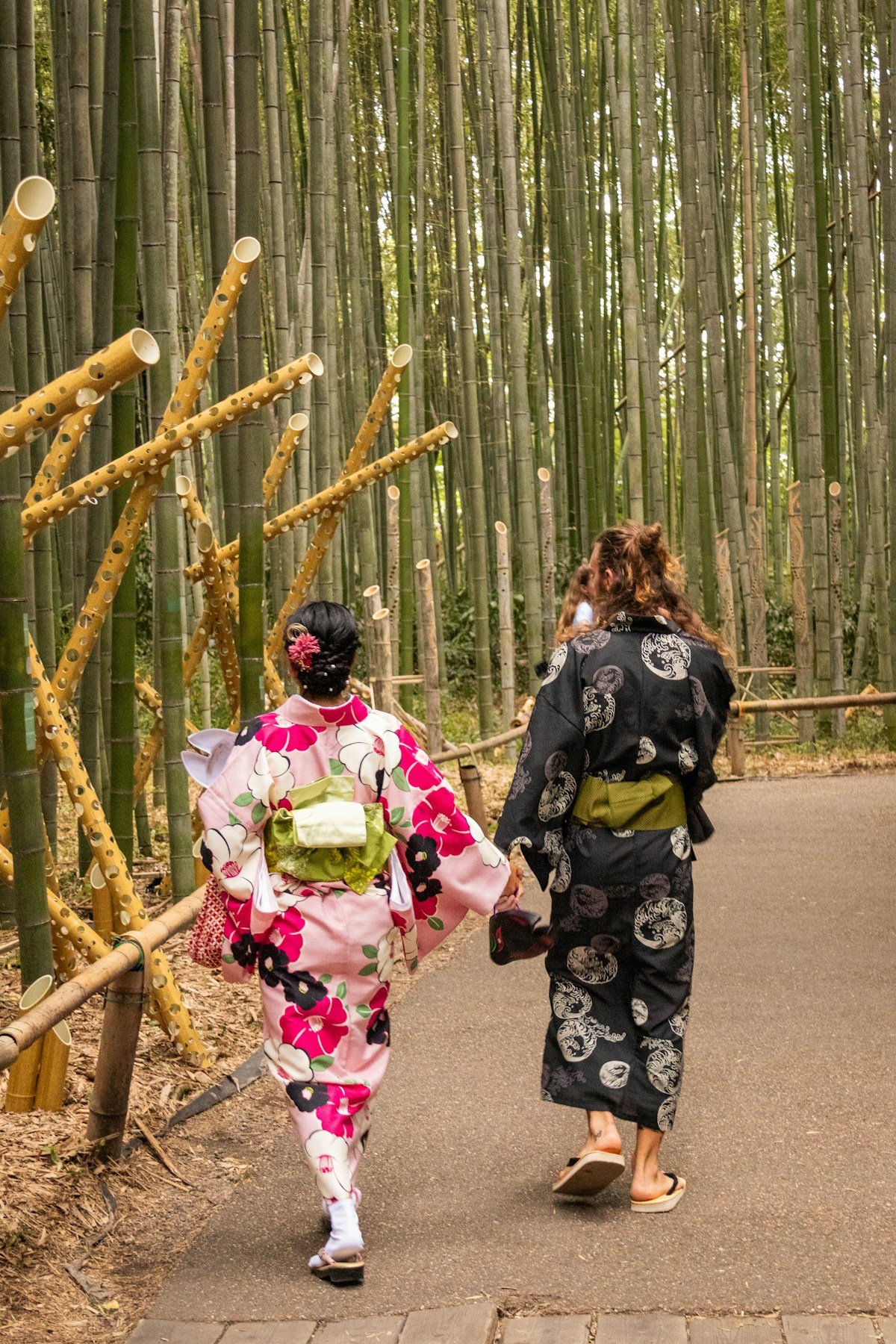
Japan rewards honeymooners in ways that few destinations can match. Ancient temples share quiet streets with modern cocktail bars. Bullet trains whisk you between cities in under an hour. A tatami-floored ryokan with a private rotenburo (outdoor hot spring bath) feels genuinely like nowhere else on earth. This 10-day itinerary balances the classic Japan highlights with the slower, more intimate pace a honeymoon deserves.
Best Time to Go
Two seasons stand out. Late March to early April brings cherry blossoms — the iconic sakura that turns parks and riverside paths into soft pink canopies. Book ryokans and hotels at least three months in advance; this is Japan’s most popular travel window and rooms sell out fast.
Mid-October to mid-November brings autumn foliage — maple trees blazing in red, orange and gold against temple rooftops. Crowds are slightly thinner than cherry blossom season, and the air is crisp and comfortable for walking.
Both are excellent for a Japan cherry blossom trip or autumn foliage experience. If you’re flexible, November edge it slightly for ease of booking.
What to Budget
Accommodation is where the biggest spending decisions happen. Japan has extraordinary options at every level:
- Budget ryokan — from approximately ¥12,000 to ¥15,000 per room per night, including breakfast and dinner
- Mid-range hotels — from approximately ¥22,000 to ¥30,000 per room per night
- Luxury ryokan (splurge) — from ¥55,000 to ¥120,000+ per night at kaiseki-inclusive properties
For more on choosing the right style of accommodation, read our ryokan guide for Japan before booking.
Getting Around
A 7-day JR Pass (approximately ¥50,000 as of 2026) covers all Shinkansen travel in this itinerary. Purchase and activate before you depart — it is not available inside Japan at the standard tourist price. Read our Japan Rail Pass guide for full activation and booking details.
Key Shinkansen fares covered by the pass on this route:
- Tokyo to Kyoto: approximately 2 hours 15 minutes (Hikari service)
- Kyoto to Hiroshima: approximately 1 hour (Nozomi — covered only by JR Pass on the Hikari/Sakura services)
- Hiroshima to Osaka: approximately 45 minutes
- Osaka to Tokyo: approximately 2 hours 30 minutes
For the Hakone leg, the Hakone Free Pass (approximately ¥6,000 as of 2026) is better value than the JR Pass and covers all local transport — ropeway, boats, buses and the Romancecar train from Shinjuku.
Day 1 and 2 — Tokyo (2 nights)
Arrive into Narita or Haneda, clear customs, and make your way to your hotel. Use day one to settle in and keep things light — Tokyo is a big city and the jet lag is real.
What to do
Day 1: Stroll Yanaka, one of Tokyo’s oldest surviving neighbourhoods. Narrow lanes of wooden craft shops, independent cafes and a sprawling cemetery make it feel far removed from the neon-lit Tokyo of postcards. End the evening in Shinjuku — dinner in Omoide Yokocho (Memory Lane) for yakitori, then drinks at a rooftop bar.
Day 2: Start at Hamarikyu Gardens for a morning boat ride on the inner garden pond, then cross to Odaiba for views back across the bay toward the city skyline. Late afternoon in Asakusa — Senso-ji temple is crowded midday but turns golden and quiet in the hour before closing.
Where to eat
- Narisawa (Minami-Aoyama) — innovative Japanese tasting menu, approximately ¥35,000 per person. One of Tokyo’s finest restaurants; book three months ahead.
- Sukiyabashi Jiro Honten — world-famous Jiro sushi, approximately ¥45,000 per person by reservation only. For a honeymoon splurge, this is the booking.
- Ichiran Ramen — solo-booth tonkotsu ramen, approximately ¥1,200 per bowl. After a long travel day, there is nothing better.
Where to stay
- Budget: Bunkyo Hakone Onsen Hotel, Bunkyō — from approximately ¥12,000 per room
- Mid-range: Hotel Monterey Ginza — from approximately ¥25,000, central location, reliable quality
- Splurge: The Peninsula Tokyo — from approximately ¥90,000, Marunouchi district, impeccable service and city views Search hotels in Tokyo on Booking.com
Day 3, 4 and 5 — Kyoto (3 nights)
Take the Shinkansen to Kyoto in the morning — it’s a smooth two-hour ride. Kyoto is the cultural heart of Japan: 17 UNESCO World Heritage Sites, immaculate temple gardens, and a preserved geisha district that still operates exactly as it did three centuries ago.
What to do
Day 3: Arrive, check in, rest. Late afternoon walk through Gion — the historic geisha quarter. The wooden machiya townhouses along Hanamikoji Street are best at dusk when red lanterns glow and the streets are quiet.
Day 4: An early start to Fushimi Inari Shrine is one of the great rewards of visiting Kyoto. The 10,000 vermilion torii gates begin to thin after the first hour’s climb, and by the time you reach the mid-mountain rest stops you’ll often have the path almost to yourselves. Back in the city, afternoon in Nishiki Market for food stalls — pickled vegetables, fresh mochi, grilled skewers.
Day 5: Arashiyama for a full day. The bamboo grove is a 10-minute walk from Saga-Arashiyama station. Go before 8am if you can — the light filtering through the stalks in the early morning is extraordinary and the selfie crowds haven’t arrived yet. Then rent a rowboat on the Oi River (approximately ¥1,500 per hour as of 2026) and drift under the forested hillsides. The Okochi Sanso Villa garden above Arashiyama is genuinely romantic and largely missed by day-trippers — entry includes a matcha tea service.
Where to eat
- Kikunoi Honten (Higashiyama) — formal kaiseki cuisine in a traditional machiya, approximately ¥22,000 per person for a full kaiseki course dinner. Book two months ahead.
- Nishiki Warai — Kyoto-style obanzai small plates, approximately ¥2,500 per person. Excellent lunch option near Nishiki Market.
- Omen (Gion) — handmade udon in a low-lit, lantern-hung space, approximately ¥1,500 per bowl. Reliably warm and good.
Where to stay
- Budget ryokan: Gion Yoshiima — from approximately ¥14,000 per room, tatami floors, communal baths, full kaiseki breakfast included
- Mid-range: The Thousand Kyoto — from approximately ¥28,000, beautifully designed, close to Kyoto Station
- Splurge: Tawaraya Ryokan — from approximately ¥110,000 per room, Japan’s most celebrated traditional inn. Booked months in advance, but genuinely unforgettable for a honeymoon. Search hotels in Kyoto on Booking.com
Day 6 and 7 — Hakone (2 nights)
From Kyoto, take the Shinkansen to Odawara then the Romancecar to Hakone-Yumoto. Hakone sits inside the caldera of a dormant volcano, giving it a landscape unlike anywhere else in Japan — sulphurous hot springs, crater lakes, ropeway gondolas rising over steaming vents, and when the sky cooperates, a direct sightline to Mount Fuji.
Hakone is where this itinerary earns its honeymoon credentials most completely. A private onsen room in a ryokan, a kaiseki dinner served course by course in your room, and a mountain morning with Fuji on the horizon — it’s the type of experience that stays with you.
For a full guide to Hakone’s thermal bathing culture, read our Japan onsen guide.
What to do
Day 6: Check in early if possible, soak in the onsen, do nothing. The Hakone Ropeway from Sounzan to Owakudani gives sweeping views over the volcanic valley — the sulphur vents bubble and steam below, and on clear days Fuji fills the northern horizon. At Owakudani, try the black eggs (boiled in the volcanic spring, approximately ¥600 for five as of 2026 — the black shells are a sulphur effect).
Day 7: Morning boat crossing on Lake Ashi — the Hakone Sightseeing Cruise passes the famous red torii gate of Hakuryu Shrine standing in the water. From the lakeside pier at Moto-Hakone, the avenue of 400-year-old cedar trees along the Old Tokaido Highway makes for a beautiful morning walk. Afternoon back at the ryokan for a second onsen session before dinner.
Where to eat
Most Hakone ryokans include dinner in the room rate. If you’re staying at a hotel rather than a ryokan:
- Ichinoyu Honkan restaurant — traditional Japanese set meals, approximately ¥4,500 per person
- The Bakery (Hakone-Yumoto) — simple, excellent sandwiches and coffee for a lakeside picnic, approximately ¥1,200
Where to stay
Staying in a ryokan in Hakone is strongly recommended over a hotel — it is a fundamentally different experience.
- Budget ryokan: Motoyu Ryokan — from approximately ¥15,000 per room including two meals
- Mid-range ryokan: Fukuzumiro — from approximately ¥28,000, private onsen available on request, kaiseki dinner included
- Splurge ryokan: Gora Kadan — from approximately ¥75,000, one of Hakone’s finest, with private hot spring baths attached to selected rooms Search hotels in Hakone on Booking.com
Day 8 — Hiroshima and Miyajima (1 night)
From Hakone, return to Odawara and take the Shinkansen west to Hiroshima — approximately two and a half hours. Hiroshima is a city of profound emotional weight and remarkable resilience, and it belongs in almost every Japan itinerary.
What to do
Morning and afternoon: The Peace Memorial Park and Museum is essential. The museum covers the events of August 1945 without flinching and without sensationalism — approximately two hours, entry approximately ¥200 as of 2026. The A-Bomb Dome, preserved as it stood after the blast, sits across the river and can be seen without entering the park.
Late afternoon: Catch the ferry to Miyajima island (approximately 10 minutes, covered by JR Pass, approximately ¥200 otherwise as of 2026). The floating torii gate of Itsukushima Shrine — bright red, standing in the tidal water — is one of Japan’s most iconic images and genuinely more striking in person. At low tide you can walk out to the gate. At high tide it appears to float. Both are worth seeing.
Where to eat
- Okonomi-mura (Hiroshima) — a building housing two floors of okonomiyaki restaurants, Hiroshima’s savoury layered pancake with noodles and egg. From approximately ¥1,000. The local style differs from Osaka’s — worth trying both on this trip.
- Kakiya (Miyajima) — fresh oysters grilled or raw, oyster rice, oyster gratin. Miyajima is famous for oysters and this is one of the best spots, approximately ¥2,500 per person.
Where to stay
- Budget: Via Inn Hiroshima — from approximately ¥10,000, clean and central
- Mid-range: Sheraton Grand Hiroshima — from approximately ¥24,000, good location near the Peace Park
- Splurge: Miyajima Grand Hotel Arimoto (on the island) — from approximately ¥55,000, ryokan on Miyajima with sea views and private onsen Search hotels in Hiroshima on Booking.com
Day 9 and 10 — Osaka (2 nights)
Hiroshima to Osaka is 45 minutes on the Shinkansen. Osaka is the counterpoint to Kyoto’s serenity: loud, funny, chaotic, and obsessively focused on food. It is Japan’s most approachable city for first-time visitors.
What to do
Day 9: Afternoon arrival — drop bags and head straight to Dotonbori for the evening. The illuminated canal, the giant mechanical crab signs, the street food hawkers — it’s overwhelming in the best way. The Glico Running Man sign makes for an easy meeting point.
Day 10: Morning at Osaka Castle and the surrounding park — entry approximately ¥600 as of 2026, with good views of the city from the eighth-floor observatory. Afternoon at Kuromon Ichiba Market for food stalls: wagyu skewers, fresh sashimi, takoyaki (octopus balls). Evening in Shinsekai neighbourhood — an old-fashioned pleasure district with tower views and reliably good kushikatsu (fried skewers on sticks).
Where to eat
- Mizuno (Dotonbori) — Osaka’s most famous okonomiyaki restaurant, approximately ¥2,000 per person. Queue expected.
- Yoshino Sushi (Higashi-ku) — traditional Osaka-style oshizushi (pressed sushi), approximately ¥4,000 per person for a set. One of the oldest sushi restaurants in Japan.
- Kani Doraku (Dotonbori) — the iconic crab restaurant under the mechanical claw sign, approximately ¥5,000 per person.
Where to stay
- Budget: Cross Hotel Osaka — from approximately ¥14,000, good Namba location
- Mid-range: Swissotel Nankai Osaka — from approximately ¥28,000, right on Dotonbori with river views
- Splurge: The St. Regis Osaka — from approximately ¥65,000, Midosuji boulevard, butler service Search hotels in Osaka on Booking.com
Practical Notes
Reservations to make before you travel:
- Ryokans in Hakone and Kyoto — at least 2 to 3 months ahead, longer for peak blossom or foliage season
- Narisawa and Sukiyabashi Jiro in Tokyo — 3 months minimum
- Kikunoi Honten in Kyoto — 6 to 8 weeks ahead
- Tawaraya Ryokan — contact directly, often requires Japanese-language booking assistance
SIM card or eSIM: Japan has excellent mobile coverage. An eSIM activated before departure is the easiest option for couples who each want their own data.
Cash: Japan remains largely cash-based outside of major hotels. Carry at least ¥10,000 to ¥20,000 in cash at all times. 7-Eleven ATMs reliably accept foreign cards.
Tipping: Do not tip in Japan. It can cause confusion or offence. Good service is simply the baseline expectation — and it will be excellent.
Book Your Trip
Flights — search and compare on Aviasales eSIM — stay connected with Airalo Travel insurance — get covered with EKTA Airport transfers — book with Kiwitaxi Tours and activities — browse romantic Japan experiences on GetYourGuide