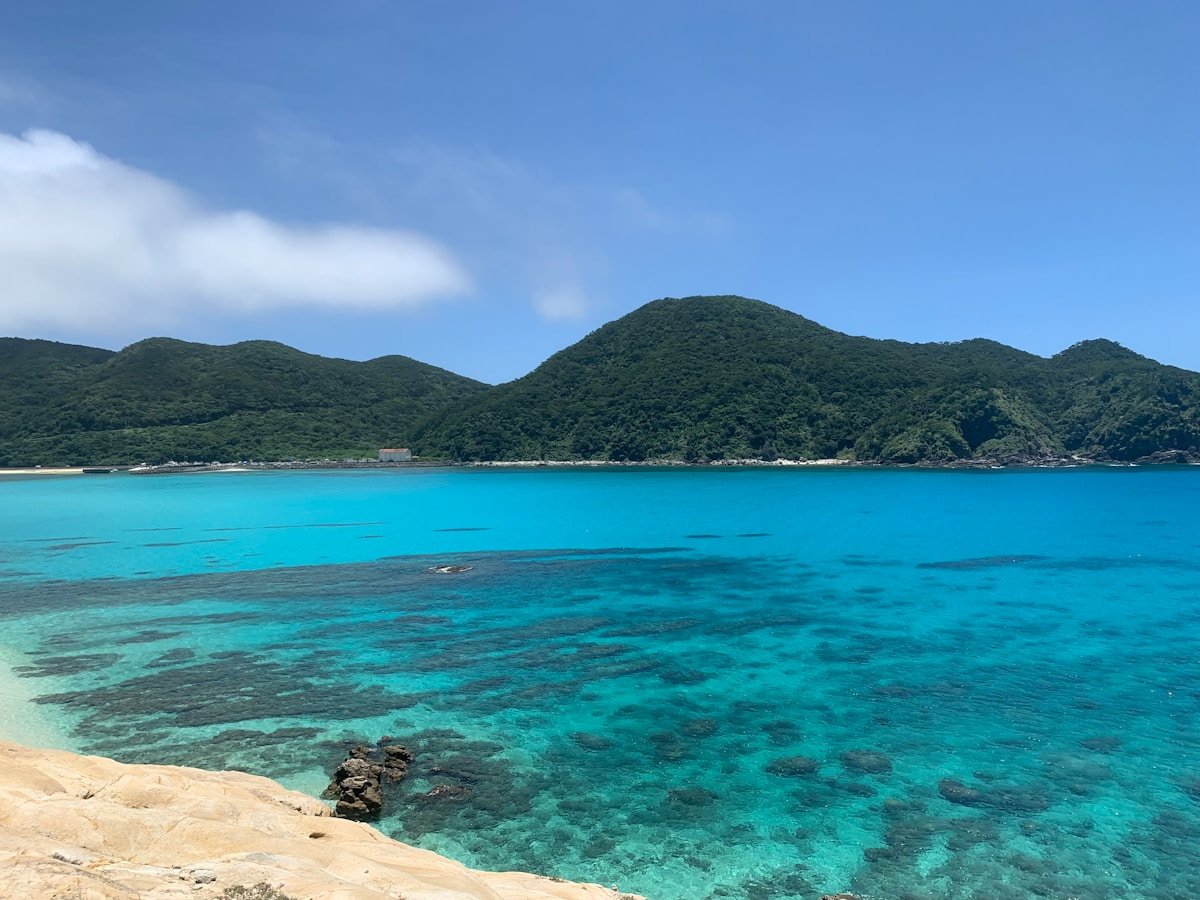
Okinawa is unlike any other Japanese prefecture in transport terms. The main island - Okinawa-honto - stretches 135km from north to south, and outside of Naha the public transport network is limited enough that a rental car is the realistic choice for most visitors who want to explore beyond the city. Within Naha itself, the Yui Rail monorail is convenient and efficient, and the airport connection is among the most seamless in Japan. The key is understanding clearly which mode fits which part of the island.
Yui Rail (Okinawa Urban Monorail)
The Yui Rail (ゆいレール) is Okinawa’s only rail line - a single elevated monorail running 17km from Naha Airport through central Naha to Tedako Uranishi in the northwest. It has 19 stations.
Key stations:
| Station | What’s nearby |
|---|---|
| Naha Airport | Airport arrivals/departures |
| Akamine | Yogi Park, residential Naha |
| Onoyama-Koen | Onoyama Park, Naha Sports Park |
| Tsubogawa | Kokusai Dori west end |
| Kencho-mae | Naha City Hall, central Kokusai Dori |
| Makishi | Makishi Public Market, central Kokusai Dori |
| Asahibashi | Tomari Port (ferries to Kerama Islands, Amami) |
| Miebashi | Naha Bus Terminal (for island-wide buses) |
| Shuri | Shuri Castle (UNESCO World Heritage), 15-min walk |
| Tedako Uranishi | Northern terminus, Urasoe |
Fares (as of 2026):
- Single journeys: ¥230–¥370 depending on distance
- Naha Airport to Shuri (full length): ¥370
IC cards: Suica, ICOCA, Pasmo, and OKICA are all accepted since 2023. Tap in at the platform gate, tap out on arrival - standard IC card operation.
Yui Rail Day Pass
| Pass | Price | Includes |
|---|---|---|
| Yui Rail 1-day pass | ¥800 | Unlimited monorail rides |
| Yui Rail 2-day pass | ¥1,400 | Unlimited monorail rides |
The day pass pays for itself after approximately three return journeys between the airport and Kokusai Dori area. Available from station ticket machines and at Naha Airport. Some passes also include discounts at nearby attractions - ask at the station machine for current offers.
Buses (Within Naha and Island-Wide)
Naha is served by the Okinawa City Monorail Bus and several Okinawa Bus and Ryukyu Bus Kotsu routes from the Naha Bus Terminal (adjacent to Asahibashi Yui Rail Station).
Within Naha:
- Multiple routes connect Kokusai Dori, Tomarin (ferry port), and Naha Bus Terminal. Fares approximately ¥200–¥330. IC cards accepted.
Island-wide buses (Yambaru Express Bus, Okinawa Express): Okinawa Island has bus routes running the full length of the main road (National Route 58 on the west coast). These are the only public transport option for travellers without a car heading to:
- Nago Bus Terminal (for northern Okinawa): approximately 2 hours from Naha Bus Terminal, ¥1,500
- Motobu/Churaumi Aquarium area: approximately 2h 30min from Naha, ¥1,900 (then local bus or taxi)
- Cape Hedo (northernmost tip): approximately 3h 30min from Naha, ¥2,100+
Buses run every 30–60 minutes on main routes; less frequently elsewhere. IC cards are not always accepted on island-wide buses - check before boarding, or carry cash.
Rental Car
For central and northern Okinawa, renting a car in Japan is the most practical and time-efficient transport option. Rental agencies are concentrated near Naha Airport, with shuttle buses connecting the terminal to off-airport lots. Book in advance - Okinawa is heavily visited and car hire sells out quickly, particularly during Golden Week (late April–early May) and Obon (August).
Approximate car hire costs (as of 2026):
- Small kei car: from ¥4,000–¥6,000 per day (local budget agencies)
- Standard compact: from ¥7,000–¥10,000 per day (major agencies)
- Include insurance (CDW): add approximately ¥1,500–¥2,000 per day
Driving is on the left. An International Driving Permit (from your home country) is required - ordinary foreign licences are not valid for driving in Japan without it. Petrol stations are plentiful on Route 58 and in towns; less common in the far north.
ETC cards (electronic toll) are available from rental agencies - recommended for Okinawa Expressway users (tolls: Naha IC to Nago IC approximately ¥970 one way).
IC Cards
Suica, ICOCA, Pasmo, and OKICA all work on the Yui Rail and most Naha city buses. Top up at Naha Airport Yui Rail Station, Shuri Station, or any convenience store. The national IC card system in Okinawa was expanded in 2023, so any card you carry from Tokyo or Osaka will work.
Staying connected while exploring remote northern beaches is essential - Japan SIM options with strong coverage across Okinawa are available for purchase before departure.
Airport Connection
Naha Airport (OKA) is directly integrated with the Yui Rail - one of the simplest airport-to-city connections in Japan. From the international arrivals hall, follow signs to the Yui Rail station (escalators to the second level of the domestic terminal building). No bus transfer needed.
- Naha Airport to Kencho-mae (Kokusai Dori): approximately 12–15 minutes, ¥260–¥290
- Naha Airport to Shuri Station (Shuri Castle): approximately 27 minutes, ¥370
For groups, travellers with luggage heading to resort hotels beyond Naha, or late-night arrivals, Kiwitaxi offers fixed-price transfers across Okinawa Island.
Taxis
Taxis are metered and widely available in Naha. Outside Naha, taxis become sparse and expensive - a taxi from Naha to Churaumi Aquarium (approximately 100km) would cost ¥15,000–¥20,000 or more. Rental car is strongly preferable for anything north of Ginowan.
Approximate Naha fares (as of 2026):
- Flag fall: approximately ¥550–¥600 for the first 1.25km (Okinawa uses slightly different metering than mainland Japan)
- Naha Airport to Kokusai Dori: ¥1,000–¥1,500
- Naha Airport to Shuri Castle: ¥1,500–¥2,000
Late-night surcharge (22:00–05:00): +20%.
Ferries (Kerama Islands and Outer Islands)
Naha’s Tomarin (Naha Tomari) Port - a 10-minute walk or short Yui Rail ride from Asahibashi Station - is the hub for ferries to the surrounding islands.
| Destination | Ferry type | Time | Approximate Fare |
|---|---|---|---|
| Zamami Island (Kerama) | High-speed ferry | 50 min | ¥3,140 |
| Tokashiki Island (Kerama) | High-speed ferry | 35 min | ¥2,590 |
| Ie-jima Island | Ferry (from Motobu Port) | 30 min | ¥770 |
| Miyako-jima | Overnight ferry | ~12h | ¥5,000–¥8,000 |
The Kerama Islands offer some of the finest coral reef snorkelling in Japan and are easily visited as a day trip from Naha. Ferries run multiple times daily during peak season.
Cycling
Naha’s flat streets around Kokusai Dori, Asahibashi, and the Tsuji area are manageable by bicycle. For beachside cycling in Chatan or Katsuren, dedicated rental shops near those areas have bikes available.
City bike rental near Kokusai Dori: from approximately ¥1,000–¥1,500 per day. E-bike hire is increasingly available given the heat - recommended from April to October.
Note on traffic: Route 58 (the main west-coast arterial road) carries heavy traffic and is not pleasant to cycle. Stick to smaller coastal roads and park paths.
Plan Your Trip
- Flights - Find the best fares to Japan
- Hotels - Search hotels in Okinawa on Booking.com
- Travel Insurance - Get covered before you go
- eSIM - Stay connected from landing
- Car Rental - Compare prices across providers
See also: Okinawa travel guide · Things to do in Okinawa · Where to stay in Okinawa · Getting around Japan · Day trips from Okinawa