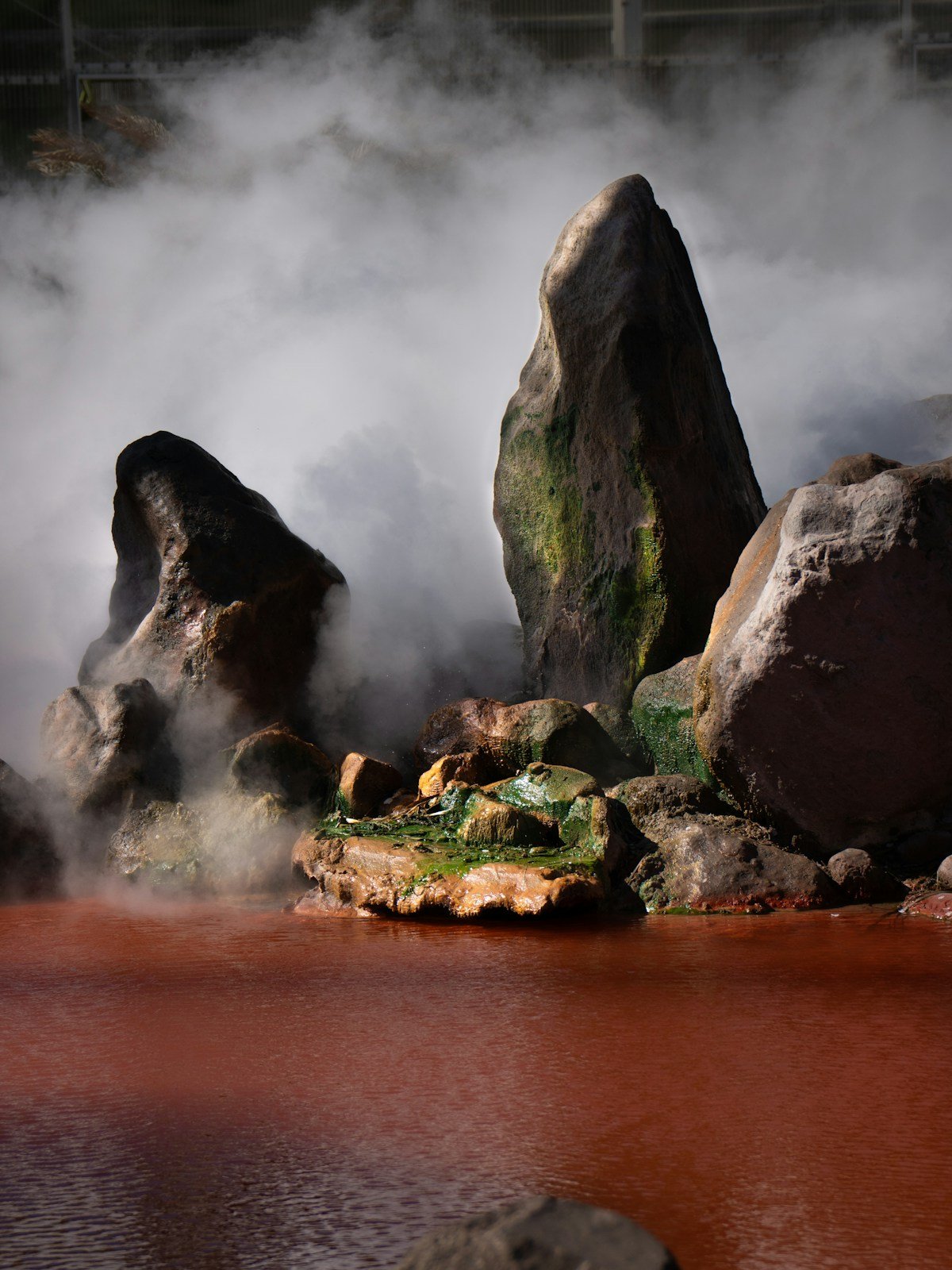
Beppu’s food scene is shaped by two forces: the volcanic landscape and Oita Prefecture’s agricultural tradition. The same geothermal heat that drives the city’s onsen industry is used to cook food at the Kannawa jigokumushi workshop. The surrounding region produces Japan’s most celebrated chicken tempura, a distinctive barley shochu, a local citrus called kabosu used throughout the regional cuisine, and a wagyu beef variety raised in the inland valleys.
Toriten - Oita Chicken Tempura
Oita Prefecture’s most famous dish is toriten: chicken thigh coated in a puffed egg batter, fried until the outside is crisp and the meat inside stays juicy. It is served with ponzu or a tart vinegar dipping sauce, sharper than the mild tentsuyu broth used with standard tempura. The batter is more substantial than conventional tempura batter, giving the dish a heartier character without being heavy.
Toriten appears on menus at virtually every restaurant in Beppu, from convenience store bento boxes to sit-down lunch sets. A toriten set at a casual restaurant costs approximately ¥900–¥1,200 as of 2026. The best versions use free-range Oita jidori chicken, which has more flavour than commercial birds.
Jigokumushi - Geothermal Steam Cooking
The most extraordinary eating experience Beppu offers is cooking with volcanic steam at the Jigokumushi Kobo Kannawa facility. Natural geothermal steam at approximately 100°C vents from wells at the facility; wooden cooking baskets are placed over the vents and ingredients cook in the mineral-rich steam.
Common items cooked this way include sweet potato (45 minutes), corn (12 minutes), eggs (10 minutes), clams and scallops (15 minutes), chicken (20 minutes), and tofu (8 minutes). The steam gives food a distinctive character - more moist than oven cooking, with a very faint mineral note. A meal for two costs approximately ¥1,500–¥2,500 as of 2026. Baskets and tools are provided; English instruction cards are available.
Onsen Tamago
Hot spring eggs (onsen tamago) are cooked whole in the shell at the geothermal water temperature - typically 70–80°C - which produces a result different from conventional boiling. The white sets loosely (softer than a standard hard-boiled egg) while the yolk remains custard-like rather than runny or fully set. The texture is distinctive and cannot be easily replicated at home.
Onsen tamago are sold from roadside stalls throughout the Kannawa area for approximately ¥50–¥80 per egg as of 2026, served warm with a small packet of tsuyu for dipping. They are the simplest and most characterful snack in Beppu and a good accompaniment to a walk between the jigoku (hell) hot spring viewpoints.
Onsen Manju
Steamed buns (manju) with sweet red bean filling, cooked using geothermal steam rather than conventional steamers - a classic Beppu souvenir and street food. They are sold in the Kannawa shopping area and at shops near the station for approximately ¥80–¥150 per bun. The steam gives the skin a slightly different texture from manju made in conventional kitchens. Most shops sell them freshly made in batches; buying from a shop where steam is visibly rising from a production area behind the counter ensures freshness.
Bungo Wagyu Beef
Oita Prefecture’s wagyu beef (marketed as Bungo beef or Oita wagyu) is raised in the Oita river valleys on a combination of local grain and pasture. It has well-marbled fat with a mild, clean flavour. While not as nationally marketed as Kobe or Matsusaka beef, local aficionados regard the quality as comparable at a lower price point. A yakiniku lunch set featuring Bungo beef slices runs approximately ¥2,800–¥3,500 as of 2026; a full tasting dinner at a specialist restaurant runs ¥10,000–¥15,000.
Kabosu Citrus
Oita is the primary producer of kabosu, a green citrus related to yuzu but sharper and less aromatic. Kabosu juice is used throughout the regional cuisine as a condiment for sashimi, grilled fish, nabemono (hot pot), and cold tofu. Fresh kabosu is in season from August to October and is sold at supermarkets throughout the city. Bottled kabosu juice is available year-round and makes a useful souvenir or ingredient. When eating local sashimi in Beppu, try squeezing fresh kabosu rather than applying soy sauce directly - it lifts the fish differently.
Mugi Shochu (Barley Shochu)
Oita produces Japan’s most celebrated barley shochu - a lighter, more aromatic distilled spirit than the sweet potato shochu of southern Kyushu. The nationally distributed Iichiko label originates here; local izakayas also carry smaller artisanal producers. Mugi shochu is typically drunk on the rocks (rokku), with cold water (mizu-wari), or warm (oyu-wari). At izakayas in Beppu, a glass costs approximately ¥500–¥700 as of 2026.
Seafood from the Seto Inland Sea
Beppu Bay opens into the Seto Inland Sea, which provides the city’s fish markets and restaurants with amberjack (hamachi), sea bream (tai), horse mackerel (aji), and various shellfish. The tidal channels and the bay’s sheltered waters produce clean, well-flavoured fish throughout the year. Local kabosu ponzu is the typical condiment for sashimi here. Fish markets adjacent to the port sell fresh catch daily; the best sashimi restaurants source directly from these.
See Beppu through its food: Food and cultural tours in Beppu often include market visits, tastings, and dishes you’d never find independently.
Beppu Purin (Custard Pudding)
A more recent local specialty than the traditional foods listed above, Beppu pudding (purin) is an egg custard dessert flavoured with local milk, onsen water, and sometimes local tea or citrus. It is marketed as a gift item and specialty of the city, with several dedicated shops near the station and in the Kannawa tourist area. Prices run approximately ¥400–¥600 per pudding as of 2026. Quality varies; the best versions have a dark caramel base and a firm, rich custard.
For restaurants serving these dishes, see the best restaurants in Beppu guide. To plan the rest of your visit, see things to do in Beppu for the hot spring tours and jigoku experiences.
Where to stay: Search hotels in Beppu on Booking.com
See also: Beppu travel guide · Where to stay in Beppu · Day trips from Beppu · Kyushu region guide · Onsen guide Japan