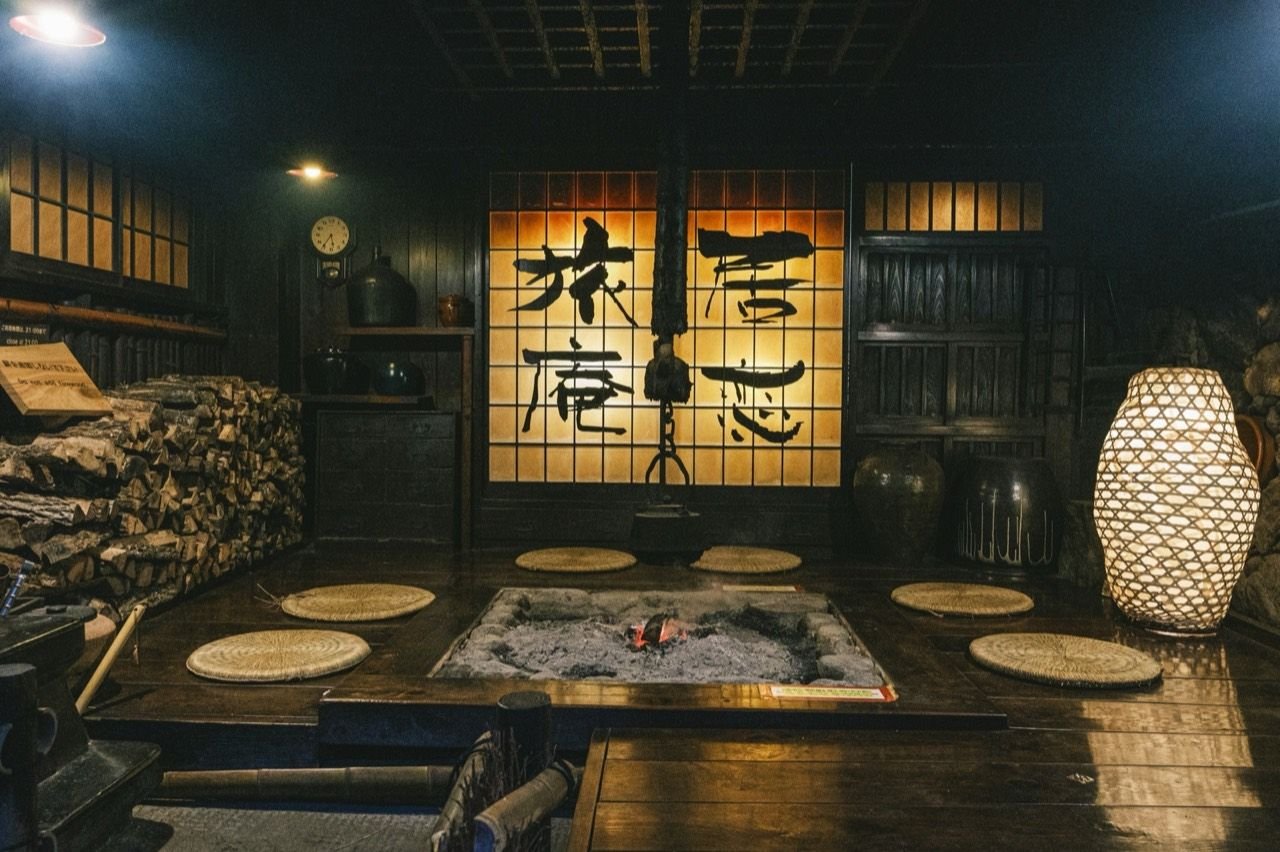
Kyushu offers some of Japan’s most interesting accommodation choices: business hotels in Fukuoka (compact, efficient, and often excellent value), onsen ryokan in Beppu where the accommodation and the bathing experience are the same product, and heritage hotels in Nagasaki with views over one of Japan’s most historically layered harbour cities. Here is a breakdown by area.
Fukuoka
Fukuoka’s accommodation is concentrated in three main areas: Hakata (around the main Shinkansen terminal), Tenjin (the city’s commercial and entertainment hub, 10 minutes from Hakata by subway), and Nakasu (the entertainment island, good for yatai stall access). There is no strong reason to choose between them - all three are well-connected.
Luxury: The Royal Park Hotel Iconic Fukuoka (from approximately ¥25,000–45,000/night) in Hakata is one of Fukuoka’s better upscale options, with high room-to-quality ratio and an 8th-floor garden terrace. The breakfast is a strong point, featuring Kyushu produce.
Luxury: Solaria Nishitetsu Hotel Fukuoka (from approximately ¥15,000–28,000/night) in Tenjin has a central location adjacent to Solaria Plaza shopping and within 5 minutes’ walk of the Canal City shopping complex. Good for city exploration on foot.
Mid-range: Cross Hotel Fukuoka (from approximately ¥11,000–18,000/night) near Nakasu has natural hot spring facilities - unusual at this price point in the city - and a contemporary design that fits between boutique and business hotel.
Mid-range: Remm Hakata (from approximately ¥9,000–14,000/night) is a well-regarded mid-range chain with ergonomic beds, blackout curtains, and excellent sound insulation. Directly connected to Hakata Station’s shopping levels.
Budget: UNIZO INN Fukuoka Tenjin (from approximately ¥7,000–11,000/night) is a business hotel that covers the basics well without frills. Clean rooms, fast Wi-Fi, convenient location for Tenjin dining.
Budget: Khaosan Fukuoka Guesthouse (from approximately ¥2,800/bed in dorms, ¥7,500–11,000 for private rooms) is a sociable hostel in a converted machiya townhouse near Tenjin. Popular with budget travellers crossing between Kyushu and Hiroshima.
Browse available hotels in Fukuoka on Booking.com to compare options in Hakata, Tenjin, and Nakasu.
Beppu
Beppu’s accommodation market is defined by onsen ryokan - traditional inns where the main selling point is access to the hot spring baths. Most quotes are per-person, including dinner and breakfast (kaiseki meals), so the headline price includes food that would otherwise cost ¥8,000–15,000 per person elsewhere.
Suginoi Hotel (from approximately ¥25,000–50,000/person with two meals) is Beppu’s flagship hotel property - a large resort-style ryokan on the hillside above the city with an outdoor terrace onsen overlooking Beppu Bay (Aqua Garden section, ¥1,600 for day-use). The scale is more resort than intimate ryokan, but the spring variety and bay views are unmatched.
Yuraku Beppu (from approximately ¥18,000–32,000/person with meals) is a quieter, smaller property in the Kannawa spring area - walking distance from the Jigoku Meguri hell tour circuit. Traditional room layouts, open-air mixed bath, and private bath options at higher room tiers.
Hotel Seashell (from approximately ¥8,000–15,000/night, room only) is a good option for visitors who want the Beppu location without the full ryokan commitment. Access to a shared natural spring bath is included. No meals, but the hotel is within walking distance of several restaurants in the central shopping area.
Yamada Bessou (from approximately ¥28,000–45,000/person with meals) is a smaller, more intimate ryokan with private outdoor baths attached to individual rooms (rotenburo rooms at a premium) - the best option for couples wanting a private bathing experience.
Nagasaki
Nagasaki’s visitor accommodation concentrates along the waterfront and in the hills near the tram network. The city is compact enough that any central hotel gives good access to the main sights.
ANA Crowne Plaza Nagasaki Gloverhill (from approximately ¥18,000–32,000/night) sits directly within Glover Garden on the hillside above the port. The location - inside a World Heritage property - and the harbour views justify the price premium over street-level hotels.
Hotel Monterey Nagasaki (from approximately ¥11,000–20,000/night) near the Oura Cathedral has a European colonial-architecture theme that fits the neighbourhood context. Clean, comfortable, and walking distance from Glover Garden and Dejima.
Hotel Forza Nagasaki (from approximately ¥9,000–15,000/night) near the city centre tram stops is a reliable business hotel option. Simple rooms but well-positioned for both the atomic bomb sites (20 minutes by tram) and the historic southern district.
Nagasaki Guesthouse Yuyu (from approximately ¥3,000/bed, ¥8,000–12,000 for private rooms) is a friendly budget option run by English-speaking staff, well-placed for the Chinatown and harbour area.
Browse available hotels in Nagasaki on Booking.com to find waterfront properties and heritage options near Glover Garden.
Kagoshima
Kagoshima has a straightforward hotel market concentrated near the main Chuo Station and along the Tenmonkan shopping arcade.
Shiroyama Hotel Kagoshima (from approximately ¥20,000–38,000/night) is perched on a forested hill above the city with clear views of Sakurajima across the bay - one of the great hotel views in southern Japan. The outdoor rooftop onsen with the volcano as backdrop is particularly striking.
City Hotel Kagoshima (from approximately ¥7,000–12,000/night) near Chuo Station is a practical budget option with good transport access for both the Shinkansen and the ferry to Sakurajima.
Base Strategy for Kyushu
Fukuoka is the logical primary base: the largest city, best transport hub, and strong food scene. Use it as a starting and ending point.
Beppu (2 nights) and Nagasaki (1–2 nights) are the most justified overnight stops given the concentrated experiences that benefit from a morning and evening. Arriving in Beppu in the afternoon, bathing in the evening, and doing the Jigoku tour in the morning before departure is the optimal rhythm.
Kagoshima (1 night) makes sense if you’re travelling the full Kyushu loop by Shinkansen - the southernmost Shinkansen terminus and a natural turning point.
Check our guide to getting around Kyushu before you fix a base, since travel times between cities shape the best choice.
This page is part of our wider Kyushu region guide, which covers the main cities and sights.