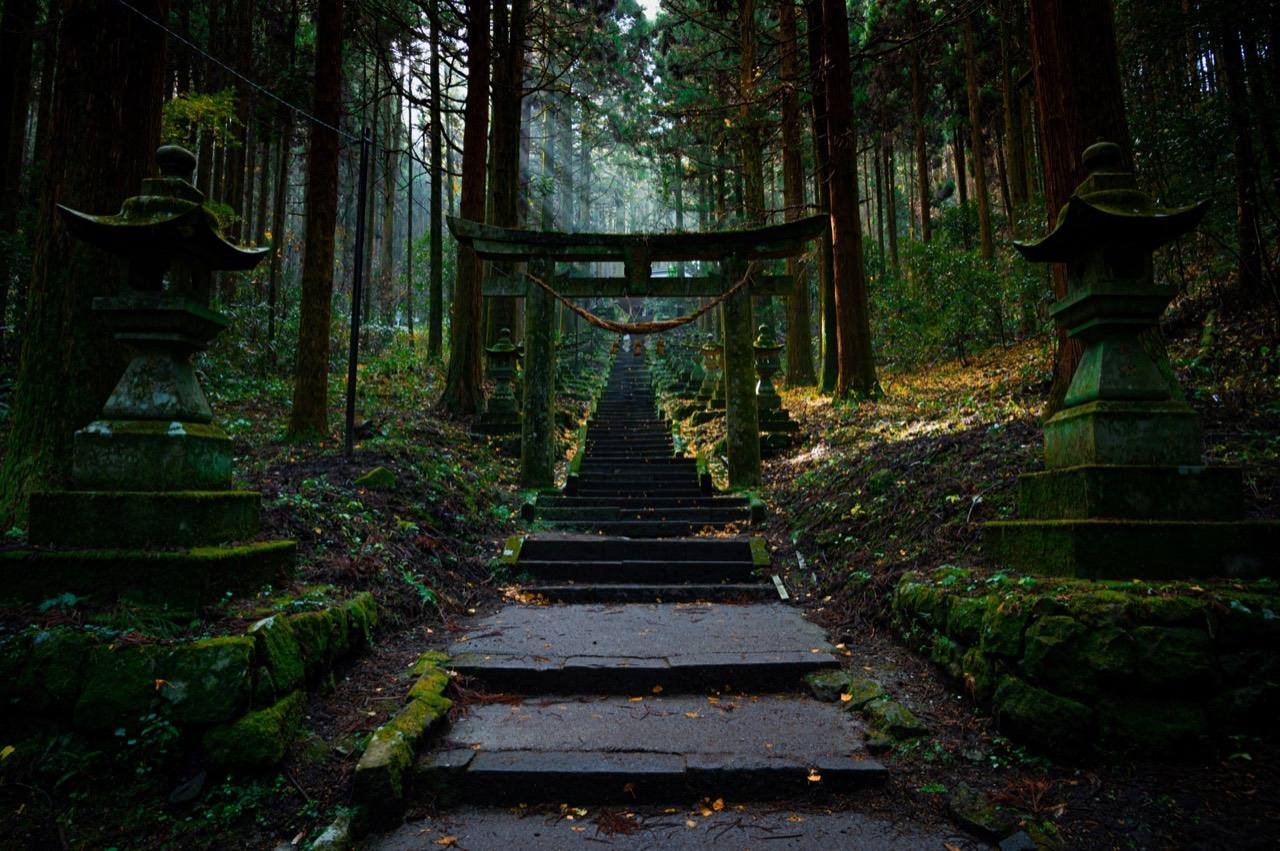
Kyushu is Japan’s third-largest island and consistently underrated by international visitors who stop at Osaka and Hiroshima without crossing to the southwest. The island has one of Japan’s finest food cities (Fukuoka), the most concentrated hot spring town in the country (Beppu), an active caldera larger than any city in Europe (Aso), and a colonial-history narrative unlike anything else in Japan (Nagasaki). Here is what to prioritise.
Fukuoka: Food, Markets and City Culture
Fukuoka is the entry point for most Kyushu trips and worthy of 2 full days on its own terms, not just as a transit hub.
Hakata Yatai (food stalls): Fukuoka’s most distinctive food experience is its 150+ outdoor food stalls, concentrated around Nakasu island and along the Tenjin waterfront. Each yatai seats 8–12 people under a canvas awning and serves hakata ramen (pork tonkotsu broth, from ¥800–1,000), yakitori skewers (¥120–250 each), and mentaiko (spicy pollock roe, the local speciality). Operating hours are approximately 6pm to 1am. This is informal evening dining at ¥1,500–3,000 per person for a full meal with one drink.
Hakata ramen: The city’s most famous export. Hakata-style ramen uses a milky white pork bone broth (tonkotsu), thin straight noodles, and minimal toppings - chashu pork, nori, spring onion, and pickled ginger. The most respected shops are Shin-Shin (Tenjin area, ¥800/bowl, queue expected), Ichiran (chain, individual booth dining, ¥980/bowl), and Ippudo (international chain’s original branch in Daimyo, ¥880–980/bowl).
Ohori Park (free) centres on a large lake in western Fukuoka with walking and cycling circuits. The adjacent Fukuoka City Museum (¥200) houses the Kin-in (the golden imperial seal that gave Japan’s name to the Han Dynasty era) among other historical artefacts.
Fukuoka Castle Ruins (free) overlook the city from a low hill in Maizuru Park. The stone foundations and partial walls remain; the view over the city and bay is worth the 10-minute walk from Ohori Park.
Nagasaki: Colonial Heritage and Atomic History
Nagasaki is Japan’s most cosmopolitan city historically - a port that remained open to foreign trade during the isolationist Edo period and the entry point for Christianity, Dutch science, and Chinese culture into Japan.
Atomic Bomb Museum (¥200 adults) covers the August 9, 1945 bombing with photographs, artefacts, and survivor testimonies. The adjacent Peace Park (free) and Hypocenter Park (free, marking the bomb’s detonation point) are part of the same visit. Allow 2 hours minimum.
Glover Garden (¥520 adults) is an open-air museum of 19th-century Western-style merchant houses preserved on a hillside with views over the harbour. Thomas Glover, a Scottish merchant who supported Japan’s industrial modernisation, built the main villa here in 1863. The garden can be done in 1.5 hours and is especially good in spring when azaleas bloom across the terraces.
Dejima (¥520 adults) is a reconstructed Dutch trading post - an artificial island where the VOC (Dutch East India Company) operated Japan’s only official foreign trade post during the Edo period (1641–1853). The museum covers the cultural and scientific exchange that took place here, including the introduction of Western medicine and astronomy.
Chinatown (Shinchi): One of Japan’s oldest Chinatown districts, operating since 1698. Most active during the Nagasaki Lantern Festival (January–February, 15 days of lantern displays coinciding with Chinese New Year - free to walk, one of Kyushu’s biggest festivals).
Beppu: Hot Springs and Hell Tours
Beppu has more hot spring sources than any other city in Japan - approximately 2,300 - and produces more hot spring water daily than anywhere outside Yellowstone. The city has built its identity entirely around this geothermal abundance.
Jigoku Meguri (Hell Tour): Seven distinctive hot spring pools, each with different mineral composition and colour, can be visited on a circuit of the Kannawa and Shibaseki districts. The combined 7-hells ticket costs ¥2,000 (adults) and covers all seven. Each “hell” takes 15–20 minutes. The most dramatic are Umi Jigoku (cobalt blue, 98°C, ¥400 individual) and Chinoike Jigoku (blood-red clay pool, ¥400 individual). A full circuit takes 2–3 hours by foot between sites or faster by rental bicycle (¥1,000/day from the tourist information office).
Public baths (kōyū onsen): Beppu has dozens of neighbourhood public baths open to visitors for ¥100–300. These are working public baths used by local residents, not tourist facilities. Takegawara Onsen (¥300 for the sand bath, ¥210 for the regular bath) is the most historically significant, operating in its current building since 1879.
Suginoi Hotel Aqua Garden (day-use ¥1,600) is an entertainment-style onsen complex with outdoor infinity baths overlooking Beppu Bay - the most dramatic setting in the city for a bath.
Mount Aso: Active Caldera and Highland Plateau
The Aso caldera is one of the largest active volcanic calderas in the world at 25km east–west and 18km north–south. The inner cone of Nakadake is Kyushu’s most accessible active volcano.
Nakadake Crater Observation Deck (free, but accessible only when volcanic activity permits - closures are frequent and unpredictable). When open, the crater viewing platform allows close inspection of the turquoise volcanic lake with sulphur gases visibly rising from the crater walls.
Aso Volcano Museum (¥870 adults) has live camera feeds into the crater, geological explanations, and exhibits on the caldera’s formation. Worth visiting even if the crater itself is closed.
Kusasenri Meadow (free) is a highland plain created in a smaller sub-crater, with horses grazing year-round against the backdrop of Nakadake’s smoke. One of the most distinctive landscapes in Japan.
Kagoshima: Sakurajima and the Satsuma Heritage
Kagoshima sits at the base of Sakurajima, one of the world’s most active volcanoes, which sends ash plumes over the city on approximately 200 days per year. The locals live with it philosophically - ash cones are sold in gift shops and umbrellas double as ash shields.
Sakurajima Ferry (¥160 each way, 15-minute crossing) connects Kagoshima to the volcanic island. The Yunohira Observation Deck (free, accessible by bus ¥150 each way) gives close views of the active crater. Footbaths fed by volcanic springs are free to use at various points around the island’s shoreline.
Sengan-en Garden (¥1,000 adults) was the summer villa of the Shimadzu clan - the feudal lords who dominated Kyushu for 800 years. The garden uses Sakurajima volcano as a borrowed landscape element, framing the active cone within the garden’s composition. Includes a museum on the Satsuma domain’s industrialisation in the 19th century.
Top Tours at a Glance
| Tour | Duration | Price (from) | Group Size | Highlights |
|---|---|---|---|---|
| Fukuoka Food & Night Market Walking Tour | 3 hrs | from $44 | Small group | Yatai stalls, hakata ramen, Tenjin street food circuit |
| Beppu Hells & Yufuin Day Tour from Fukuoka | 10 hrs | from $47 | Small group | Nine hell springs, Yufuin onsen town, scenic countryside |
| Nagasaki History Walking Tour | 2.5 hrs | from $28 | Small group | Atomic Bomb Hypocenter, Peace Park, Glover Garden |
| Aso Volcano & Takachiho Gorge Day Trip | 10 hrs | from $68 | Small group | Nakadake crater, Kusasenri meadow, Takachiho waterfall |
| North Kyushu Full-Day Tour: Motonosumi Shrine & Coast | 10 hrs | from $65 | Small group | Coastal torii gate, scenic cliffs, Akiyoshido cave option |
Browse all Kyushu tours → GetYourGuide
Plan transport with our guide to getting around Kyushu and pick a base in our Kyushu hotel guide.
This page is part of our wider Kyushu region guide, which covers the main cities and sights.