Kanto’s accommodation market is dominated by Tokyo, which has everything from world-class luxury hotels to efficiently designed budget capsule hotels. The most important decision is neighbourhood - Tokyo is vast, and staying in the right area saves significant commuting time. We also cover Hakone, which warrants an overnight stay for the onsen experience.
Kanto accommodation at a glance (approximate bands as of 2026; check Booking.com for current rates):
| Type | Area | Typical price |
|---|---|---|
| Luxury hotel | Tokyo | ¥40,000-¥180,000 per night |
| Mid-range hotel | Tokyo (Akasaka, Roppongi, Asakusa, Shinjuku) | ¥9,000-¥22,000 per night |
| Hostel dorm | Tokyo (Asakusa, Jimbocho) | ¥3,000-¥4,500 per bed |
| Capsule hotel | Shinjuku, Akihabara | ¥4,000-¥6,500 |
| Onsen ryokan | Hakone, with two meals | ¥30,000-¥120,000 per person |
Tokyo: Choosing a Neighbourhood
Shinjuku is the most central base for first-timers: direct access to the Shinkansen, multiple metro lines, and within walking distance of entertainment, shopping, and the west side parks. The downside is it’s busy and less atmospheric than historic neighbourhoods.
Asakusa has the most traditional character - temples, craft shops, rickshaws - and is the gateway to Nikko via the Tobu line. Slightly removed from the main business districts but with a strong local identity.
Ginza/Marunouchi puts you in Tokyo’s prestige shopping and business core, 2 minutes from Tokyo Station and walking distance of Tsukiji Outer Market. Premium prices; best for business travellers or those prioritising convenience.
Shibuya/Omotesando is best for the fashion-forward, art-interested, and those wanting the Shibuya Crossing experience without navigating to it. Good transport connections.
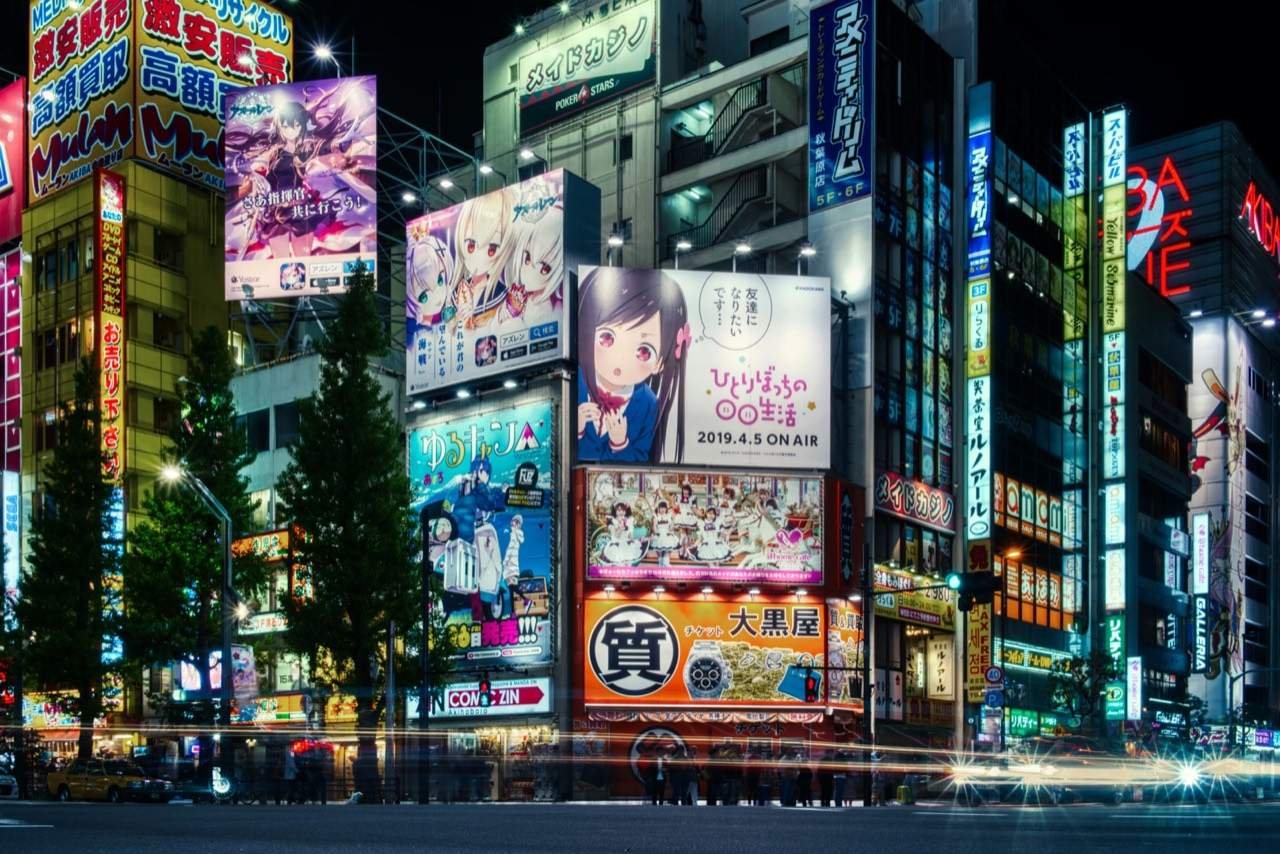
Akihabara makes sense for tech and manga enthusiasts and is close to the traditional Yanaka district for a quieter alternative.
Luxury Hotels
Park Hyatt Tokyo (from approximately ¥80,000–120,000/night), on floors 39–52 of the Shinjuku Park Tower, is one of the most iconic hotel experiences in Japan - the setting for the 2003 film Lost in Translation. The New York Bar on the 52nd floor (cover charge ¥2,200 after 8pm) has panoramic city views. Suites start above ¥200,000.
Aman Tokyo (from approximately ¥120,000–180,000/night) in the Otemachi Tower has 84 rooms averaging 74 square metres - some of the most spacious in Tokyo. The lobby’s 30-metre-high ceiling and the Japanese garden aesthetic make the public areas worth visiting even if you’re not staying.
Andaz Tokyo Toranomon Hills (from approximately ¥55,000–90,000/night) is a good option for travellers who want design-hotel energy over classic luxury formality. Rooftop bar and pool (seasonal), direct Ginza Line access.
The Tokyo Station Hotel (from approximately ¥40,000–75,000/night) is built into the 1914 red-brick station building itself. Location is unbeatable for rail connections; the heritage property is beautifully restored.
Mid-Range Hotels
Hotel Monterey Akasaka (from approximately ¥14,000–22,000/night) near Nagatacho Station has comfortable rooms with European styling and a reliable breakfast. Good for government and business district access.
Sotetsu Fresa Inn Tokyo-Roppongi (from approximately ¥12,000–18,000/night) is a business hotel chain that offers better-than-average room quality for the price, within a 10-minute walk of the Mori Art Museum.
WIRED HOTEL Asakusa (from approximately ¥14,000–22,000/night) is a design-led boutique with traditional Japanese craft references throughout. The rooftop and café are popular with locals as well as guests. Best positioned for Asakusa exploration and Tobu Nikko trains.
APA Hotel Shinjuku Kabukicho Tower (from approximately ¥9,000–15,000/night) is a typical APA property - compact rooms, very clean, excellent location in east Shinjuku. The chain’s magnetic-card system and efficient check-in are well-suited to late arrivals.
Budget Options
Khaosan Tokyo Ninja (from approximately ¥3,000–4,500/bed in dorms, ¥9,000–13,000 for private rooms) in Asakusa is a well-regarded hostel with themed rooms and a sociable atmosphere. Walking distance from Senso-ji.
Sakura Hotel Jimbocho (from approximately ¥3,500/bed, ¥9,500–13,000 for private rooms) is clean, well-managed, and located in the antiquarian bookshop district near the Imperial Palace. Popular with long-stay budget travellers.
Capsule hotels: For a specifically Japanese experience, 9hours Shinjuku (from approximately ¥4,500–6,500 for a capsule) or First Cabin Akihabara (from approximately ¥4,000–6,000 for a semi-private cabin) offer comfortable sleep in tight but well-designed spaces with shared bath facilities.
Browse available hotels in Tokyo on Booking.com to compare rooms by neighbourhood and find deals across all budget levels.
Hakone: Staying for the Onsen
Hakone is best appreciated over two days - arriving in the afternoon, exploring the volcanic areas, eating and bathing at your ryokan that evening, and returning to Tokyo or continuing west the next day.
Gôra Kadan (from approximately ¥70,000–120,000/person including two meals) is consistently ranked among Japan’s best ryokan. Originally the summer villa of a Japanese imperial family member, it has 38 rooms across traditional detached cottages. Private outdoor baths on selected rooms.
Hakone Hôtel du Lac (from approximately ¥30,000–55,000/person including dinner and breakfast) has a Western-hotel style with Japanese onsen facilities - good for first-time ryokan guests who prefer Western beds.
Hakone Tent (from approximately ¥8,500–14,000/person, meals separate) is a hostel-style guesthouse with shared onsen baths and a sociable communal dining area. Well-run and popular with younger travellers.
Browse Hakone ryokan and hotels on Booking.com to filter by onsen facilities and meal options.
Booking Tips
Tokyo hotels book out quickly during cherry blossom season (late March to early April), Golden Week (late April to early May), and autumn foliage season (mid-November). Book 2–3 months ahead for luxury and mid-range options during these windows. The JR Hotel Group, which manages several well-located properties at Tokyo Station and major terminals, allows JR Pass holders to book with a small discount.
Hakone ryokan almost always quote rates per person including dinner and breakfast (2 meals), so the headline price looks high but covers a full kaiseki dinner worth ¥8,000–15,000 per person on its own.
Check our guide to getting around Kanto before you fix a base, since travel times between cities shape the best choice.
This page is part of our wider Kanto region guide, which covers the main cities and sights.