The Kanto region centres on Tokyo but extends to some of Japan’s most rewarding day-trip destinations: feudal samurai towns, UNESCO mountain shrines, volcanic spa valleys, and the iconic silhouette of Mount Fuji from across Lake Kawaguchi. Here is a practical guide to the best experiences within easy reach of the capital.
Tokyo: Core Sights
Senso-ji in Asakusa is Tokyo’s oldest and most visited temple, free to enter at all hours. The Nakamise shopping street leading to the main gate is best before 9am when the stalls are opening and the crowds are thin. The five-storey pagoda and main hall are most atmospheric in early morning or after rain.
Tokyo Skytree (¥2,100 for the Tembo Deck at 350m; ¥3,000 for Tembo Gallery at 450m) gives the best panoramic views in the city, with Mount Fuji visible on clear winter mornings. Book timed entry tickets online to avoid the queue, especially on weekends.
teamLab Borderless (¥3,200 adults, timed entry required) is the immersive digital art museum that moved to Azabudai Hills in 2024. Book at least two weeks ahead during peak season - the most popular sessions sell out.
Shinjuku Gyoen (¥500) is Tokyo’s finest formal garden, combining French, English, and Japanese garden styles across 58 hectares. Entry closes at 4pm (last entry 3:30pm). It’s especially worth visiting during cherry blossom season (late March to early April) when the park fills for hanami parties.
Tsukiji Outer Market is free to walk through and has the densest concentration of fresh seafood vendors and street food in the city. The best stalls are active from 5am; by 10am the most popular ones have queues. Try tamagoyaki (rolled egg, ¥200–350) and fresh uni on rice (¥800–1,500).
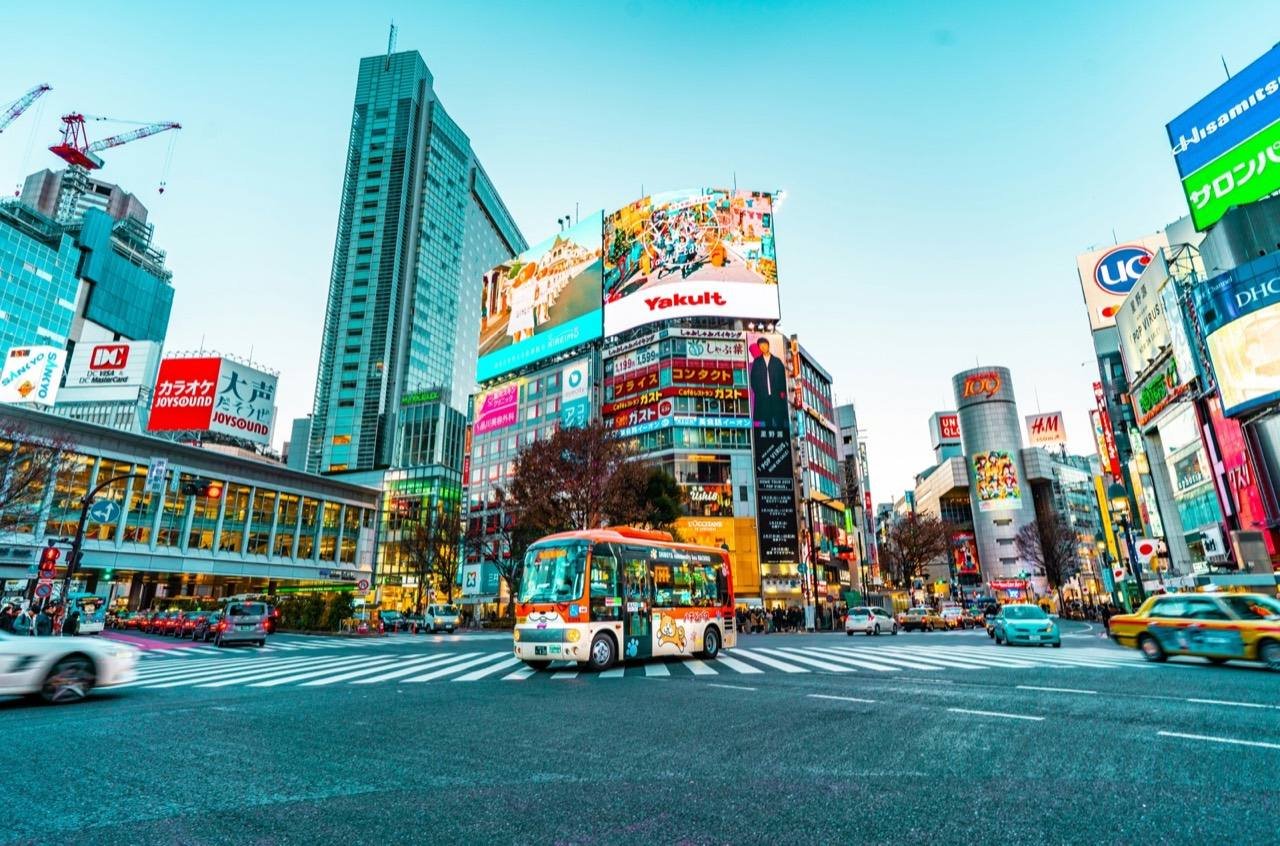
Shibuya Crossing is the world’s busiest pedestrian crossing, with an estimated 3,000 people crossing simultaneously at peak hours. The best overhead view is from the rooftop terrace at Shibuya Sky (¥2,000 timed entry), 46 floors above the scramble.
Kamakura: The Great Buddha and Coastal Temples
Kamakura is 1 hour from Tokyo by JR Yokosuka Line from Shinjuku or 50 minutes from Tokyo Station (¥920 each way). The city was Japan’s first samurai capital (1185–1333) and has more than 65 temples and shrines across its wooded valleys.
Kotoku-in’s Great Buddha (¥300 for grounds, ¥20 additional to enter the hollow interior) at 13.4 metres is the second-tallest bronze Buddha in Japan and dates from 1252. Unlike Nara’s Todai-ji Buddha, this one sits outside, making for better photographs.
Hase-dera Temple (¥400) has a 9-metre-tall gilded wooden Kannon statue - Japan’s largest wooden figure - and a cave lined with thousands of small Jizo figurines. The garden views over Sagami Bay are excellent.
Tsurugaoka Hachimangu Shrine is free to enter and sits at the end of a kilometre-long processional avenue. The shrine museum (¥200) has important samurai artefacts.
The Kamakura-Enoshima Day Pass (¥1,520) covers trains from Fujisawa and the Enoden tram, which runs along the coast to Enoshima island. Worth getting if you plan to do the full circuit.
Nikko: UNESCO Shrines in the Mountains
Nikko is 2 hours from Asakusa by Tobu Nikko Express (¥1,390 reserved, or ¥2,620 for the premium Spacia limited express). By JR from Ueno, it’s approximately 2 hours with a change and costs ¥5,560 with the Shinkansen to Utsunomiya.
Tosho-gu Shrine (¥1,300 adults, or ¥1,600 combined with Futarasan and Rinno-ji for the Nikko Pass) is the mausoleum of Tokugawa Ieyasu and one of Japan’s most ornately decorated shrine complexes. The Yomeimon Gate has 508 carvings and took two years to construct. Combined with the Rinno-ji temple complex (Sanbutsudo hall, ¥400) and Futarasan Shrine (¥200), allow a full day.
Kegon Falls (¥570 for the elevator to the base observation deck, or free from the upper platform) plunges 97 metres into a gorge 15 minutes by bus from Nikko Station. Most dramatic in autumn when the surrounding forest turns red and gold.
Hakone: Volcanic Views and Onsen
Hakone is 85 minutes from Shinjuku by Odakyu Romancecar (¥1,290 limited express surcharge on top of the base fare, total approximately ¥2,300). The Hakone Free Pass (¥7,100 from Shinjuku) covers the Romancecar, all transport within Hakone (ropeway, lake cruise, bus, Hakone Tozan Railway), and discounts on entry to key sights - it pays for itself on a 2-day visit.
Owakudani is the active volcanic zone where you can boil eggs in the sulphur vents (¥600/5 eggs, said to add 7 years to your life per egg). Accessible by ropeway (included in Free Pass). The ropeway also gives the best aerial view of Mount Fuji on clear days.
Hakone Open Air Museum (¥1,600 adults) has over 120 sculptures across hillside terraced grounds, including works by Picasso, Henry Moore, and Miro. One of the best art museums in Japan for non-art visitors because the setting makes it engaging regardless of your familiarity with modern sculpture.
Natural hot spring bathing (onsen) is Hakone’s other central activity. Day-use entry at established ryokan baths costs ¥1,000–2,000; Tenzan Tohji-kyo (¥1,300) is a popular public bath complex near Hakone-Yumoto.
Top Tours at a Glance
| Tour | Duration | Price (from) | Group Size | Highlights |
|---|---|---|---|---|
| From Tokyo: Kamakura & Great Buddha Day Trip | 8 hrs | from $52 | Small group | Great Buddha, Tsurugaoka Hachimangu, temple circuit |
| From Tokyo: Nikko Shrines & Waterfalls Day Tour | 10 hrs | from $68 | Small group | Tosho-gu, Yomeimon Gate, Kegon Falls |
| From Tokyo: Hakone Mt. Fuji View Day Tour | 9 hrs | from $72 | Small group | Owakudani, Lake Ashi cruise, Mt. Fuji panorama |
| From Tokyo: Mt. Fuji & Lake Kawaguchiko Tour | 10 hrs | from $65 | Small group | Fifth Station hike, Chureito Pagoda viewpoint |
| Tokyo City Highlights Full-Day Walking Tour | 8 hrs | from $55 | Small group | Shibuya, Asakusa, Harajuku and Shinjuku in one day |
Browse all Kanto region tours → GetYourGuide
Plan transport with our guide to getting around Kanto and pick a base in our Kanto hotel guide.
This page is part of our wider Kanto region guide, which covers the main cities and sights.