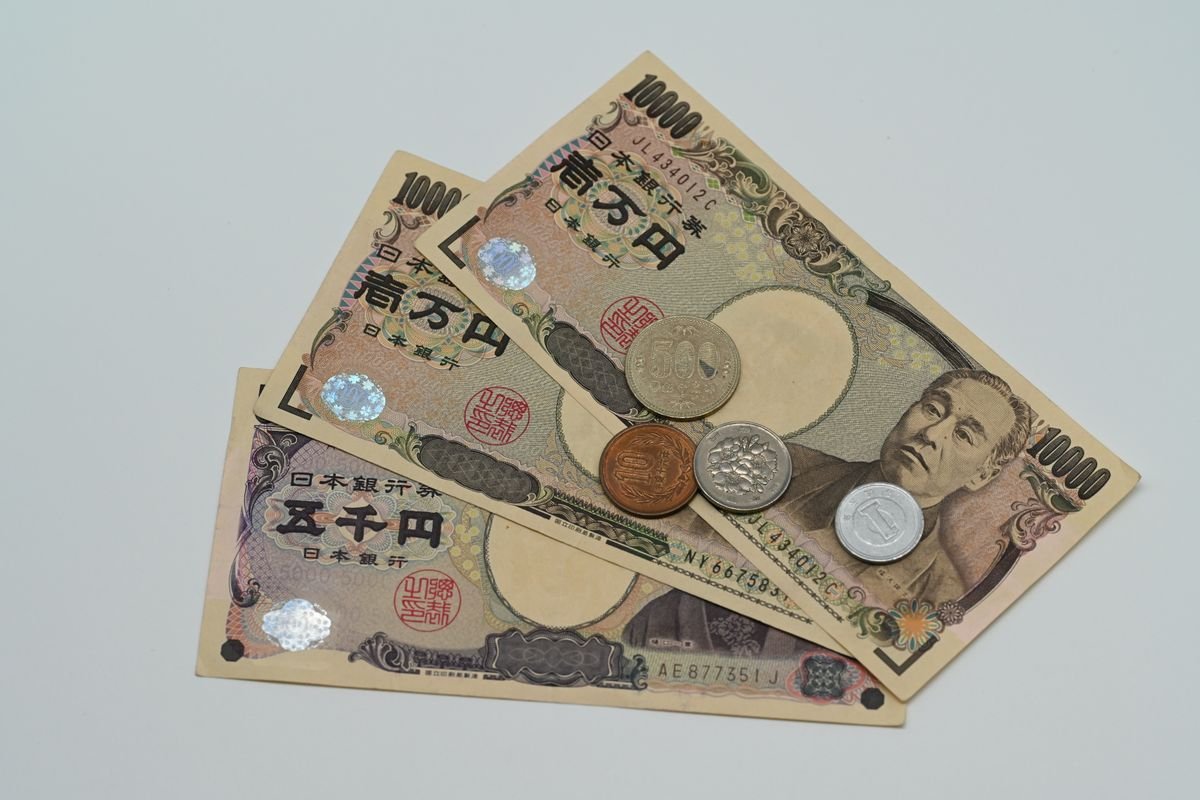
Japan surprises most visitors: it is one of the wealthiest, most technologically advanced countries on earth, yet it remains deeply cash-dependent. Vending machines accept notes, trains run on IC cards, and small restaurants often post a hand-written sign: cash only. Understanding how money works here before you land saves real hassle on the ground.
The Japanese Yen - Denominations and Basics
Japan’s currency is the Japanese Yen (JPY, symbol ¥). There are no subunits - one yen is the smallest denomination, though 1-yen coins are so low in value they are mainly used to make exact change.
Coins in circulation:
- ¥1 - lightweight aluminium, rarely used day-to-day
- ¥5 - brass with a hole, considered lucky
- ¥10 - copper, everyday use
- ¥50 - silver with a hole
- ¥100 - silver, the most common coin for vending machines and small purchases
- ¥500 - the largest coin, bi-metallic (silver and gold tones), worth approximately $3–4 USD
Banknotes:
- ¥1,000 - blue/green, features Noguchi Hideyo (scientist); most used note
- ¥5,000 - purple, features author Higuchi Ichiyo
- ¥10,000 - brown, features Fukuzawa Yukichi; the workhorse of larger payments
- ¥10,000 is roughly $65–70 USD at typical 2025–2026 exchange rates
A new note series featuring different historical figures launched in Japan in 2024, though older notes remain legal tender.
Where to Exchange Money
Airports are convenient but not always the best rate. Narita and Haneda international arrival halls have licensed exchange counters - rates are competitive enough for an initial ¥20,000–¥30,000 to cover transport and your first day.
Post offices (Japan Post) across the country offer currency exchange with reliable rates and English-language ATM interfaces - more on that below.
7-Eleven ATMs inside Seven-Bank branches are arguably the best option for most travellers. They accept a wide range of foreign cards, the fees are modest, and the machines operate in multiple languages including English, Chinese, and Korean. You withdraw yen directly at the mid-market rate from your home account.
Convenience store ATMs (Lawson, FamilyMart) also accept foreign cards at most locations - useful when you are far from a bank branch.
Avoid: hotel exchange desks (worst rates), unlicensed street exchangers (do not exist in Japan in the Western sense, but some tourist-district booths offer poor rates), and airport exchange inside the customs area before you reach arrivals.
ATMs in Japan - What to Know
Japan has a high density of ATMs, but many domestic bank ATMs do not accept foreign-issued cards. Stick to these options:
- 7-Eleven / Seven Bank ATMs - the most reliable for foreign cards. Available 24 hours in most locations. Fee: approximately ¥220 per transaction (around $1.50 USD).
- Japan Post ATMs - inside post offices, so hours are typically 9am–5pm weekdays with reduced hours on weekends.
- Citibank / SMBC ATMs - less common but foreign-card friendly.
Daily withdrawal limits vary by machine and your home bank, but ¥100,000–¥200,000 (approximately $650–$1,300 USD) per day is typical.
We recommend withdrawing larger amounts in one go to minimize fixed transaction fees. A single ¥50,000 withdrawal costs the same fee as ¥5,000.
Card Acceptance in Japan
Japan has improved significantly in recent years, partly driven by international tourism growth ahead of the 2020 Olympics and subsequent government cashless initiatives. That said, the situation in 2025–2026 is still uneven:
Cards widely accepted:
- Major department stores (Isetan, Takashimaya, Mitsukoshi)
- Convenience stores (7-Eleven, Lawson, FamilyMart) - Visa, Mastercard, JCB
- Chain restaurants (Sukiya, Yoshinoya, most sushi conveyor belts)
- Hotels and large ryokan
- Larger tourist attractions and shrines
Cash expected or required:
- Many independent ramen shops, izakayas, and local restaurants
- Smaller ryokan and guesthouses
- Rural accommodation
- Temple entry fees at smaller sites
- Taxis (though IC cards like Suica are often accepted)
- Public baths (sento and onsen)
- Local markets and street food stalls
Contactless and IC cards: Suica and Pasmo are rechargeable IC cards (like London’s Oyster) used on trains, buses, and increasingly at convenience stores. Loading yen onto a Suica card via your foreign Visa/Mastercard is straightforward at JR station machines. This covers most day-to-day transport without needing cash.
Apple Pay and Google Pay are accepted at contactless terminals in urban areas, but do not assume they will work everywhere.
Tipping in Japan
Do not tip. Tipping is not part of Japanese service culture - it can cause confusion or even mild offence. Service charges are not added to restaurant bills. The price you see is what you pay. No tip at restaurants, no tip for taxis, no tip for hotel staff. This is one of the few countries where the rule is absolute rather than advisory.
Cash vs Card: Our Recommendation
Bring cash - more than you think you will need. A week-long trip with accommodation pre-paid often still requires ¥50,000–¥80,000 (approximately $325–$520 USD) in cash for meals, transport top-ups, entry fees, and miscellaneous purchases. Rural and off-the-beaten-path destinations require even more.
Our approach:
- Exchange a small amount ($100–200 USD equivalent) at the airport on arrival to cover your first day.
- Withdraw ¥30,000–¥50,000 at a 7-Eleven ATM on your first full day.
- Keep your card for department stores, chain restaurants, and larger purchases.
- Always leave a cash buffer - running out of yen in a rural onsen town on a Sunday afternoon is not a pleasant experience.
Inform your home bank before travelling to avoid card blocks on foreign transactions.
A Note on Budget Planning
As of 2025, a rough daily cash budget (not including pre-paid accommodation):
- Budget traveller: ¥5,000–¥8,000/day (~$33–$53 USD) - convenience store meals, cheap ramen, local transport
- Mid-range: ¥12,000–¥20,000/day (~$80–$130 USD) - sit-down meals, day trips, entry fees
- Comfortable: ¥25,000+/day (~$165+ USD) - kaiseki meals, premium experiences, taxis
Japan is not as expensive as many visitors expect - especially outside Tokyo. The cash habit, once adopted, actually helps with budget discipline because you feel every yen spent. To estimate a full-trip total, see our Japan trip cost calculator.