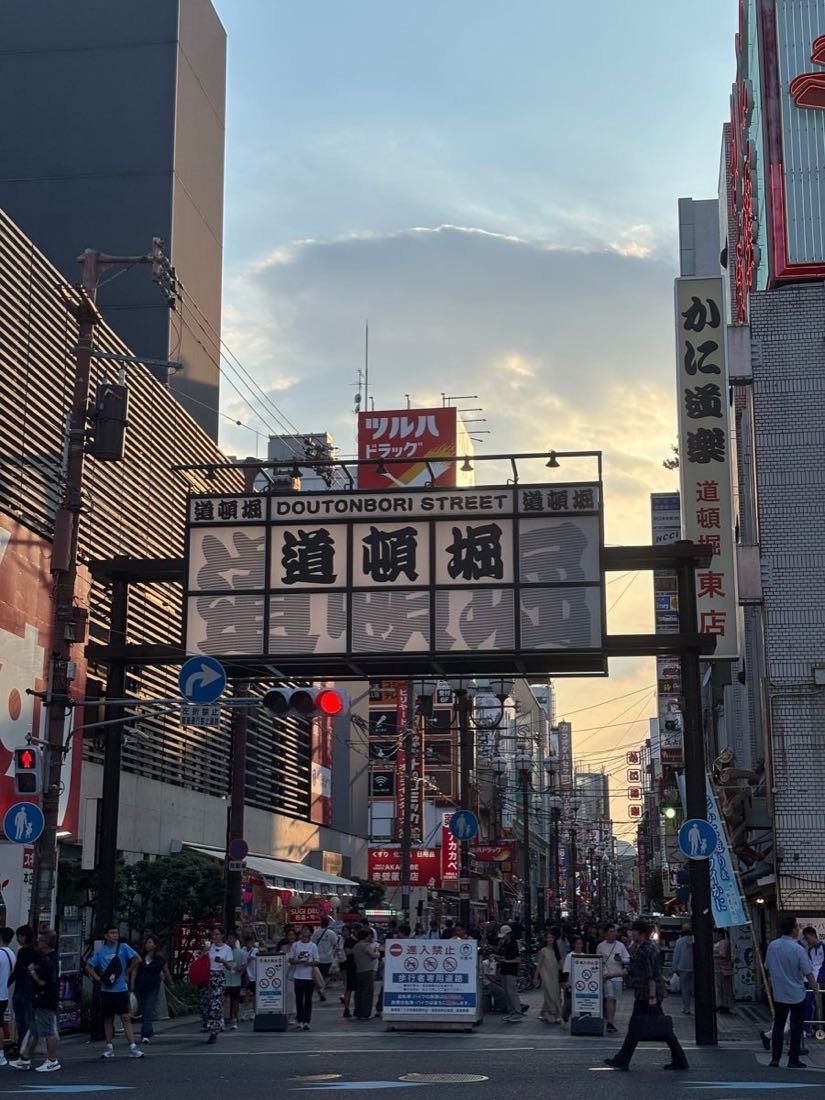
Osaka is Japan’s most straightforward major city to visit - less ceremonious than Kyoto, less expensive than Tokyo at peak times, and unambiguously great for food throughout the year. Timing still matters, though: the gap between cherry blossom season and a quiet October Tuesday is significant in terms of crowds and cost.
Quick Summary
| Season | Months | Temps (°C) | Crowds | Budget |
|---|---|---|---|---|
| Spring | Mar–May | 10–24 | ★★★★★ | High |
| Summer | Jun–Aug | 24–34 | ★★★ | Mid |
| Autumn | Sep–Nov | 14–26 | ★★★★ | Mid–High |
| Winter | Dec–Feb | 3–11 | ★★ | Low |
Month-by-Month Breakdown
January - Cold (3–10°C) and dry. Tourist numbers are low and hotel prices are at their lowest. Dotonbori is lively year-round; New Year decorations still up through January 7 (Matsu-no-Uchi). Crowds: 2/5.
February - Still cold; temperatures hover 4–11°C. Plum blossoms appear in Osaka Castle Park from mid-February. A good month to explore Osaka’s indoor food scene without queuing. Crowds: 2/5.
March - Cherry blossom excitement builds. Temperatures rise to 9–17°C. Crowds in Osaka Castle Park increase sharply from the third week of March. Crowds: 3/5.
April - Cherry blossoms typically peak late March to early April in Osaka. Golden Week (April 29–May 5) brings heavy domestic tourism. Hotels price accordingly. Crowds: 5/5.
May - Post-Golden Week Osaka quickly normalises. Late May is one of the best windows: 20–26°C, low humidity, uncrowded restaurants and attractions. Crowds: 3/5.
June - Rainy season (tsuyu) starts mid-June: warm (23–28°C), humid, overcast. Not unpleasant - Osaka’s covered Shinsaibashi shopping arcade makes rainy days easy. Crowds: 2/5.
July - Hot and humid (28–34°C). Tenjin Matsuri on July 24–25 is one of Japan’s great festivals - a river procession of boats with fireworks. Worth the heat. Crowds: 3/5.
August - Peak summer, 30–35°C. Obon week (mid-August) raises domestic travel. Sumikawa Fireworks Festival is a highlight. Crowds: 3/5.
September - Gradually cooler through the month (24–30°C early, 18–24°C late September). Typhoon risk exists but is lower in Osaka than in coastal areas. Crowds: 2/5.
October - Ideal autumn weather: 16–24°C, clear and dry. Fewer crowds than November. Autumn foliage starts at higher elevations (day trips to Minoh Park for maple trees are excellent). Crowds: 3/5.
November - Foliage peaks across the region. Minoh Waterfall autumn colour is outstanding. Crowds build from mid-month. Temperatures drop to 10–20°C. Crowds: 4/5.
December - Quickly uncrowded after mid-December. Illuminations in Namba and Umeda are atmospheric. Hotel prices fall sharply after December 10. Crowds: 2/5.
Festivals and Events Calendar
- Late March / Early April - Hanami at Osaka Castle Park and Kema Sakuranomiya Park
- July 24–25 - Tenjin Matsuri (river procession and fireworks, one of Japan’s top three festivals)
- August (mid) - Naniwa Yodogawa Fireworks Festival
- October - Osaka Autumn Leaves Festival; Osaka Marathon (October)
- November - Minoh Park illuminations; autumn foliage season
- December - Osaka Hikari Renaissance illuminations (mid-December)
Budget Tips by Season
Cheapest: January and February are the best value months. Hotels in Namba or Shinsaibashi that run ¥12,000–15,000 per night in spring often drop to ¥7,000–9,000 in January.
We compare areas and price ranges in our Osaka where-to-stay guide, and you can check Osaka hotel availability for your dates before rates climb.
Value window: Late May through early June gives you good weather at prices roughly 30–40% below cherry blossom peak.
Most expensive: Late March through Golden Week is the most expensive period. November foliage season is a secondary peak - less intense than spring but still noticeably pricier than shoulder months.
Food note: Osaka’s street food (takoyaki, okonomiyaki, kushikatsu) is priced consistently year-round. Your food budget barely changes by season - only accommodation fluctuates.
Verdict
Osaka is one of Japan’s more forgiving cities to visit year-round - its indoor food culture and covered shopping districts mean rain or heat rarely kills a day. That said, late May and October remain the standout windows: comfortable temperatures, minimal queues at popular attractions, and hotel rates well below peak. Cherry blossom season at Osaka Castle Park is worth experiencing, but book early and expect crowds. Tenjin Matsuri in late July is a specific reason to visit in summer despite the heat. Once your dates are set, Osaka tours and experiences are worth booking ahead in peak weeks.