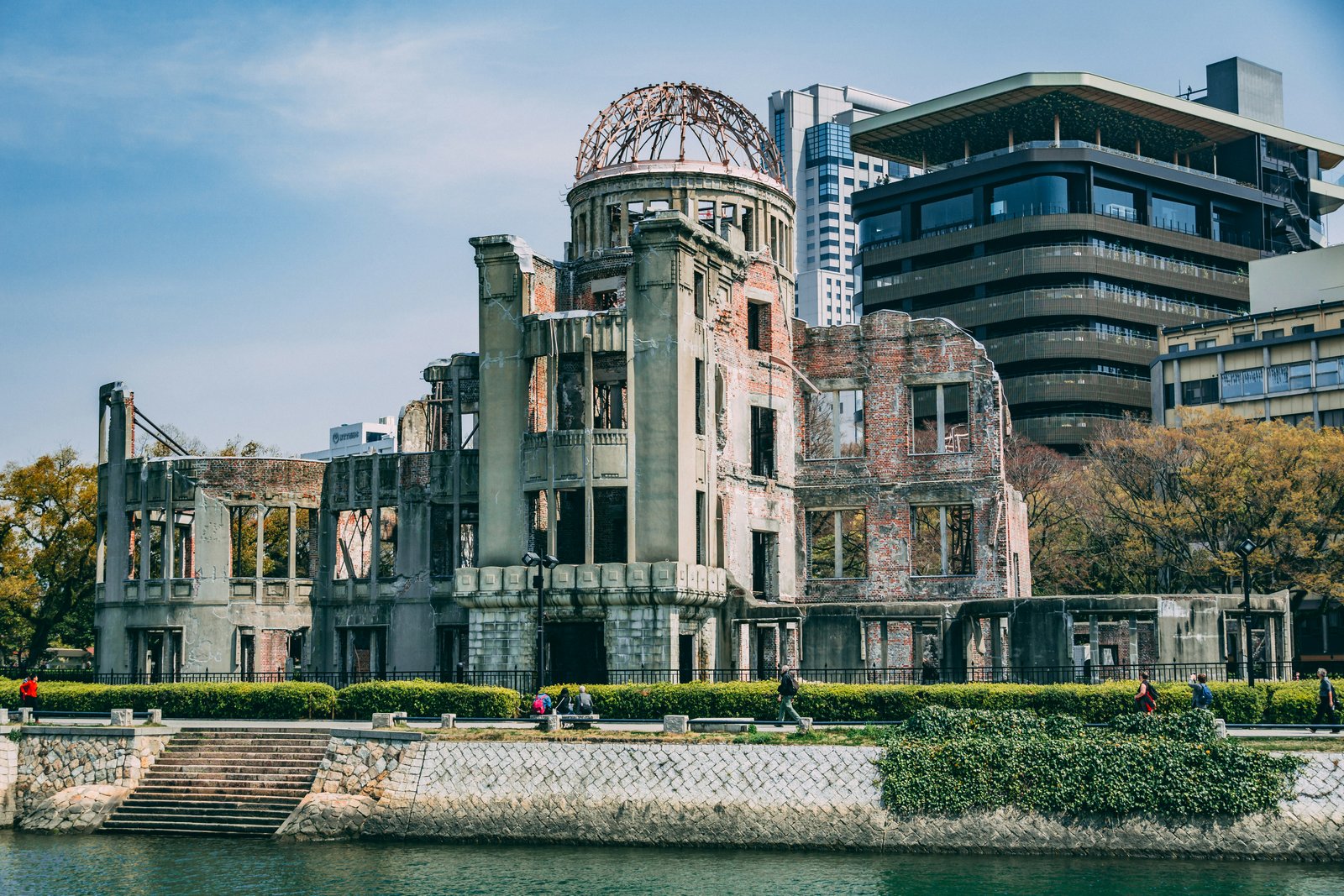
Hiroshima marked the 81st anniversary of the atomic bombing on August 6, followed by Nagasaki on August 9. Both cities held their annual peace ceremonies this week, drawing domestic and international attendees to the sites that remain central to global discussions about nuclear weapons.
Hiroshima - August 6
The Hiroshima Peace Memorial Ceremony took place at Peace Memorial Park at 8:00 a.m., with the ceremony’s defining moment - a minute of silence - observed at 8:15 a.m., the exact time the bomb was dropped in 1945. The city’s mayor delivered the Peace Declaration and the names of those who died during the past year were added to the registry of atomic bomb victims, now numbering more than 340,000.
The Genbaku Dome (Atomic Bomb Dome), a UNESCO World Heritage Site preserved as it stood after the blast, remains the anchor of any visit to Hiroshima. The Peace Memorial Museum directly beside it provides the most comprehensive account of the events of August 6 and their long-term human consequences. Allow two to three hours there.
Nagasaki - August 9
Nagasaki’s Peace Ceremony was held at Peace Park, with the moment of silence at 11:02 a.m. The city’s mayor called again for Japan to join the Treaty on the Prohibition of Nuclear Weapons - a recurring theme in Nagasaki’s official commemoration.
The Nagasaki Atomic Bomb Museum, south of Peace Park, covers both the history of the bombing and the city’s recovery. A combined visit to the museum and the nearby Urakami Cathedral - which was rebuilt after being destroyed by the blast - takes roughly half a day. Nagasaki is compact enough to cover the main memorial sites on foot.
Visiting Hiroshima and Nagasaki
Both cities are well connected by shinkansen. Hiroshima is roughly 90 minutes from Osaka and 40 minutes from Fukuoka on the Sanyo Shinkansen. Nagasaki is reached from Fukuoka’s Hakata station on the Nishikyushu Shinkansen in around 30 minutes.
The two cities are sometimes visited together over two or three days - our Hiroshima vs Nagasaki guide covers the differences in scope, atmosphere, and practicalities to help you decide where to spend more time. Both Peace Museums are open year-round; August remains the busiest month, so arriving when the buildings open is advisable to avoid queues. For guided tours of Hiroshima’s Peace Memorial and surrounding sites, browse tours in Hiroshima.