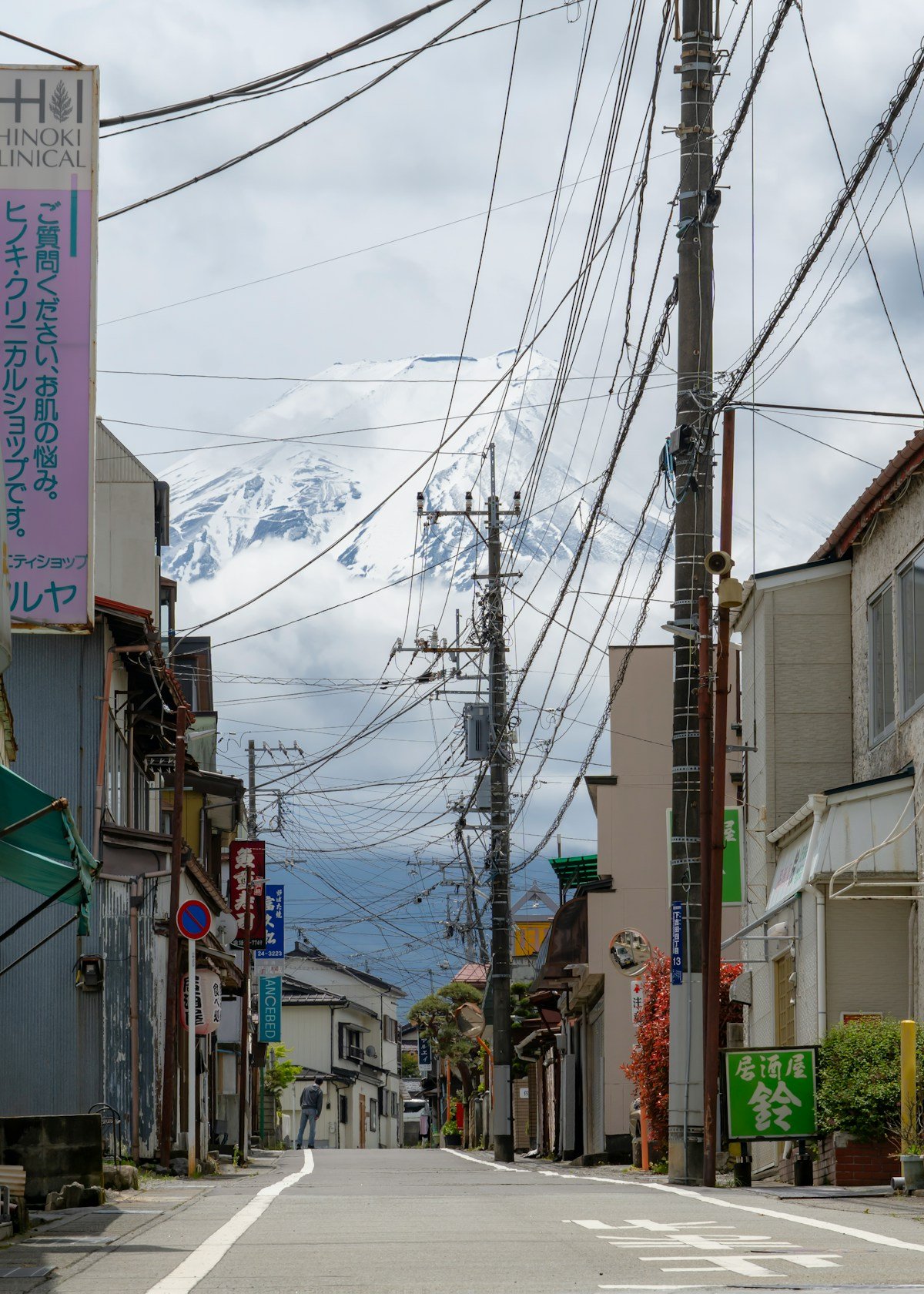
Typhoon Noul swept through the region on 27 July 2026, triggering significant disruption across Japan’s air network. Flight tracking data confirmed 1,325 delayed flights and 50 cancellations at Japanese airports on the day, with Tokyo Haneda recording the worst congestion - 634 delayed flights at a single airport.
Japan Airlines (JAL) and ANA both adjusted schedules in response to the typhoon’s passage, with some departures held on the ground and others rerouted to avoid the worst of the weather. Passengers travelling through Haneda, Narita, Osaka Kansai, and Nagoya Chubu should expect cascading delays even if the typhoon has moved on, as backlogs typically take 24–48 hours to clear after a major disruption event.
What travellers should do now
If you have a flight departing from or arriving into a Japanese airport in the next 48 hours, check your airline’s app or website before heading to the airport. JAL and ANA both offer rebooking without change fees during declared weather disruption periods - contact your airline directly or use their self-service tools online.
If your flight is cancelled, you may be entitled to compensation or a full refund under Japanese civil aviation regulations. Our guide to flight delay compensation in Japan explains what you can claim and how to apply.
Passengers with connecting flights through Tokyo or Osaka should allow extra time and confirm onward connections are protected before departing from their origin airport. Travel insurance policies that cover delays and cancellations should also be reviewed before you accept a voucher in place of a cash refund. If you need to find alternative connections, compare flights to Japan across airlines for flexible options.
Planning around typhoon season
July and August are peak typhoon season in Japan. Storms typically form in the western Pacific and track northward, affecting the southern island chain of Okinawa first before reaching Kyushu, Honshu, and sometimes Hokkaido. Disruption on the scale seen today is not unusual during this period.
If your travel dates are flexible, our things to do in Japan guides can help you restructure an itinerary around weather delays, with indoor alternatives for rainy or stormy days in Tokyo and other major cities.
If your flight was cancelled or significantly delayed as a result of this disruption, you may be eligible for compensation. Compensair handles the claims process at no upfront cost - you only pay a percentage if they succeed. It takes a few minutes to check whether your disrupted flight qualifies.
We will update this article if disruption levels change significantly over the next 24 hours.