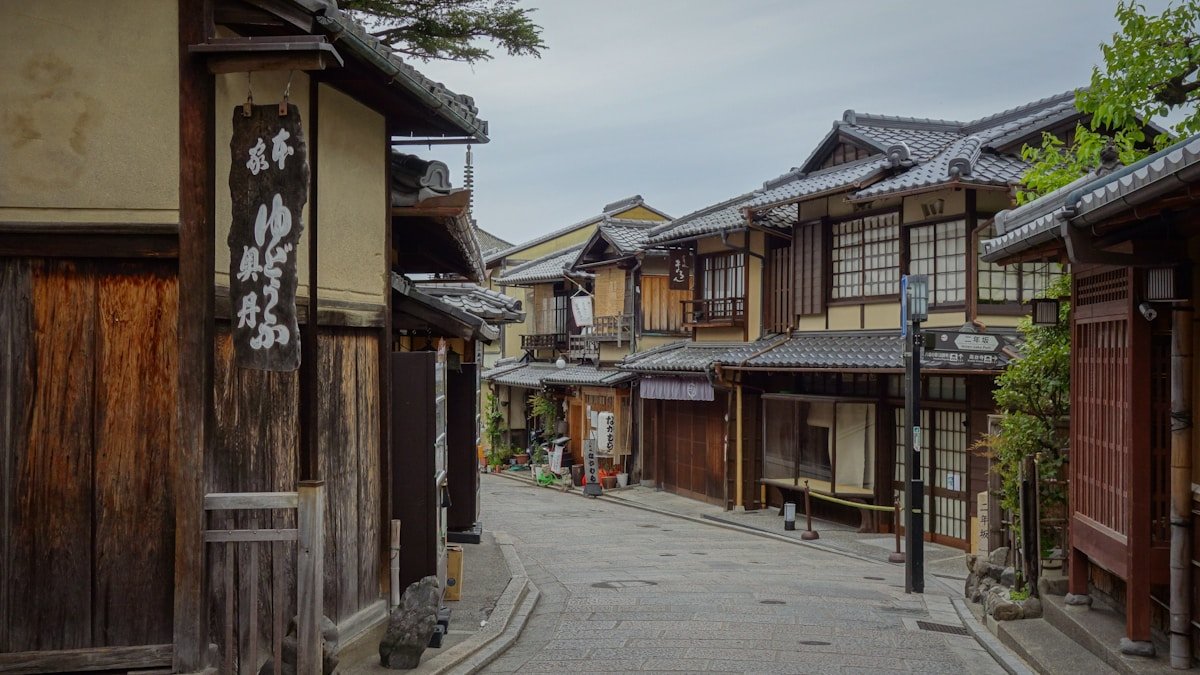
The second and final grand procession of Kyoto’s Gion Matsuri - the Ato Matsuri Yamaboko Junko - takes place on 24 July 2026, bringing the curtain down on one of Japan’s most celebrated annual festivals. If you are in or near Kyoto this week, it is one of the most spectacular free public events in the country.
The Two Parades of Gion Matsuri
Gion Matsuri is not a single-day event but a month-long series of rituals observed throughout July by Kyoto’s Yasaka Shrine. The centrepiece is the Yamaboko Junko - the procession of towering wooden floats through central Kyoto - which takes place in two stages.
The first procession, the Saki Matsuri, ran on 17 July. The Ato Matsuri on 24 July is the second, completing the cycle that has been observed, with gaps, for over a thousand years.
The Ato Matsuri route runs through the heart of old Kyoto: floats depart the Shijo-Karasuma intersection at 9:30am and move along Shijo-dori, then north up Kawaramachi-dori, turning west along Oike-dori before the procession ends around 11:50am. Spectators can watch from street level along the entire route at no cost.
Yoiyama: The Three Evening Festivals
The nights before the Ato Matsuri are known as Yoiyama - evening festivals on 21, 22, and 23 July when the floats are lit from within and displayed in the side streets of the Gion district. Lanterns are hung, vendors line the streets, and the neighbourhood fills with crowds moving between the illuminated floats.
Yoiyama is particularly atmospheric on the final evening (23 July), when the largest crowd gathers and the floats are at their most elaborately decorated. Gion’s narrow lanes are closed to traffic, turning central Kyoto into a pedestrian-only festival zone.
What the Floats Are
The Gion Matsuri floats - yama and hoko - range from single-pole constructions carried by teams of men to full wooden towers, some over 25 metres tall, pulled on wooden wheels through the city streets. Each float belongs to one of Kyoto’s traditional merchant neighbourhoods and is decorated with centuries-old tapestries, many imported from China, India, and the Middle East.
Some floats carry musicians playing traditional flutes and drums; the music, known as kon-chiki-chin, is heard throughout the Yoiyama evenings and during the procession itself.
Practical Information
- Ato Matsuri parade: 24 July, 9:30am–11:50am, Shijo-Karasuma → Kawaramachi → Oike
- Yoiyama evenings: 21, 22, and 23 July from late afternoon into the evening
- Free to watch along the public streets; some viewing stands near the starting point are ticketed
- Crowds: arrive early for the best viewing position along the route; the Oike-dori stretch tends to be less congested than Shijo
For guides to the rest of Kyoto’s unmissable experiences - from Fushimi Inari and Arashiyama to temple circuits - see our things to do in Japan section. If you are planning a longer visit around the festival, our Japan itineraries include multi-city routes built around seasonal events. For a guided walk through the Gion district and Kyoto’s historic temples, GetYourGuide’s Kyoto tours include evening cultural experiences and lantern-lit walking routes.
Gion Matsuri, recognised as an Important Intangible Folk Cultural Property of Japan, is one of the country’s three great festivals alongside Osaka’s Tenjin Matsuri and Tokyo’s Kanda Matsuri. The parade on 24 July marks its close for another year.