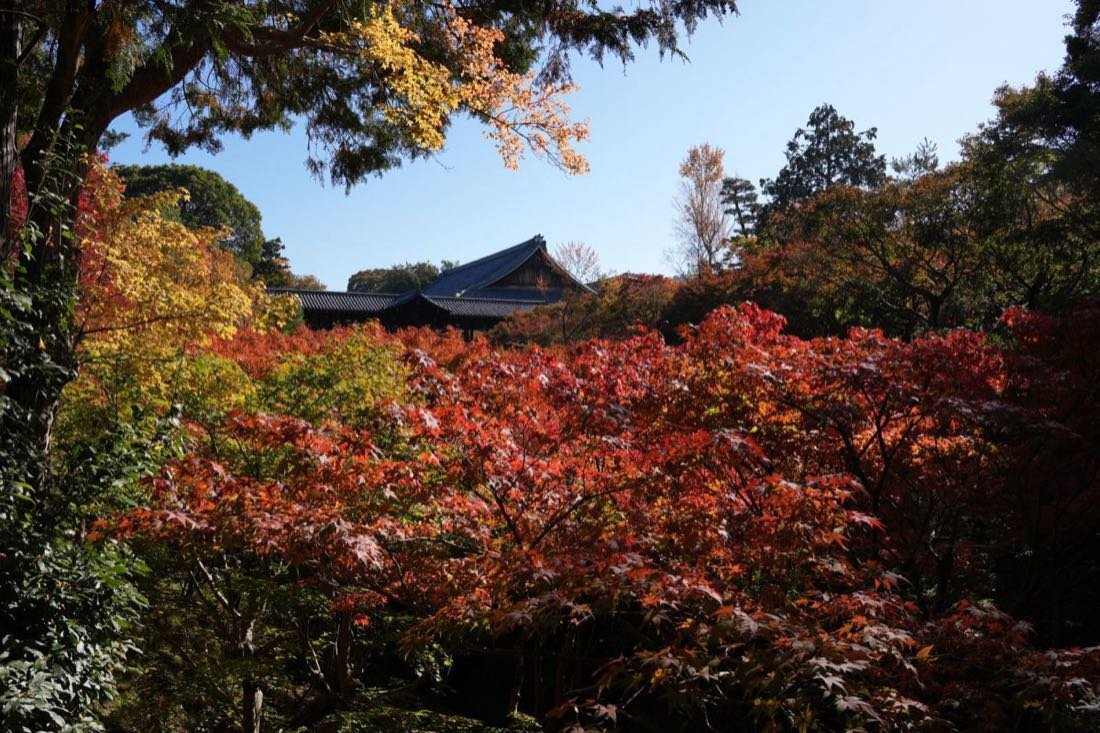
October is Japan’s quiet peak. The crowds are smaller than April, the temperatures are perfect for full days outdoors, and in the north and mountains the autumn foliage is genuinely spectacular. Get the route right and October delivers some of the best colour you will see anywhere in the world - at a fraction of the spring rush.
Early October: Hokkaido at Its Peak
Hokkaido’s foliage runs from late September through mid-October. By October 1st, the national parks are hitting peak colour, and by the 10th many mountain areas are starting to fade. If Hokkaido is on your list, prioritise the first ten days of October.
Daisetsuzan National Park is Japan’s largest national park and the first place in the country to see autumn colour each year. The ropeway from Sounkyo ascends into the heart of the park, where the alpine meadows above 1,600 metres turn gold, crimson, and burgundy simultaneously. The descent through birch and maple woodland extends the colour zone down to the valley floor. Entry to the ropeway costs approximately ¥2,200 return for adults.
Shikotsu-Toya National Park surrounds two volcanic calderas an hour south of Sapporo. Lake Shikotsu is ringed by maple-covered slopes that mirror the colour perfectly on still mornings. The drive between the lake and Noboribetsu Hot Springs passes through stands of Mongolian oak that turn bright orange in the first week of October.
Practical details: Sapporo to Sounkyo is approximately 3 hours by bus. JR passes cover the main Hokkaido rail lines but the national park areas require buses. Rent a car from Sapporo if you want to move between areas efficiently - it makes a significant difference.
Mid-October: Nikko and the Japanese Alps
Once Hokkaido begins to fade, the foliage front moves south into Tochigi Prefecture and the Japanese Alps. Mid-October - roughly October 12th to 25th - is prime time for both.
Nikko, Tochigi Prefecture, has approximately 8,000 maple trees on the mountain slopes above the UNESCO World Heritage shrines. Ryuzu Falls, where the Yutaki River descends through maple woodland, turns blood red by mid-October. The approach road to Nikko’s famous waterfalls - the Iroha-zaka switchbacks - is lined with maples that peak around the 15th to 20th.
Key Nikko sites and approximate costs:
- Nikko’s Tosho-gu Shrine (main complex): ¥1,300 adults
- Ryuzu Falls viewpoint: free, 20-minute walk from bus stop
- Lake Chuzenji shore walk: free
- Kegon Falls (elevator to base): ¥570 adults
Nikko is 2 hours from Tokyo by limited express Spacia X train (¥4,810 reserved seat to Nikko, from Asakusa). Day-trippers arrive by 9am; overnight visitors get the morning light before the coaches arrive.
The Japanese Alps and Kamikochi in Nagano Prefecture peak from mid-October onward. Kamikochi itself - the floor of the Azusa River valley - sees the larches and dwarf birch turn gold against a backdrop of 3,000-metre peaks. The valley closes for winter on November 15th, so October is the final window for mountain hiking. Entry to Kamikochi requires a bus transfer from Sawando (private vehicles are banned); return bus approximately ¥2,000.
The Tateyama Kurobe Alpine Route crosses Toyama Prefecture at altitudes above 2,400 metres. By mid-October the higher sections are already post-foliage, but the mid-altitude sections around Bijodaira (1,930 metres) peak in colour. The full transit from Toyama to Omachi (or reverse) takes a full day and costs approximately ¥13,000. Book the Tateyama ropeway ticket early - they release timed-entry slots that sell out on weekend dates.
Late October: Central Honshu and First Colour in Tokyo
From October 20th onward, the foliage front reaches the mid-altitudes of the Kiso Valley and the outskirts of Tokyo.
The Kiso Valley (Nagano Prefecture) is a 50-kilometre post town route through forested mountains. Tsumago-juku and Magome-juku are the most photographed stops - preserved Edo-period posting towns where the wooden facades are framed by maple and zelkova trees beginning to turn amber in late October. The 8-kilometre walk between them along the old Nakasendo highway is one of the most rewarding day-hikes in Japan; entry to the towns is free.
Tokyo in late October is not yet at full foliage, but Shinjuku Gyoen National Garden and Meiji Jingu Gaien begin to show colour. Shinjuku Gyoen charges ¥500 per adult and is worth visiting even before the full colour hits - the French garden section produces early colour from the ginkgo trees.
Hakone in late October offers a preview of the foliage season, with the open-air museum and lake shore beginning to colour up. Hakone is always worth the overnight stop for the ryokan experience and the views of Mount Fuji, which become clearer in the dry autumn air.
Accommodation: Sounkyo Onsen for the Daisetsuzan Core, Nikko Town Before Day-Trippers, Kyoto Early
- Hokkaido: Sapporo hotels give the most transport flexibility, with day-trip access to the national parks. Sounkyo Onsen (Daisetsuzan) has a handful of hot spring hotels and puts you in the heart of the best colour.
- Nikko: One or two nights in Nikko town lets you beat day-trippers to Ryuzu Falls and the Iroha-zaka. Rates are reasonable outside the final full-October weekend.
- Kyoto: Book Kyoto hotels early for late October - November rates are already in effect at many properties from the 25th.
Advance Bookings: Tateyama Ropeway, Torokko Train, and Nikko’s Three-Day Weekend Crunch
The non-negotiable advance bookings for October:
- Tateyama Kurobe Alpine Route - book the ropeway timed-entry as soon as slots release
- Sagano Scenic Railway (Torokko) in Arashiyama - sells out 2–3 weeks ahead for autumn weekends
- Nikko accommodation on three-day weekend dates (Sports Day falls on the second Monday of October)
- Sounkyo Onsen hotels - there are limited options and they fill for early-October weekends
Transport: JR Pass for the Main Spine, Rent a Car in Hokkaido to Reach the Best Viewpoints
A 14-day JR Pass (approximately ¥70,000 as of 2026) covers the Shinkansen from Tokyo to Osaka and limited express trains on most major Hokkaido and Honshu routes. Supplement it with a Hokkaido rail pass if you are spending the first week entirely in Hokkaido.
If you want flexibility in Hokkaido’s national parks, rent a car from Sapporo or Chitose Airport - it halves the travel time between key sites and opens up viewpoints unreachable by bus.
Packing for 7°C Hokkaido Mountains and 23°C Tokyo in the Same Trip
October temperatures range from 7°C in Hokkaido mountains to 23°C in Tokyo. Pack:
- A waterproof outer layer for mountain areas
- Warm mid-layer for Hokkaido and Alpine areas (below 10°C)
- Light layers for Tokyo and Kyoto (still 15–22°C)
- Comfortable walking shoes for gorge trails and shrine paths - many are unpaved
Rain is infrequent in October (the typhoon season tapers off by early October), but the mountains create their own weather. Check the Daisetsuzan weather forecast 24–48 hours before ascending.
October in Japan rewards planners. Lock down Hokkaido and Nikko accommodation early, keep flexibility in the second half of the month for weather windows in the Alps, and leave Kyoto for the November extension if time allows.