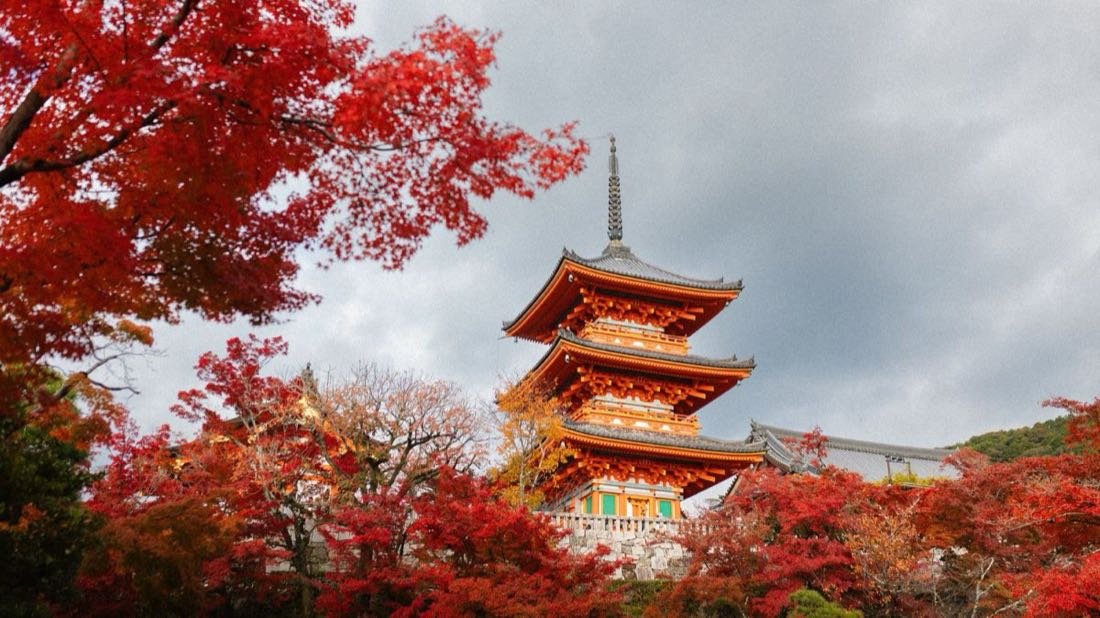
November is Japan’s koyo (紅葉) season. Autumn foliage sweeps south from October’s Hokkaido and mountain peaks, arriving at Kyoto and Nara in full force by the third week of November. The result is some of the most photographed scenery in the world - red and gold maple canopies over ancient temple rooftops. This guide covers the best spots, specific entry fees, peak timing, and practical strategies for visiting without letting the crowds dominate your trip.
When Exactly Does Koyo Peak in November?
The Japan Meteorological Corporation (JMC) publishes an annual koyo forecast from early October. Based on historical patterns, peak colour generally lands:
- Nikko, Tochigi Prefecture: Late October to early November (already tailing off by mid-November)
- Hakone, Kanagawa: Early to mid-November (Owakudani area, mid-altitude)
- Tokyo parks: Mid to late November (Shinjuku Gyoen, Hamarikyu, Koishikawa Korakuen)
- Kyoto and Nara: Third week of November - the big-ticket period
- Arashiyama (Kyoto): Mid to late November
- Hiroshima and Miyajima: Late November into early December
In a warm autumn, Kyoto’s peak slides toward November 25th to December 5th. In a cooler year, peak arrives as early as November 12th to 18th. Check the JMC forecast (jmari.media.or.jp) after early October for that year’s specific prediction.
The Best Koyo Spots in Kyoto - Entry Fees and Timing
Tofukuji Temple
Tofukuji in the Higashiyama district is consistently ranked as Kyoto’s finest single koyo destination. The Tsutenkyo corridor bridge offers a bird’s-eye view of approximately 2,000 maples filling the gorge below - the colours run from deep crimson at the leaf tips to gold at the base, with the stone foundations of the temple buildings visible through the canopy.
Entry: ¥600 standard garden admission, plus ¥1,000 for the Tsutenkyo bridge during the November koyo period (typically November 1 to late November). Combined admission ¥1,600. Peak: Usually November 18th to 30th. Timing: Arrive before 8am on weekdays. On weekends from mid-November, queues form before 9am and the bridge becomes shoulder-to-shoulder by 10am. Tofukuji is open from 8:30am (reduced to 08:00 during peak season).
Eikando Zenrinji
Eikando sits on the Philosopher’s Path in the Nanzenji area. The temple’s pagoda rises above maple woodland and is one of the most iconic koyo photographs in Japan. In the evening, the temple runs a paid illumination (raifuku) from 17:30 to 21:00 through much of November.
Entry: ¥600 daytime admission; ¥1,000 for the evening illumination. Peak: Mid to late November. Tip: The evening illumination is genuinely magical - the lit maples reflected in the garden pond. Book through the temple’s website in October for guaranteed access.
Kiyomizudera Temple
Kiyomizudera on the eastern hills of Higashiyama runs its own autumn illumination (夜間特別拝観) for three separate periods in November. The main hall’s wooden stage overlooks a sea of lit maples descending toward the city.
Daytime entry: ¥500 adults (¥200 for children under 15). Evening illumination: ¥400 additional (runs from sunset to 21:00 during the November special period - check the temple’s schedule as dates vary slightly each year). Peak colour: Usually matches Kyoto’s overall peak: third week of November.
Arashiyama District
Arashiyama’s foliage peaks slightly later than central Kyoto’s temples - usually November 20th to December 5th. The area along the Oi River below Togetsukyo bridge and the maple-lined paths around Jojakko-ji temple are the standouts.
Tenryuji garden charges ¥500 for the garden, ¥800 to include the main hall. The garden’s pond is perfectly framed by maples at full colour. Tenryuji runs special autumn illuminations on selected evenings in late November - tickets approximately ¥1,000, bookable via the temple’s site.
Practical tip: Come before 8:30am or after 4pm when the tour groups thin out. The Randen tram from Shijo Omiya makes Arashiyama easy to reach early.
Philosopher’s Path
The 2-kilometre canal-side path from Ginkakuji to Nanzenji is free to walk and lined with cherries in spring and maples in autumn. In November it connects Eikando, Honen-in, and Anraku-ji - each worth a detour for their individual garden colour. The path itself peaks mid-to-late November and is at its quietest before 8am and after 4:30pm.
Outside the Main Circuits: Lower Crowds, Equal Colour
Ohara Village (45 minutes north of Kyoto by bus): Sanzen-in garden (¥700 adults) sits in a cedar forest setting. The autumn colours here in early to mid-November slightly predate Kyoto’s main peak. Jakkoin and Shorin-in are nearby and add depth to a half-day visit. Ohara sees a fraction of the visitor numbers of the main Kyoto sites.
Kibune (30 minutes from Demachiyanagi by Eizan Railway): The small river valley village of Kibune has maple-lined banks and traditional riverside restaurants (kawadoko, literally “river floor” dining) through November. Entry to the valley is free; the restaurants price individual kaiseki meals from approximately ¥5,000.
Rurikoin, Yamashina: Rurikoin opens for viewing only in spring and autumn - the November viewing period runs approximately November 1st to December 10th. Entry is ¥2,000 per person, by appointment only, booked through the temple’s official site. The reflection of the maple garden in the lacquered table inside the study is among the most reproduced images of Kyoto autumn. Capacity is tightly controlled so it never crowds; book 4–6 weeks ahead.
Tokyo in November
Tokyo’s foliage peaks mid to late November, 5–10 days after Nikko but simultaneous with Kyoto. If you are basing yourself in the city, search Tokyo hotels early. The best free or low-cost spots:
Shinjuku Gyoen National Garden: ¥500 adults. 65 hectares with a formal French garden, Japanese garden, and greenhouse. The ginkgo avenue turns clear gold by November 20th. Open until 16:30 (last entry 16:00).
Hamarikyu Gardens: ¥300 adults. A former shogunal duck-hunting ground at the mouth of the Sumida River. The contrast of the old pine and maple gardens against the surrounding skyscrapers is striking. Peak colour late November.
Koishikawa Korakuen: ¥300 adults. Tokyo’s oldest surviving Edo-period garden, near Tokyo Dome. The pond garden is intimate and manageable in an afternoon.
Nikko in Early November
If your trip starts in early November, Nikko offers spectacular colour before the Kyoto season peaks. The Yutaki and Ryuzu Falls area peaks approximately October 25th to November 10th. By November 15th the main colour has faded, though the Cedar Avenue and shrine precinct remain photogenic through the month.
Tosho-gu Shrine complex: ¥1,300 adults (includes Yomeimon gate and main hall). Ryuzu Falls viewpoint: Free. The falls itself is a 30-minute bus ride from Nikko station. Lake Chuzenji: The lakeside walk is free. Chuzenji Onsen has a handful of hot spring hotels good for an overnight stay.
Hakone in November
Hakone between Tokyo and the foot of Mount Fuji peaks in early to mid-November at mid-altitudes (600–900 metres). The Owakudani volcanic valley area and the Sengokuhara pampas grass fields turn in October-early November. The open-air museum garden holds its colour into mid-November. November is one of the best months for clear Mount Fuji views - the autumn air clarity is excellent.
Hakone Open-Air Museum: ¥1,600 adults. Worth a half-day even outside peak colour. Hakone Ropeway: ¥3,000 return. The crossing above the Owakudani geothermal area offers sweeping views of the surrounding colour-change.
What to Book Before You Go
November requires advance planning in a way October does not:
- Kyoto hotels - book 3–4 months ahead for the third and fourth weeks of November. Prices increase 30–50% above the October baseline during peak koyo.
- Rurikoin autumn viewing - fill from weeks ahead; book October at latest
- Eikando evening illumination - sells out; book via temple website after October
- Sagano Scenic Railway - autumn weekends sell out 2–3 weeks ahead
- Ryokan in Hakone and Nikko - October booking for November dates is ideal
Getting Between Kyoto, Nikko, and Tokyo
The Japan Rail Pass (7-day at approximately ¥50,000) covers the Shinkansen between Tokyo and Kyoto, the Kyoto–Nara route (JR Nara Line), and the limited express from Ueno to Nikko (via the Spacia to Tobu-Nikko on a separate Tobu Railway ticket of ¥1,390). If you are spending more than 7 days and including Hiroshima and Miyajima, a 14-day pass (approximately ¥70,000) covers the full route.
November Weather
Tokyo: 10–18°C. Dry and clear, excellent walking weather. Evenings require a jacket. Kyoto: 7–16°C. Crisp mornings, mild afternoons. The temperature drop compared to October is noticeable - bring a warm mid-layer. Hokkaido: 0–8°C. By November, snow is possible in the mountains and in Sapporo by late month. Not a foliage trip by November - Hokkaido is finished.
The dry autumn air produces some of the clearest Mount Fuji views of the year in mid-November. If you are combining a Fuji area visit with Kyoto, plan the Fuji leg first (late October or early November) and Kyoto for the third or fourth week.
November is the most competitive month to visit Kyoto - and also the most spectacular. Book accommodation early, target weekday mornings at the main sites, and use the Ohara and Kibune alternatives to find moments of quiet in one of Japan’s most densely visited seasons.