Hokkaido is Japan’s last wilderness frontier - an island larger than Ireland with less than a twentieth of the country’s population, a serious ski industry, extraordinary seafood, and landscapes that shift dramatically between winter and summer. The activities here are overwhelmingly outdoors-driven, seasonal, and spread across large distances. Planning by season matters more here than almost anywhere else in Japan.
Sapporo: Food, Beer and the Snow Festival
Hokkaido’s capital is the natural starting point for most trips. Odori Park (free) runs 1.5km through the city centre and becomes the centrepiece of the Sapporo Snow Festival in early February - when teams from around the world build enormous snow and ice sculptures that can stand 15 metres tall. The festival is one of Japan’s biggest winter events and draws approximately 2 million visitors over 7 days. No entry fee; the main Odori venue is outdoors.
Sapporo Beer Museum (free for self-guided tour, ¥800 for a tasting set of three beers) is the oldest beer brand in Japan, founded in 1876 at this original factory site. Worth 1–2 hours including the tasting.
Nijo Market is Sapporo’s central seafood market, open daily from approximately 6am. Hairy crab (kegani, seasonal, approximately ¥3,000–8,000 per crab), snow crab (zuwaigani, ¥2,500–5,000), salmon roe (ikura) donburi (¥1,500–2,500), and uni (sea urchin) are the standout purchases. This is not a tourist performance - it’s a working wholesale market with a retail row adjacent.
Hokkaido Shrine (free) in Maruyama Park is Sapporo’s most significant Shinto complex and particularly lovely during cherry blossom season (late April to early May - several weeks later than Honshu) and autumn foliage (mid-October).
Niseko: World-Class Powder Snow
Niseko has one of the highest snowfall rates of any ski resort on earth, with an annual average of 15 metres of light powder. The four interconnected resorts (Hanazono, Grand Hirafu, Higashiyama, and Annupuri) share a lift pass system and offer 61 groomed runs plus extensive backcountry access.
Day lift pass: approximately ¥9,000–12,000 in peak season (January–February), ¥7,000 in shoulder periods (December, March). Equipment rental (skis/snowboard + boots) from the resort base areas: approximately ¥4,000–7,000/day. Ski school group lessons (half-day): approximately ¥5,000–8,000 including lift pass.
The village around Grand Hirafu has expanded significantly with international restaurants, izakayas, and après-ski bars. The Niseko night skiing (until 9pm, included in full-day pass) is popular given the consistent powder conditions.
Non-skiers visiting Niseko can access snowshoeing tours (approximately ¥4,000–6,000 for a 2-hour guided walk), dog sledding experiences (¥3,500–5,000/30 minutes), and the nearby Rusutsu Resort (also good for non-ski outdoor activities).
Furano and Biei: Lavender and Patchwork Hills
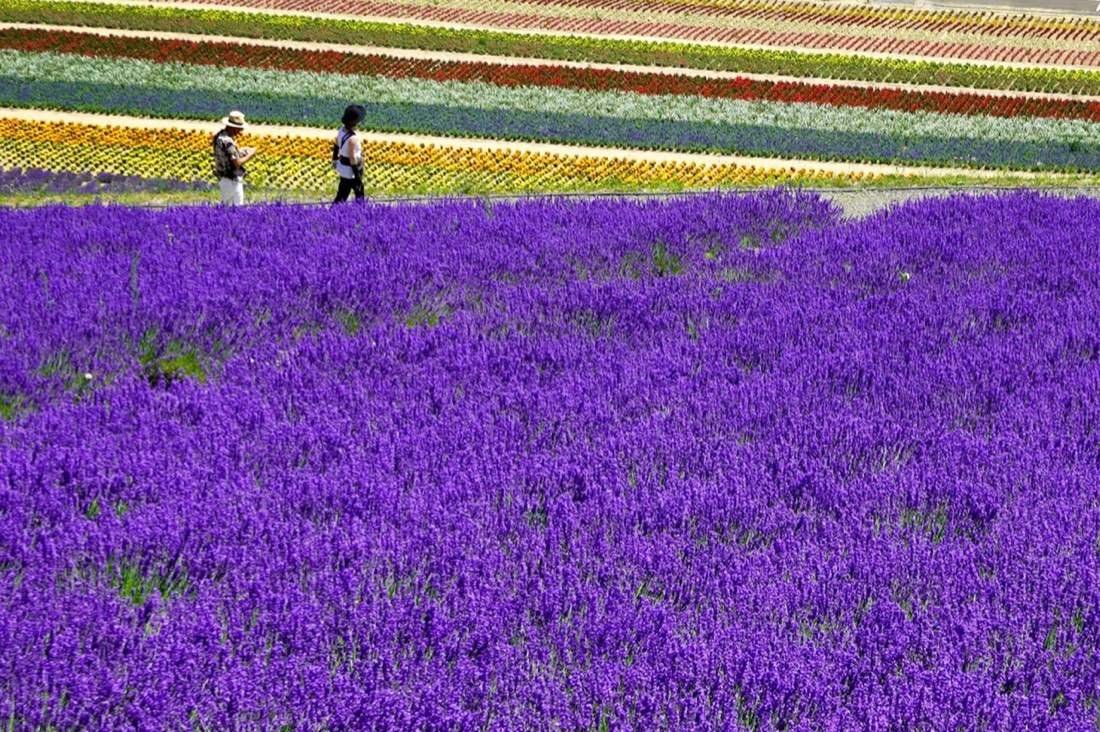
The Furano-Biei area is Hokkaido’s summer showpiece, drawing visitors from July to August for its lavender fields, flower farms, and rolling patchwork agricultural landscapes.
Farm Tomita (free entry to flower fields) in Nakafurano is the most famous lavender farm, with fields in bloom roughly mid-July to late July. The farm sells lavender-based products (ice cream ¥350, essential oils, cosmetics) and has multiple flower colour sections across its grounds. Arrive before 9am or after 4pm to avoid the tour buses.
Shikisai-no-Oka (free entry) in Biei has over 30 different flower species arranged in rows across a hillside - a broader and less crowded alternative to Farm Tomita.
Biei Patchwork Road is a 20km cycling or driving route through the rolling agricultural hills that inspired numerous Japanese paintings and photographs. Bicycle rental in Biei: approximately ¥1,500/half-day, ¥2,500/full day. The route is entirely unpaved in sections - a mountain bike or e-bike is preferable.
The Furano-Biei area is accessible by JR (seasonal Furano-Biei Norokko Train in summer, ¥540 from Furano to Biei) or by rental car, which is significantly more flexible for the scattered farmland sights.
Daisetsuzan: Japan’s Largest National Park
Daisetsuzan National Park covers 2,267 square kilometres of volcanic mountain plateau in the centre of Hokkaido - larger than Luxembourg. Entry to the park itself is free; access costs depend on transport.
The main hiking bases are Sounkyo Gorge (accessible by bus from Asahikawa, approximately ¥2,100 one way) and Asahidake (accessible by bus from Higashikawa). The Asahidake ropeway (¥2,900 return) lifts hikers to the 1,600m plateau for the most accessible high-altitude walks in Hokkaido. Autumn colours arrive in Daisetsuzan 3–4 weeks before Sapporo - mid to late September - making it an excellent early-autumn destination.
Noboribetsu: Hot Springs and Hell Valley
Jigokudani (Hell Valley) is Noboribetsu’s volcanic steaming landscape of bubbling mud pools and sulphur vents. Free to walk through; the viewing trail takes about 40 minutes. The Oyunuma Pond - a boiling grey lake that discharges hot spring water into a river - is 10 minutes further along the trail and less visited.
The town has over 11 types of hot spring water emerging from the same source, the largest variety of any onsen town in Japan. Day-use bathing at the major ryokan is generally ¥800–1,500 for access to their baths. Dai-ichi Takimotokan (day-use ¥1,800) has the largest bathing complex in the town with 35 indoor and outdoor pools.
Shiretoko Peninsula: UNESCO Wilderness
Shiretoko is Japan’s most remote UNESCO World Heritage area, at the northeastern tip of Hokkaido. The peninsula’s rocky coast is one of the southernmost points on earth where drift ice (ryuhyo) appears in winter (February–March).
Shiretoko Five Lakes (¥250 entry fee to the high boardwalk from May to late June, free at other accessible times; guided-only access ¥5,000 during bear-activity season) is the most visited inland hike. The lakes reflect Shiretoko’s mountains and have a strong chance of wildlife encounters including brown bear, red fox, and Steller’s sea eagle.
Boat tours from Utoro harbour (¥5,000–8,000 for a 90-minute coastal cruise; ¥15,000+ for the 3-hour cape tour) give access to sea caves and waterfall cliffs unreachable on foot, and frequently include whale, orca, or brown bear sightings along the cliff edges.
Top Tours at a Glance
| Tour | Duration | Price (from) | Group Size | Highlights |
|---|---|---|---|---|
| Sapporo: Hokkaido, Noboribetsu & Lake Toya Day Tour | 10 hrs | from $46 | Small group | Hell Valley, Lake Toya caldera, onsen town |
| Sapporo: Biei Blue Pond & Furano Lavender Day Trip | 9 hrs | from $47 | Small group | Blue Pond, lavender fields, Shirahige Waterfall |
| Sapporo: Asahiyama Zoo & Blue Pond Day Trip | 9 hrs | from $47 | Small group | World-famous Asahiyama Zoo, Biei scenery |
| Sapporo Food & Craft Beer Walking Tour | 3 hrs | from $55 | Up to 8 | Sapporo ramen, Hokkaido seafood, local craft beer |
| Hokkaido Niseko Ski & Snowboard Tour | Full day | from $120 | Small group | Niseko powder snow, guided ski day, mountain access |
Browse all Hokkaido tours → GetYourGuide
Plan transport with our guide to getting around Hokkaido and pick a base in our Hokkaido hotel guide.
This page is part of our wider Hokkaido region guide, which covers the main cities and sights.