9–10 October 2026
Takayama Autumn Festival (Hachiman Matsuri)
Takayama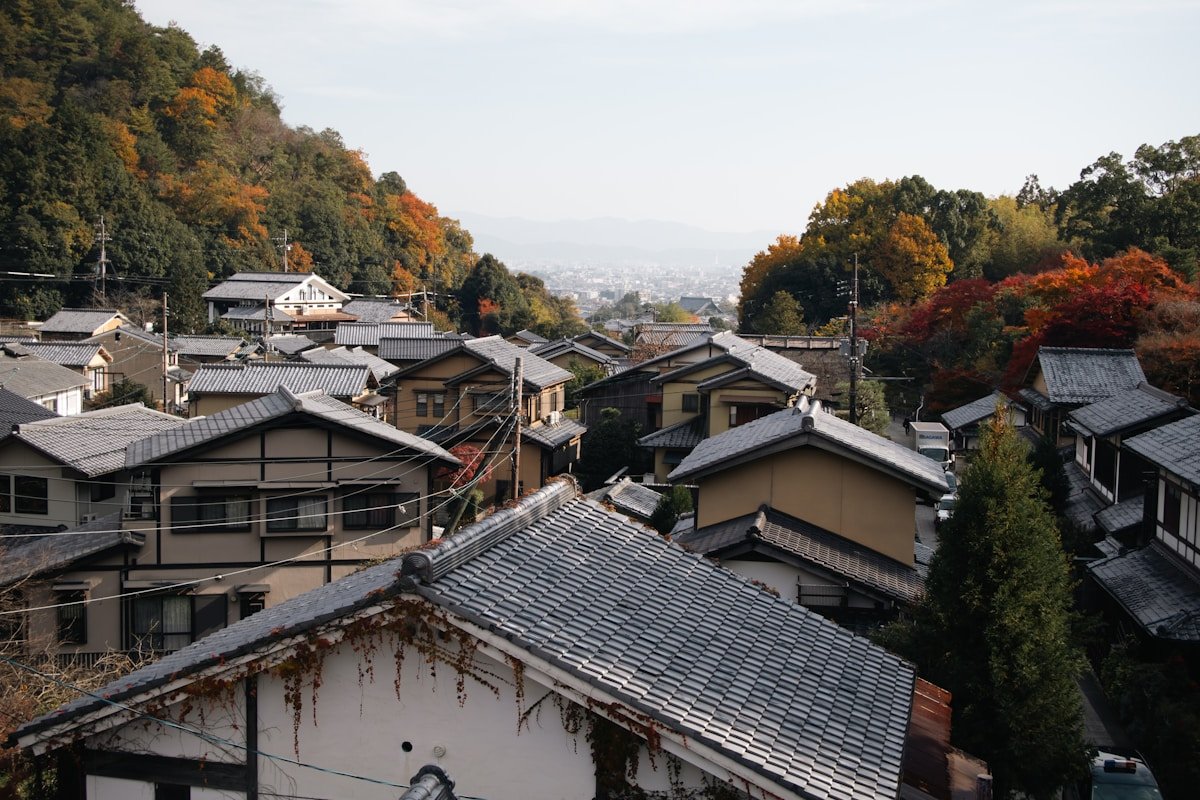
Takayama Autumn Festival 2026, 9–10 Oct. Eleven yatai floats with karakuri puppets through Takayama's Edo-era streets. Evening lantern procession.
Event details
- Date
- 9–10 October 2026
- Location
- Takayama
The Takayama Autumn Festival (Hachiman Matsuri) is one of Japan’s most celebrated regional festivals, recognised by UNESCO as part of Yama, Hoko, Yatai float festivals in Japan - Intangible Cultural Heritage of Humanity. Held on 9 and 10 October at Sakurayama Hachimangu Shrine, it brings eleven enormous yatai floats through the Edo-period streets of Takayama’s old town (Sanmachi Suji), each one an architectural object in its own right, decorated with gold and lacquer work, silk curtains, and elaborate wood carvings accumulated over centuries of community craft.
The Yatai Floats
The eleven autumn festival floats are distinct from the twelve that appear at the Takayama Spring Festival (held in April). Each belongs to a particular neighbourhood association and is stored year-round in a dedicated float house (yatai-gura) in the old town - several of these storage buildings are open to visitors outside festival season.
The floats range from two to four storeys in height and are pulled through the streets on wooden wheels, steered around corners by teams in happi coats using ropes and wooden wedges in the same manner as Kyoto’s Gion Matsuri floats. What distinguishes Takayama’s yatai are the karakuri - mechanical puppets, some with up to 36 strings, that perform acrobatic routines on platforms attached to the float structure. The Hotai-tai float features a puppet that somersaults; the Kinryu-tai puppet climbs a pole. These automata were engineered by Edo-period craftsmen and represent the highest point of traditional Japanese mechanical art.
The Evening Lantern Procession
The most atmospheric moment of the festival is the yomatsuri on the evening of 9 October. Paper lanterns are lit on all eleven floats and the yatai move in procession through the old town after dark, accompanied by flute and drum music. The sight of these vast, glowing structures moving slowly through the narrow lanes of the preserved Edo townscape - with the Northern Alps as a backdrop if the weather is clear - is one of the most distinctive festival experiences in Japan.
The procession begins at Sakurayama Hachimangu Shrine at approximately 6pm and the floats return around 8:30pm. Temperatures in Takayama in early October drop to 10-13°C by evening, making the lantern procession more comfortable to watch than summer festivals.
Where to Watch and Getting There
The float procession routes run through the streets around Hachiman Shrine and the Sanmachi Suji historic district. The best positions for the daytime procession are along Kokubunji-dori and the streets directly approaching the shrine. For the evening lanterns, the lanes of the old town are narrow enough that almost any position gives a close view of the passing floats.
Takayama is reached from Nagoya by the JR Hida limited express (approximately 2 hours 30 minutes) or from Matsumoto by the JR Azusa/Shinano service and transfer (around 2 hours). Accommodation in Takayama - primarily traditional ryokan and machiya guesthouses - books out months ahead for the October festival weekend; the spring festival (14-15 April) draws equally large crowds. Visitors who cannot secure Takayama accommodation sometimes base themselves in Gero Onsen (40 minutes south by train) and travel up for the day.
Practical Notes
Admission to the festival precincts is free. The Takayama Festival Floats Exhibition Hall (Matsuri no Mori), about 10 minutes by car from the old town, displays replicas of the festival floats at 1:1 scale and demonstrates the karakuri puppet mechanisms daily - useful context both before and after the live event (entry approximately 900 yen as of 2026).
Book an experience
Book tours for Takayama Autumn Festival (Hachiman Matsuri)
Guided experiences with free cancellation on most bookings
Planning a visit to Takayama?
See our full Takayama travel guide