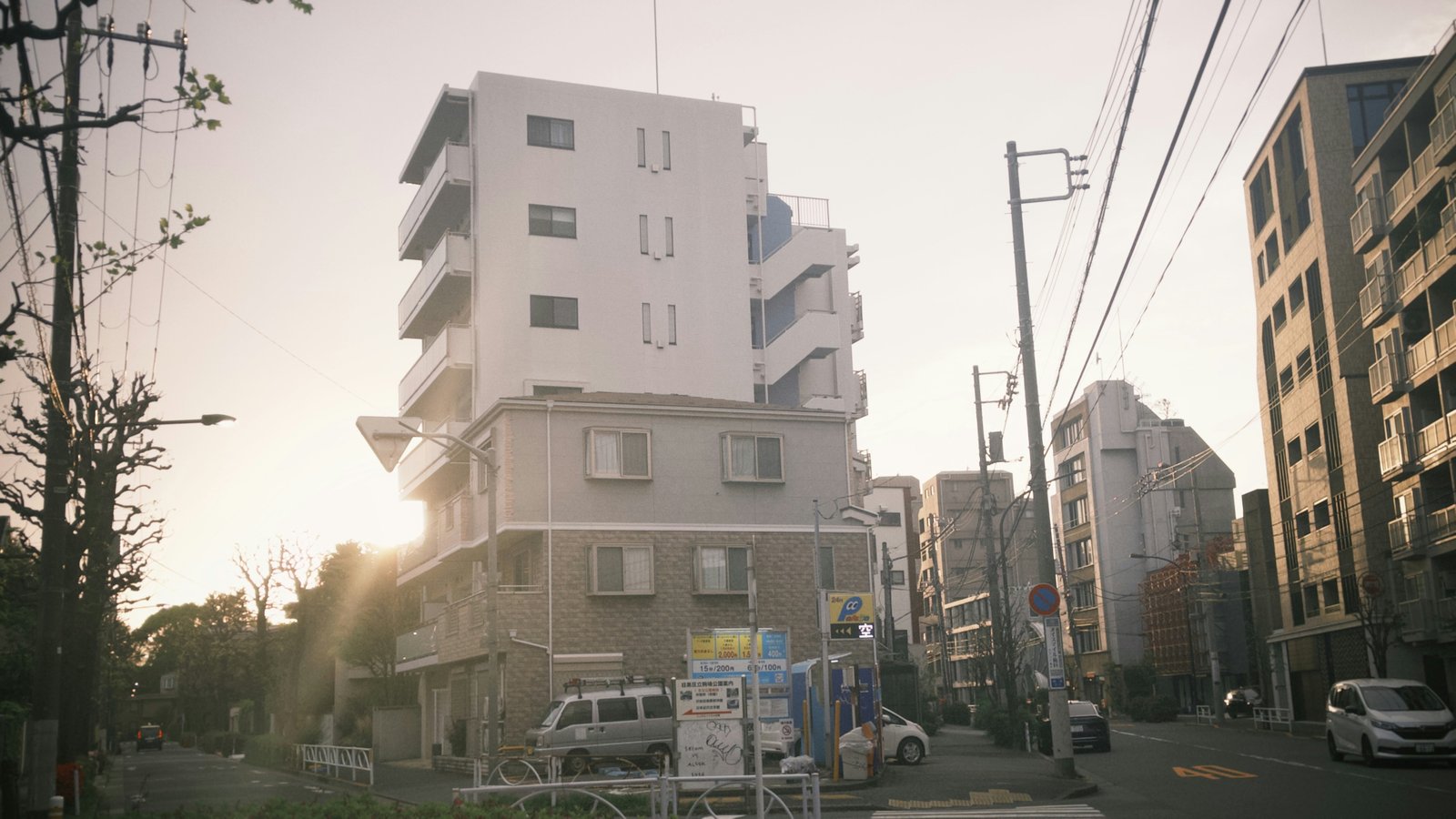
A week in Tokyo is enough to find your footing; a month is enough to start feeling like a local. Whether you’re here for an extended holiday, a work assignment, or a trial run as a digital nomad, Tokyo’s accommodation market has more options for longer stays than most visitors realise. Beyond hotels, a well-developed sector of serviced apartments, share houses, and weekly-rate business hotels makes extended stays practical at almost any budget.
Choosing Your Neighbourhood
Tokyo’s size is the first challenge. Picking the right base saves significant commuting time and shapes the tone of your whole stay.
Shinjuku is the most connected node on the rail network — every major line stops here, and Haneda and Narita are both within 45 minutes. The west side (Nishi-Shinjuku) is dominated by office towers and business hotels, which tend to offer competitive weekly rates. The east side (Kabukicho and Takashimaya Times Square area) is livelier, noisier, and packed with eating options. Weekly rates at mid-range business hotels here run approximately ¥55,000–90,000 per week; monthly rates at serviced apartments in the area range from ¥180,000–350,000.
Shibuya / Daikanyama / Nakameguro suits creative workers and younger long-termers. Nakameguro has a high density of cafés with strong wifi, good independent restaurants, and a canal-side atmosphere that genuinely rewards a longer stay. It’s expensive — monthly serviced apartment rates start around ¥200,000 and run higher — but the neighbourhood quality justifies it for many.
Asakusa / Ueno offers a more traditional atmosphere, excellent transit connections, and lower prices than the western wards. Monthly rates for serviced apartments here start around ¥140,000, making it one of the better-value choices for longer stays while remaining close to central Tokyo. Ueno also has the highest concentration of budget weekly hotels.
Akihabara / Kanda sits between Ueno and Shinjuku on the Yamanote Line, with excellent shinkansen access via Tokyo Station. MIMARU has a well-regarded property here. A good choice for digital nomads who need central access to multiple business districts.
Meguro / Gotanda / Shinagawa appeals to those who prioritise the south side of the city — good for meetings in Osaki, quick Shinkansen access, and slightly calmer than Shinjuku or Shibuya. Monthly rates here are competitive, often 15–20% less than equivalent properties in Shibuya.
Serviced Apartments
Serviced apartments are the most practical option for stays of two weeks or more. They include kitchen or kitchenette facilities, weekly linen changes, and wifi — reducing daily costs considerably compared to a hotel.
MIMARU Tokyo operates several properties across the city (Akihabara, Ueno, Shinjuku, and others). Purpose-built for extended family and group stays with full kitchens, washing machines, and generous space. Weekly rates start from approximately ¥100,000 for a standard unit; monthly rates from ¥280,000. Booking.com lists all MIMARU Tokyo properties with live availability.
Search MIMARU and serviced apartments in Tokyo on Booking.com to compare current rates.
Oakwood Hotel & Apartments Azabu Tokyo is in Minami-Azabu, one of Tokyo’s most premium residential addresses. Monthly rates start from approximately ¥450,000 for a studio and rise significantly for two-bedroom units. Well-suited for corporate relocations or executives who need a polished address.
Citadines Shinjuku Tokyo offers studio and one-bedroom apartments with kitchenettes in the heart of the Shinjuku transport hub. Monthly rates from approximately ¥260,000–380,000, inclusive of utilities and housekeeping services twice a week.
Fraser Residence Nanpeidai Tokyo in Shibuya is a higher-end option with pool and fitness facilities, targeting extended corporate stays. Monthly rates from approximately ¥380,000 for a studio.
Extended-Stay Business Hotels
Japanese business hotel chains offer significantly better weekly and monthly rates than their nightly price suggests. Most have laundry facilities and some have shared kitchens or convenience store access that substitutes for a kitchen.
Dormy Inn properties across Tokyo (Shinjuku, Akihabara, Shibuya) offer natural hot spring baths, late-night ramen service, and competitive long-stay rates. Weekly rates from approximately ¥42,000–65,000 depending on location and room size. The Akihabara and Jinbocho locations are popular with working long-termers.
APA Hotel has an extensive Tokyo network. Weekly rates from approximately ¥38,000–58,000. Rooms are small but well-designed for solo extended stays, with efficient desks and storage. The Shinjuku and Ginza locations have compact kitchenettes in some room types.
Tokyu Stay properties offer “studio” rooms with washing machines and full-length mirrors, designed specifically for longer stays. Weekly rates from approximately ¥55,000–80,000 at central locations including Shibuya, Shinjuku, and Ginza.
Browse extended-stay hotels in Tokyo on Booking.com and filter by minimum nights to find monthly rates.
Share Houses
For budget long-termers — especially solo travellers staying a month or more — Tokyo’s share house market offers furnished rooms in residential buildings with shared kitchens, living rooms, and utilities included.
Sakura House is the largest English-language share house network in Tokyo, with properties in most wards. Monthly rates typically ¥55,000–95,000 per month inclusive of utilities, internet, and basic furnishings. No Japanese language skills required for the application process.
Tokyo Sharehouse and borderless house operate similar models with a community emphasis, often targeting international tenants specifically. Prices are comparable to Sakura House.
Share houses are not typically listed on Booking.com and require direct applications through the operator websites. Useful for stays of one month or more; most require a security deposit equivalent to one or two months’ rent.
Digital Nomad Areas and Co-Working Access
Shibuya / Daikanyama has the highest density of independently owned cafés with reliable wifi — Onibus Coffee, Log Road Daikanyama, and the Tsutaya Books complex all work well for a few hours. Co-working spaces: WeWork Daikanyama, Basis Point Shibuya.
Shinjuku has strong co-working infrastructure around Nishi-Shinjuku: WeWork Shinjuku, Work Styling at the Sumitomo Building, and the co-working floor at Park Hyatt (available to non-guests by day pass).
Akihabara / Jimbocho is quieter, cheaper, and has a concentration of technology and publishing businesses. Good for focus work. Basis Point Akihabara is a reliable co-working option.
Harajuku / Omotesando works for creative and fashion industry workers. Café density is high, and WeWork Minami-Aoyama is a short walk from Harajuku station.
Practical Notes for Long Stays
- Pocket wifi vs SIM: For stays over three weeks, a monthly data SIM from IIJmio or Mineo (around ¥1,500–2,500/month for 15–20GB) is cheaper than rental pocket wifi. Most serviced apartments include wifi but speeds vary.
- Grocery costs: A realistic monthly grocery budget for home cooking in Tokyo is ¥40,000–60,000 for one person eating well. Local supermarkets in residential areas (Precce, Marusho, Inageya) are considerably cheaper than convenience stores.
- Transport pass: If you’re working from a fixed location, a monthly rail pass on your most-used line costs approximately ¥8,000–14,000 and quickly recoupes its cost.
- Laundry: Most serviced apartments have in-unit machines. Business hotels typically have coin laundry (¥200–300 per wash). Share houses have shared machines.
Approximate Monthly Costs (Accommodation Only)
| Type | Monthly Rate |
|---|---|
| Share house (single room) | ¥55,000–95,000 |
| Business hotel (Dormy Inn / APA) | ¥150,000–220,000 |
| Serviced apartment studio (Ueno / Akihabara) | ¥140,000–200,000 |
| Serviced apartment studio (Shinjuku / Shibuya) | ¥200,000–350,000 |
| Premium serviced apartment (Minami-Azabu / Roppongi) | ¥380,000–600,000+ |
Search all accommodation types in Tokyo on Booking.com to compare real-time availability and long-stay pricing.