Kamakura is usually described as a day trip from Tokyo, and most visitors treat it that way — arriving on the morning trains, working through the Great Buddha, Hase-dera, and the bamboo groves, and heading back before evening. Staying changes the experience entirely. The 13th-century Kamakura Shogunate’s former capital sits on a coast ringed by wooded hills, with a dense network of temple trails connecting more than 65 shrines and temples across a relatively compact area. A week here means early access to Kotoku-in before the crowds arrive, evenings on the coast at Yuigahama or Zaimokuza, and the back trail from Zeniarai Benzaiten to Genjiyama Park largely to yourself. It is one of Japan’s most rewarding places for a slow extended stay.
Choosing Your Area
Kamakura Station is the natural hub: the terminus of the JR Yokosuka Line from Tokyo, the starting point for the Enoden coastal railway, and within walking distance of the main temple circuit. Business hotels and mid-range accommodation concentrate here. The streets west of the station toward Komachi-dori have good café and restaurant density.
Hase is the district around Hase-dera and the Great Buddha (Kotoku-in), about 1.5 kilometres from the station or two stops on the Enoden line. Quieter than central Kamakura, with several guesthouses and smaller hotels at slightly lower rates. The best base for those whose primary interest is the western temple circuit.
Kita-Kamakura (North Kamakura) is one stop north on the Yokosuka Line, surrounded by major Rinzai Zen temples: Engaku-ji, Kencho-ji, Meigetsuin (the hydrangea temple). An exceptionally quiet and atmospheric area with very limited accommodation — what exists books up quickly.
Yuigahama / Zaimokuza is Kamakura’s beach zone, running east of the Enoden line. Summer months see beach culture layered onto the temple visits; in the quieter seasons, the coast is peaceful and the sunsets outstanding. Beach hotels and guesthouses here suit summer stays in particular.
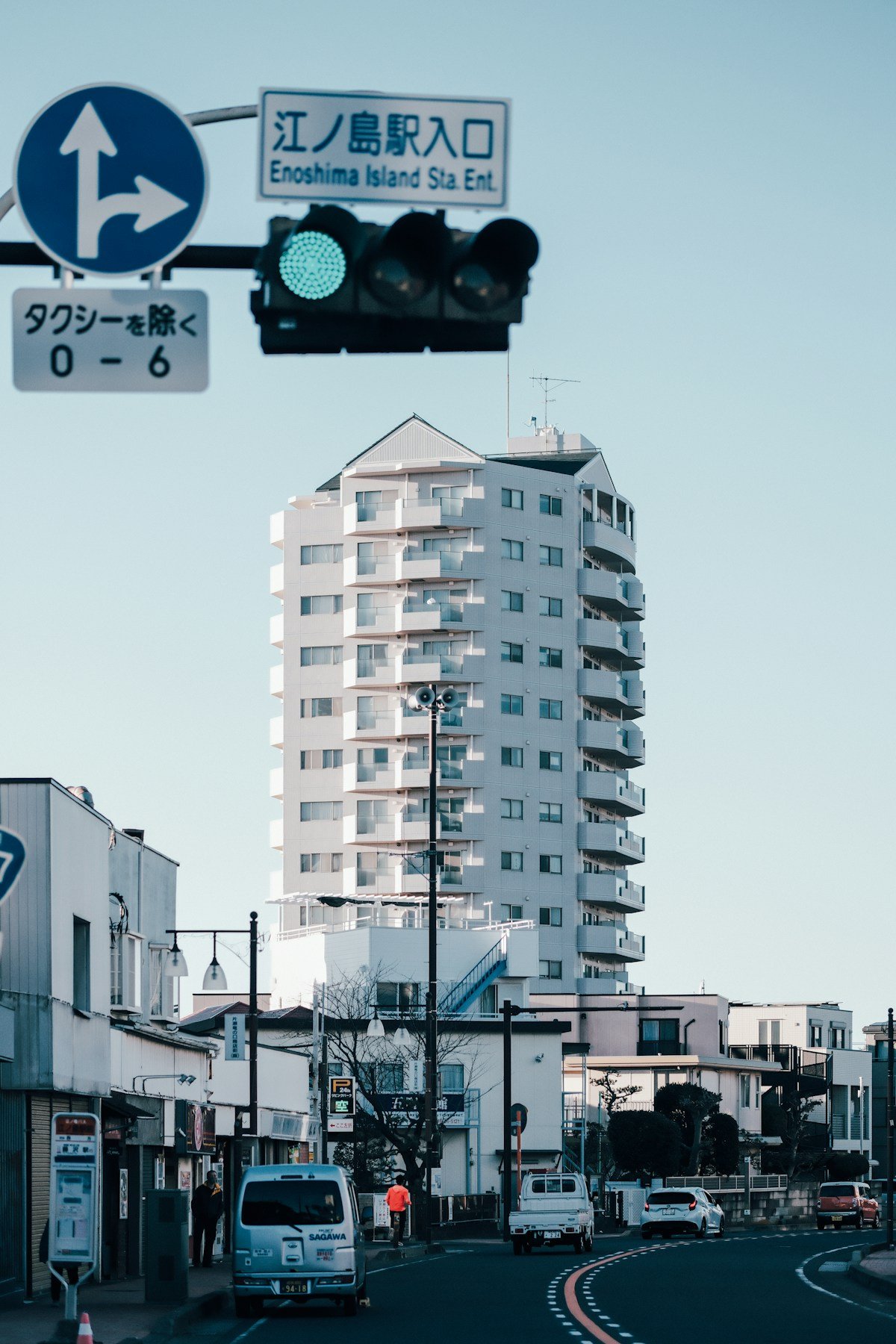
Enoshima is technically a separate island on the other end of the Enoden line, 25 minutes from Kamakura Station. It has its own accommodation and makes an alternative base for those who want a coastal rather than temple focus.
Guesthouses
Guesthouses are the most practical extended-stay format in Kamakura, where mid-size serviced apartments don’t exist and business hotels are limited.
Several well-regarded guesthouses operate around Kamakura Station and in Hase, typically in renovated wooden buildings with private and dormitory rooms, shared bathrooms, common kitchens, and good wifi. Private room rates run approximately ¥5,000–8,500 per night; weekly rates typically offer a 10–15% discount, bringing a week of private accommodation to approximately ¥32,000–55,000.
Search guesthouses and hotels in Kamakura on Booking.com to compare current rates and availability.
Hotels
Kamakura Prince Hotel sits on the Shichirigahama coast south of the main town, with Pacific Ocean views and a private-feeling setting. A premium option for a beach-adjacent extended stay, with rates from approximately ¥20,000–40,000 per night depending on season.
Hotel Metropolitan Kamakura is a newer addition near the station, offering comfortable mid-range rooms with reliable wifi and the urban convenience of a JR-linked property. Weekly rates from approximately ¥65,000–95,000.
Several smaller boutique hotels in the Komachi-dori and Hase areas offer Japanese-style rooms with garden views, targeting the ryokan aesthetic without full ryokan pricing. Rates vary significantly by property and season.
Summer vs Off-Season Considerations
Kamakura sees one of Japan’s steepest seasonal accommodation swings. Summer (July to mid-September) sees beach crowds, peak hotel prices, and queues at major temples. Cherry blossom season (late March to early April) brings another surge. Off-season months (November to February, excluding New Year) see prices drop 20–35% and the temples return to a quieter, more contemplative character.
Hydrangea season at Meigetsuin (mid-June) is a well-known draw but not as crowded as sakura season. Autumn foliage (late November) is underrated and worth planning around.
Using Kamakura as a Tokyo Base
Kamakura to Shinjuku takes approximately 55 minutes on the JR Yokosuka-Sobu Line (one seat, no transfer). The last return trains from Tokyo run late enough to allow evening meetings or dinners in the city. For remote workers who need occasional Tokyo access, Kamakura functions well as a quieter residential base with a meaningful quality-of-life upgrade over central Tokyo. Monthly rental apartments in residential Kamakura (away from the tourist zones) are substantially cheaper than central Tokyo equivalents.
Practical Notes for Long Stays
- Temple access: Most temples charge entry (typically ¥200–500 per temple). For extended temple-hopping, the Kamakura Enoshima Pass covers train travel and reduces per-visit friction.
- Hiking trails: The Kamakura Hiking Course (Daibutsu Trail, Genji-yama Park, Tenkawa Benten) is excellent for daily exercise and requires no planning beyond sensible footwear.
- Groceries: The Kamakura station area has a Maruetsu supermarket and several grocery options. Prices are moderate; the local bakery scene (Kamakura is known for its bread culture) adds to daily costs pleasantly.
- Summer beach crowds: Yuigahama beach in July and August is crowded; the beach stalls and swimmers arrive from Tokyo in large numbers on weekends.
Approximate Costs Per Week (Accommodation)
| Type | Weekly Rate |
|---|---|
| Guesthouse (dormitory) | ¥20,000–35,000 |
| Guesthouse (private room) | ¥32,000–55,000 |
| Mid-range hotel | ¥55,000–90,000 |
| Boutique / beach hotel | ¥70,000–130,000 |
| Kamakura Prince Hotel | ¥140,000–280,000+ |
Search all accommodation in Kamakura on Booking.com and filter by minimum nights to find extended-stay pricing.