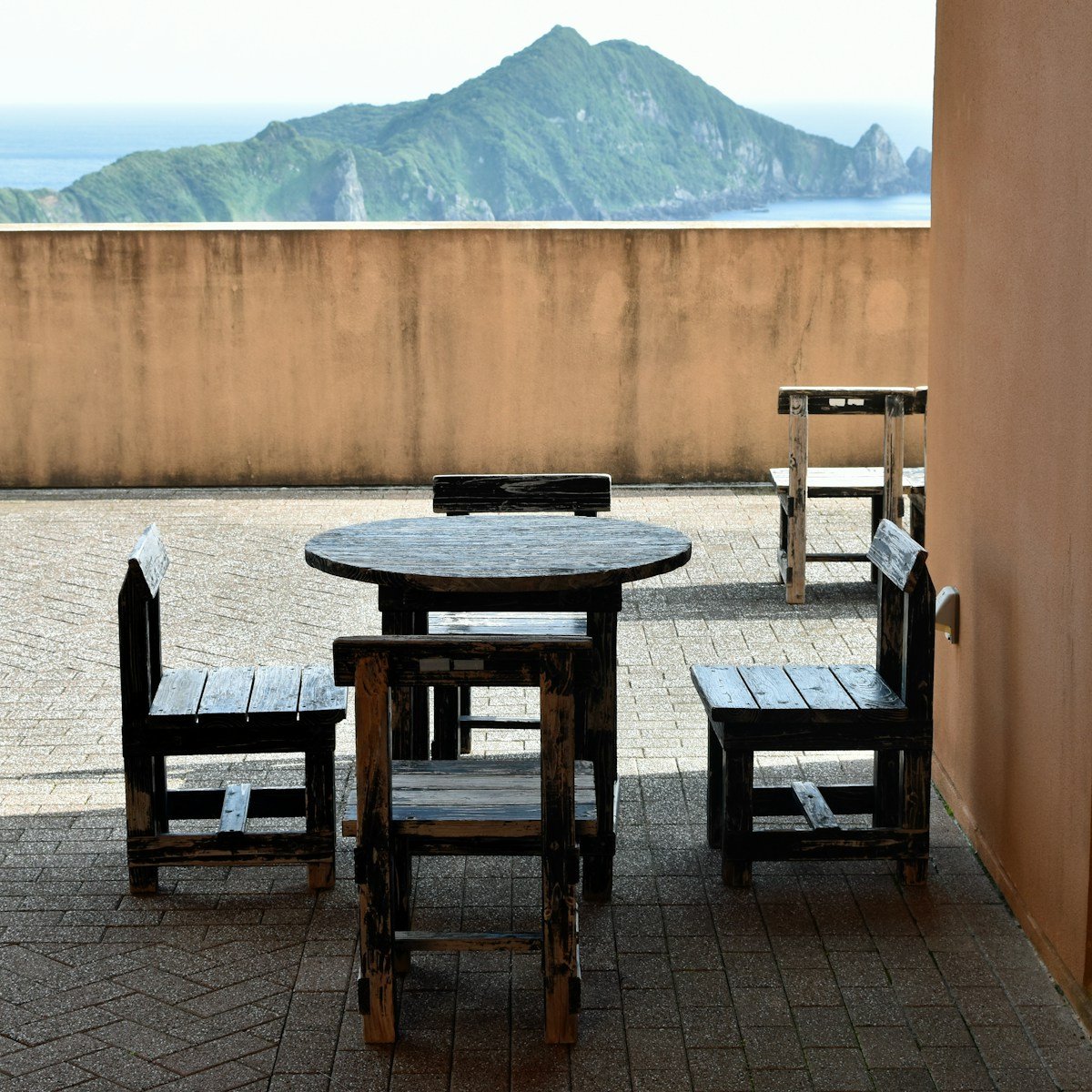
Kagoshima sits at the southern tip of Kyushu facing Sakurajima across a narrow bay — a city that lives in close proximity to an active volcano and has built its identity around it. The view from the waterfront is unlike any other Japanese city: a perfectly conical volcano rising 1,117 metres, occasionally trailing a plume of ash or sending up a distant rumble. Beyond the dramatic backdrop, Kagoshima is a relaxed, warm-climate city with excellent local food (black Berkshire pork, Satsuma sweet potato shochu, fresh seafood from Kagoshima Bay), a compact historic centre, and reasonable prices compared to Fukuoka or Osaka. A week here covers the main sights; longer reveals a genuinely liveable city that rewards staying.
Choosing Your Area
Tenmonkan is Kagoshima’s main shopping and dining district, built along a covered arcade a short walk from the tram network. The area has concentrated restaurant density — particularly for Kagoshima black pork shabu-shabu and ramen — and is within tram range of the waterfront. Business hotels and guesthouses here suit those who want central access to the city’s daily life.
Kagoshima Chuo Station is the Shinkansen terminal connecting Kagoshima to Fukuoka (1 hour 20 minutes) and Osaka (3 hours 45 minutes). The area around the station has the city’s largest concentration of business hotels. It is slightly less atmospheric than Tenmonkan but more practical for those travelling frequently or arriving by Shinkansen.
Dolphin Port / Waterfront is the strip running along Kagoshima Bay where the Sakurajima views are at their most dramatic. The morning ferry to Sakurajima departs from Suizokukan-guchi near here. Hotels in this area combine practicality with the city’s most distinctive outlook.
Korimoto / Kōtsuki River Area is a quieter residential district south of Tenmonkan with lower hotel prices and a neighbourhood character. Suited for longer stays where the priority is quiet surroundings and lower costs over central positioning.
Business Hotels
Business hotels are the backbone of Kagoshima’s extended-stay market, with a good spread of options around both the station and Tenmonkan.
Dormy Inn Kagoshima brings its reliable formula: natural hot spring baths (Kagoshima’s geothermal tradition runs deep), late-night ramen, coin laundry, and weekly rates that make extended stays practical. Located conveniently near the station. Weekly rates from approximately ¥50,000–72,000.
Richmond Hotel Kagoshima occupies a strong position in the Tenmonkan area with comfortable rooms and a free breakfast option. Weekly rates from approximately ¥55,000–85,000. A solid mid-range choice for a two-week to one-month stay.
APA Hotel Kagoshima Chuo Station offers competitive rates at the station with compact but functional rooms. Weekly rates from approximately ¥40,000–60,000. Good for solo travellers prioritising economy over space.
Search extended-stay hotels in Kagoshima on Booking.com to compare real-time availability and long-stay pricing.
Guesthouses and Monthly Apartments
Kagoshima has a modest guesthouse scene, particularly in the Tenmonkan and station areas. Private rooms in guesthouses with shared bathrooms and common kitchens run approximately ¥3,500–5,500 per night, with weekly discounts bringing the effective rate to ¥20,000–35,000 per week.
For stays of a month or more, monthly apartment rental is the most cost-effective approach. Residential apartments in the Korimoto, Kōtsuki, and Yoshino areas run approximately ¥40,000–65,000 per month for a furnished one-room unit when available through local real estate agencies. The language barrier makes independent apartment rental challenging without Japanese ability, but some agencies in Kagoshima handle international tenants.
Short-term apartment platforms list furnished units in central Kagoshima from approximately ¥70,000–100,000 per month, which represents a significant saving over long-stay hotel rates for those who cook at home.
Day Trips and Seasonal Considerations
Kagoshima’s position at the end of Kyushu makes it an excellent base for regional exploration:
Sakurajima is a 15-minute ferry ride from the city’s main terminal — a working volcano with lava fields, an observatory, and foot onsen (ash-infused hot spring foot baths) that has become a distinctive Kagoshima attraction in itself. Long-stay visitors typically cross several times.
Yakushima Island (high-speed ferry approximately 2 hours, regular ferry 4 hours) is a UNESCO-listed island of ancient cedar forests and is accessible as a day trip or short overnight from Kagoshima. Worth combining with a Kagoshima base for anyone staying a week or more.
Ibusuki sand baths are 50 kilometres south — a unique thermal beach experience where attendants bury visitors in naturally heated volcanic sand. Accessible by train (about one hour from Chuo Station).
Practical Notes for Long Stays
- Tram network: Kagoshima’s tram (streetcar) covers central areas with a flat fare of ¥170 per ride. A one-day pass costs ¥600. Reliable and easy to use.
- Volcanic ash: On ash-fall days, a folding umbrella and a light mask are useful. Ash typically settles within hours. Hotels provide guidance during significant events.
- Cost of living: Kagoshima is among Japan’s more affordable prefectural capitals. Grocery costs for one person run approximately ¥25,000–40,000 per month. Local shochu bottles are inexpensive compared to national retail prices.
- Internet: Business hotels and guesthouses provide standard wifi. A local SIM (approximately ¥1,500–2,000/month) adds reliability for remote work.
Approximate Monthly Costs (Accommodation Only)
| Type | Monthly Rate |
|---|---|
| Guesthouse (private room) | ¥90,000–140,000 |
| Budget business hotel | ¥120,000–175,000 |
| Mid-range hotel (Richmond / Dormy Inn) | ¥160,000–240,000 |
| Monthly apartment (residential area) | ¥40,000–100,000 |
Search all accommodation types in Kagoshima on Booking.com to compare current availability and pricing.