July marks the transition from the rainy season into full summer. The first half of the month is still affected by tsuyu (the annual rainy season) across most of Honshu, but by mid-July the rains clear and Japan enters its hottest stretch of the year. This is also when the country’s festival calendar reaches full swing, with two of Japan’s three greatest matsuri taking place before the month ends.
Peak Heat and Festival Fire: July Conditions
Tokyo is hot and humid: 24–31°C with high humidity that makes it feel several degrees warmer. Tsuyu typically ends around July 20th in the Kanto region. After that, clear skies dominate but the heat is relentless.
Kyoto is worse: the city sits in a basin that traps heat and moisture, pushing feels-like temperatures above 35°C on many afternoons. Mornings before 9am and evenings after 5pm are the only comfortable windows for temple visits.
Hokkaido is the escape: Sapporo averages 18–25°C with low humidity, making it the best region in Japan during July. Furano’s lavender fields peak in mid-to-late July - a major draw.
Okinawa is fully into beach season at 27–32°C, though typhoon risk begins to increase. Water temperatures reach 28°C.
Gion Matsuri - Japan’s Most Famous Festival
The Gion Matsuri in Kyoto runs throughout July but the key dates are the Yamaboko Junko processions on July 17th (Saki Matsuri, the main parade) and July 24th (Ato Matsuri). Enormous wooden floats, some weighing over 10 tonnes and dating to the Edo period, are pulled through the streets by teams of men in traditional dress.
The evenings of July 14–16 (Yoiyama) are equally important. Central Kyoto’s streets are closed to traffic and lined with food stalls, lanterns, and crowds in yukata (summer kimono). The atmosphere is electric but the crowds are immense - plan accommodation in Kyoto well ahead, as July rates spike around these dates.
Tenjin Matsuri - Osaka’s Great Summer Festival
On July 24–25, Osaka’s Tenjin Matsuri fills the Okawa River with illuminated boats and the sky with fireworks. It is considered one of Japan’s three great festivals alongside Gion Matsuri and Kanda Matsuri. The boat procession on the evening of July 25th, with burning torches reflected on the river, is the highlight.
Tanabata, Fuji Season, and Sumidagawa Fireworks
- Tanabata (July 7th): The “Star Festival,” celebrated across Japan with colourful paper streamers hung from bamboo. Sendai’s version (held August 6–8, offset from the traditional date) is the largest.
- Mt. Fuji climbing season opens: The official trails open in early July. We recommend climbing in July rather than August - it is slightly less crowded, though weather can be more variable. Expect long queues at the summit for sunrise regardless.
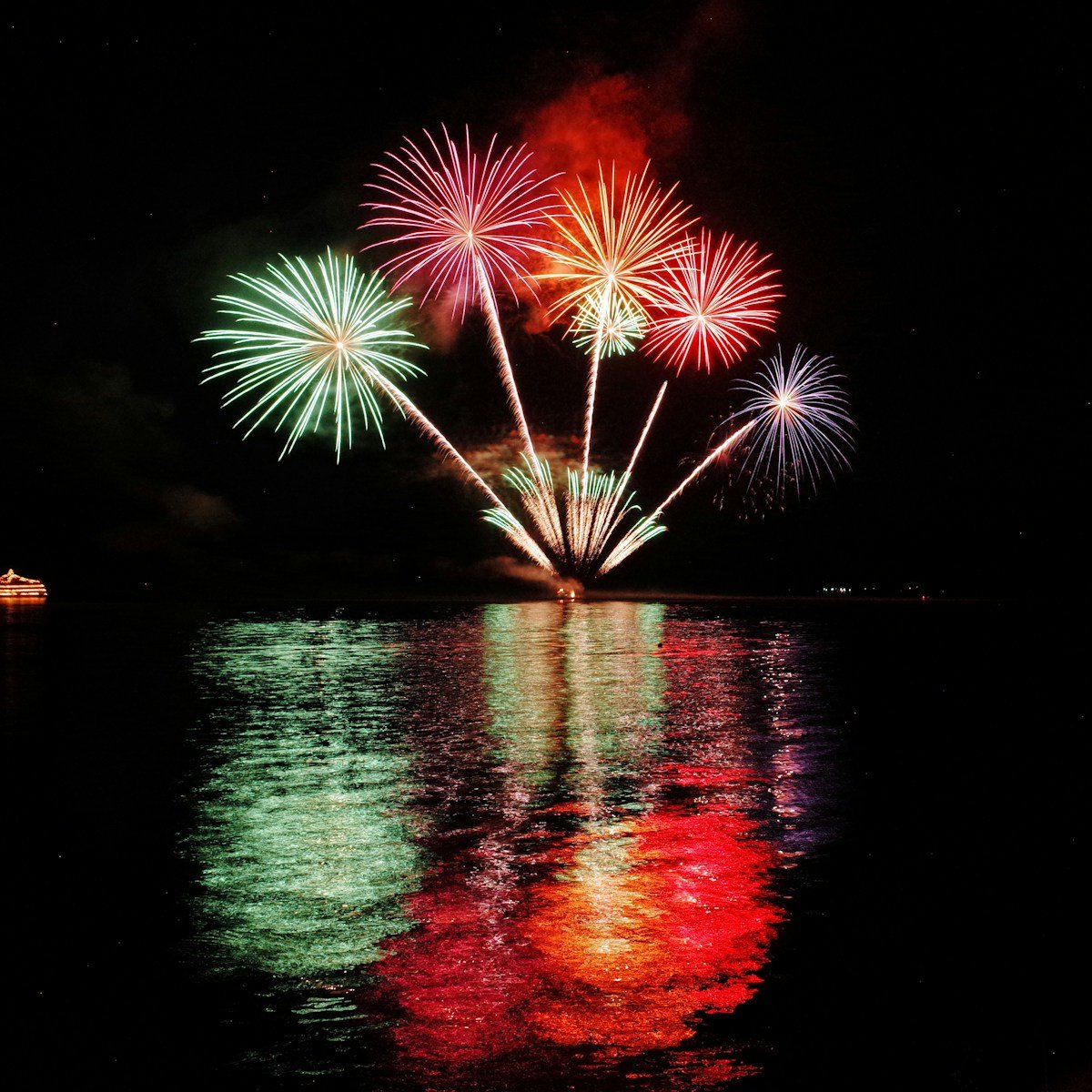
- Sumidagawa Fireworks (late July): Tokyo’s largest fireworks display, held on the last Saturday of July along the Sumida River. Over 20,000 fireworks draw nearly a million spectators.
Surviving the Furnace: Heat Strategy for July Japan
July heat is not theoretical - it is a genuine health concern. Heat stroke hospitalisations spike across Japan in late July and August. Practical measures:
- Carry a towel and water. Japanese people universally carry a hand towel in summer. Vending machines selling cold drinks are everywhere.
- Schedule around the heat. Visit outdoor sites before 9am or after 4pm. Use the middle of the day for museums, department stores, or train travel.
- Consider Hokkaido or mountain towns. Kamikochi in the Japan Alps, Karuizawa in Nagano, and Nikko at higher elevations are 5–10°C cooler than Tokyo.
Gion Matsuri Week vs. Early July Value
Early July (tsuyu period) is relatively quiet and affordable. Prices rise after mid-July when school holidays begin. The Gion Matsuri week in Kyoto sees peak summer rates - central Kyoto hotels often charge 50–80% premiums. Hokkaido accommodation in lavender season (Furano, Biei) also fills quickly.
Outside festival dates and Hokkaido, July is not a peak pricing month. Budget hotels in Tokyo remain reasonable, and domestic tourists largely wait for the Obon period in August.
Planning a trip this month? Flights to Japan prices vary significantly by season - compare fares early for the best value. Travel insurance for Japan covers delays, medical costs, and the unexpected. Pick up an Airalo eSIM for Japan to have mobile data from the moment you land - no queueing at the airport for a physical SIM. Search hotels in Kyoto on Booking.com
Festival Gear, Heat Kit, and Typhoon Watch
- Portable fan and cooling towels are sold at every convenience store and 100-yen shop.
- Train reservations: Shinkansen seats for the three-day weekend in mid-July fill fast. Reserve at the midori no madoguchi (green ticket window).
- Typhoon awareness: While September is the peak, occasional typhoons reach Japan in late July. Monitor the Japan Meteorological Agency forecasts.
- Cash: Summer festival food stalls are cash-only without exception. ATMs at 7-Eleven and Japan Post accept international cards.
For a broader perspective on how seasons shape your Japan trip, see our Japan by season guide.
See also: Best time to visit Japan · Japan in June · Japan in August · Kyoto travel guide · Osaka travel guide · Okinawa travel guide · Hokkaido region guide · Best tours in Kyoto · Mount Fuji climb guide · Japan itineraries · Japan where to stay
Plan Your Trip
Gion Matsuri drives Kyoto’s July prices - the Yoiyama evenings (July 14–16) and Yamaboko Junko processions (July 17 and 24) command 50–80% premiums. Book those specific dates 3–4 months ahead. For the Sumidagawa fireworks in Tokyo (last Saturday of July), book the last week early. Hokkaido’s Furano lavender fields peak mid-July and offer genuine relief from mainland heat.
- Hotels in Kyoto - Essential to book ahead for Gion Matsuri week
- Hotels in Furano - Lavender peak mid-July; escape from the heat
- Kyoto tours - Guided Gion Matsuri and evening walks
- Sapporo and Hokkaido tours - Lavender farm visits and nature hikes
- Flights - Compare July fares
- eSIM - Stay connected from landing
- Travel Insurance - Typhoon cover is important from July onward