Climbing Mount Fuji: Complete Guide for First-Time Hikers
Book an experience
Book this activity
These are the top-rated activities for this area — book ahead to lock in your preferred date.
Contents
- The Mountain and the Season
- The Four Trails
- Yoshida Trail (Kawaguchiko, Yamanashi side)
- Subashiri Trail (Shizuoka/Yamanashi border)
- Gotemba Trail (Shizuoka side)
- Fujinomiya Trail (Shizuoka side)
- Getting to the 5th Station (Yoshida)
- Mountain Huts
- Essential Gear
- Altitude Sickness
- The Summit Experience
- Alternative: Viewing Fuji from Kawaguchiko
- Cost Breakdown for Overnight Summit Attempt
Mount Fuji is Japan’s highest peak at 3,776 metres, a UNESCO World Heritage Site, and one of the most climbed mountains in the world — around 200,000 people attempt the summit each year, the majority during the official season of July 1 to September 10. This guide covers everything required to climb safely, from trail selection to gear and altitude management.
The Mountain and the Season
Fuji is an active stratovolcano — its last eruption was in 1707, and it remains classified as active by the Japan Meteorological Agency. The mountain sits at the junction of Shizuoka and Yamanashi prefectures, roughly 100 kilometres southwest of Tokyo.
Official climbing season: July 1 to September 10. During this period:
- All four trails have maintained and staffed mountain huts
- The conservation fee (¥2,000 per person on Yoshida trail from 2024) is collected at the 5th Station
- Emergency rescue personnel are stationed at key points
- The summit shrine and facilities are open
Outside the official season: The trails exist and technically remain accessible, but:
- All mountain huts are closed
- No emergency services are positioned on the mountain
- Snow and ice cover the summit from October onward
- Several deaths occur annually among climbers attempting Fuji outside season
- The conservation fee gates are closed but the trail is not formally prohibited
Unless you have mountaineering experience and appropriate equipment (crampons, ice axe, layered cold-weather gear), do not attempt Fuji outside the official season.
The Four Trails
Yoshida Trail (Kawaguchiko, Yamanashi side)
The most popular route, used by approximately 60 percent of all climbers. The 5th Station at 2,305 metres is reached by bus from Kawaguchiko (30 minutes, ¥1,540 return) or by car to a parking area.
Distance from 5th Station to summit: Approximately 7 kilometres. Ascent time from 5th Station: 5 to 7 hours. Descent time: 2.5 to 4 hours (a separate descent path runs parallel to the ascent route on this trail). Mountain huts: The greatest concentration of huts on any trail — 8 to 10 huts from the 6th to 9th Station, all open during the official season. Conservation fee: ¥2,000, collected at the 5th Station gate (from 2024).
The Yoshida trail is the correct choice for first-time climbers. The density of huts means you can rest and warm up frequently. The separate descent path reduces congestion. Signage is comprehensive.
Overcrowding: July and August weekends can be genuinely crowded on the Yoshida trail — head-torch lines of climbers stretching down the mountain in the dark are a visual reality. Weeknight climbs (starting Monday to Thursday) are significantly less crowded.
Subashiri Trail (Shizuoka/Yamanashi border)
5th Station elevation: 1,980 metres. Ascent time: 5 to 8 hours. Key feature: The lower section passes through a forest of Japanese beech and larches before reaching the treeline — more visually varied than the Yoshida trail’s volcanic landscape from the start. The trail joins the Yoshida route above the 8th Station. Getting there: Bus from Gotemba Station (JR Gotemba line) to Subashiri 5th Station, approximately 40 minutes.
Gotemba Trail (Shizuoka side)
5th Station elevation: 1,440 metres — the lowest of any trail, requiring significantly more elevation gain. Ascent time: 7 to 10 hours. Key feature: The least crowded trail by far. The large volcanic ash descent (osunabashiri) allows a fast “sandrun” descent of around 2 hours. Recommended for: Experienced hikers wanting a fuller Fuji experience and prepared for the extra distance. Not recommended for first-timers or those with limited time.
Fujinomiya Trail (Shizuoka side)
5th Station elevation: 2,400 metres — the highest starting point of any trail. Ascent time: 4 to 6 hours. Key feature: Shortest route to the summit in terms of distance and time. Popular with those coming from Osaka, Nagoya, or Shizuoka. Getting there: Bus from Shin-Fuji Station (JR Tokaido line) or Mishima Station (Shinkansen accessible). Conservation fee: ¥1,000 on this trail.
Getting to the 5th Station (Yoshida)
From Shinjuku (Tokyo): Direct bus from Shinjuku Bus Terminal (Busta Shinjuku) to Kawaguchiko (2 hours, ¥2,000 each way). From Kawaguchiko, the Fuji Subaru Line 5th Station bus runs approximately every 20 to 30 minutes during the season (30 minutes, ¥1,540 return).
From Kawaguchiko: If already staying in the Hakone or Kawaguchiko area, the 5th Station bus from Kawaguchiko Station is the most direct option.
Private car: Driving to the 5th Station is permitted during the official season for standard vehicles. Parking costs approximately ¥1,000 per day at the 5th Station car park.
Mountain Huts
Mountain huts (yamagoya) on the Yoshida trail provide accommodation, hot food, and — crucially — a place to warm up and rest during the ascent. They are positioned between the 6th and 9th stations.
Cost: ¥8,000–¥12,000 per person including dinner and breakfast (typically curry rice dinner and miso soup breakfast — the food is simple and designed for caloric efficiency rather than quality).
Booking: Most huts have online booking systems, typically in Japanese with limited English options. During July and August weekends, huts fill weeks in advance. Book as soon as you confirm your dates. A list of huts with booking contact information is available through the Yamanashi tourism office.
What to expect: Huts are communal sleeping areas — a long shelf divided by curtains, with sleeping bags provided. Privacy is minimal. Air quality in a full hut is limited. Noise from other climbers preparing to leave for the summit at 1am to 2am is inevitable. Earplugs are useful.
The 8th Station rest strategy: Altitude sickness is most often a consequence of ascending too quickly. Booking a hut at the 8th Station (approximately 3,400m) and sleeping for 3 to 4 hours before the final summit push is the standard approach and is strongly recommended for those concerned about altitude effects.
Essential Gear
Layering is non-negotiable: The summit is 0–5°C in July and August, with wind that significantly increases perceived cold. The mid-mountain section is typically 10–15°C. The 5th Station base can be 20–25°C in summer. You will pass through all these temperature ranges within 6 hours.
| Item | Notes |
|---|---|
| Waterproof jacket | Wind and rain are common above 3,000m |
| Thermal mid-layer | Fleece or down jacket for the summit |
| Base layer | Moisture-wicking, not cotton |
| Waterproof trousers | Windproof at minimum |
| Gloves | Light liner gloves; heavier mitts for summit |
| Head torch | Essential for overnight summit attempt; carry spare batteries |
| Hiking poles | Strongly recommended for descent — knee strain is significant |
| Water | 1.5–2 litres minimum; can refill at huts (¥200–¥500) |
| High-energy food | Trail mix, energy bars — hut food is expensive and limited |
| First aid and blister kit | Volcanic rock causes unusual hot spots on feet |
Renting gear: If you don’t own hiking gear, rental is available at the 5th Station from several shops. Prices: ¥500–¥1,000 per item per day. Quality is adequate for the Yoshida trail in normal conditions.
Altitude Sickness
Altitude sickness (acute mountain sickness, AMS) can begin as low as 2,500 metres and becomes more likely above 3,000 metres. Fuji’s summit at 3,776 metres is high enough to cause significant symptoms in some visitors.
Symptoms of mild AMS: Headache, fatigue, loss of appetite, dizziness, nausea.
Symptoms of serious AMS: Vomiting, inability to walk a straight line, confusion, extreme fatigue, shortness of breath at rest. These require immediate descent.
Prevention:
- Ascend slowly — do not rush the climb
- Hydrate continuously (water, not alcohol)
- Rest for 30 to 60 minutes at the 8th Station before proceeding
- Avoid sleeping above 3,000 metres if you have had AMS symptoms before
Treatment: Descent is the only reliable treatment for serious AMS. Emergency rescue personnel are available on the mountain during the official season. Descent from the 8th Station to the 5th Station typically reverses symptoms within 1 to 2 hours.
Oxygen: Portable oxygen canisters (¥1,000–¥2,000) are sold at mountain huts and 5th Station shops. They provide temporary relief from mild symptoms but are not a substitute for descending if symptoms are serious.
The Summit Experience
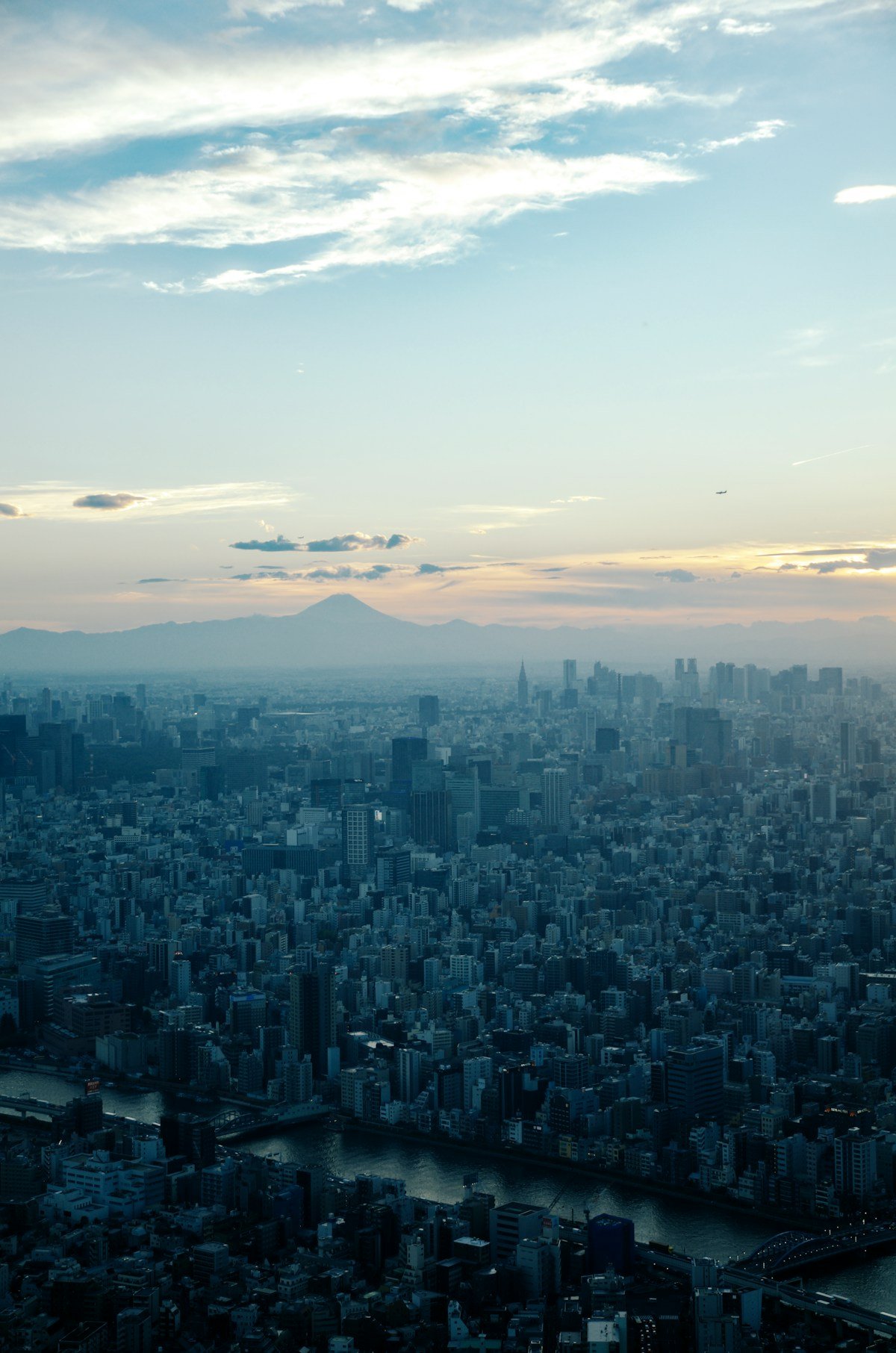
The summit (Kengamine, 3,776m) has a post box, a weather station, a shrine, and a circuit walk of the crater rim (approximately 1.5km, 45 minutes). On a clear day, the view at sunrise (around 4:30am in July, 4:50am in August) extends across the Kanto Plain toward Tokyo.
The summit is in cloud significantly more often than it is clear — perhaps 40 to 50 percent of visits during the official season produce good views. This is not something that can be predicted more than 24 to 48 hours in advance. Checking the mountain’s weather forecast (available from the Yamanashi meteorological services) the day before is worthwhile, but cloud conditions change rapidly on the mountain.
Alternative: Viewing Fuji from Kawaguchiko
For visitors who want to see Fuji rather than climb it, Kawaguchiko Lake provides the classic reflection view — the mountain’s symmetrical cone reflected in the lake surface, best on still mornings. The Chureito Pagoda (a 398-step climb above the town) provides the postcard image of Fuji with a five-story pagoda in the foreground. This requires no special gear, costs nothing, and requires a clear day rather than a clear summit.
Cost Breakdown for Overnight Summit Attempt
| Item | Budget | Notes |
|---|---|---|
| Bus Shinjuku → Kawaguchiko → 5th Station | ¥3,540 return | ¥2,000 + ¥1,540 |
| Conservation fee | ¥2,000 | Yoshida trail (from 2024) |
| Mountain hut (8th Station) | ¥9,000–¥12,000 | Per person with meals |
| Food and water on mountain | ¥2,000–¥5,000 | Hut prices are high; bring snacks |
| Gear (if renting key items) | ¥1,000–¥3,000 | Head torch, jacket, poles |
| Total estimate | ¥17,540–¥25,540 | Per person, Yoshida trail |
This estimate assumes you already have appropriate layered clothing. Add ¥5,000–¥10,000 if purchasing or renting a full gear set. The total cost for an overnight Fuji climb for one person typically falls between ¥25,000 and ¥45,000 depending on choices made.
Frequently Asked Questions
- How long does it take to climb Mount Fuji?
- On the Yoshida trail (most popular), allow 5 to 7 hours to ascend from the 5th Station and 3 to 4 hours to descend. Most people leave the 5th Station at 10pm to 11pm to reach the summit for sunrise at around 4:30am in July and August.
- How much does it cost to climb Mount Fuji?
- Budget ¥30,000 to ¥50,000 for an overnight summit attempt — transport to the 5th Station (¥2,000 bus each way), mountain hut accommodation (¥8,000 to ¥12,000 with meals), conservation fee (¥2,000), food on the mountain (¥2,000 to ¥5,000 at hut prices), and gear if needed.
- Is climbing Mount Fuji dangerous?
- The official season (July 1 to September 10) is not especially dangerous for fit adults in appropriate gear. Altitude sickness is the main risk — ascend slowly, drink water, rest at the 8th Station. Outside the official season, the summit path is unmaintained, potentially icy, and genuinely dangerous without mountaineering experience.
- Do you need a guide to climb Mount Fuji?
- No. The Yoshida trail is well-marked and regularly patrolled during the official season. English signage exists at all major points. A guide is advisable for the less-used Gotemba trail or for off-season climbing.
- Is it worth climbing Mt Fuji or just viewing from Kawaguchiko?
- The view from the summit (if clear) is extraordinary. But the climb is physically demanding, the summit is often in cloud, and the 5th Station is frequently crowded. Viewing Fuji from Kawaguchiko Lake at sunrise (free) provides an equally iconic experience if conditions are good. Decide based on your fitness level and how much you want the physical challenge.
Ready to explore?
Browse hundreds of tours and activities. Book securely with free cancellation on most options.
Browse on GetYourGuide →We may earn a small commission — at no extra cost to you.