Nara packs an extraordinary amount of history, wildlife, and craft culture into a compact and walkable area. Below are 15 of the best activities in and around the city, from the unmissable to the overlooked, with real timing and cost guidance for each.
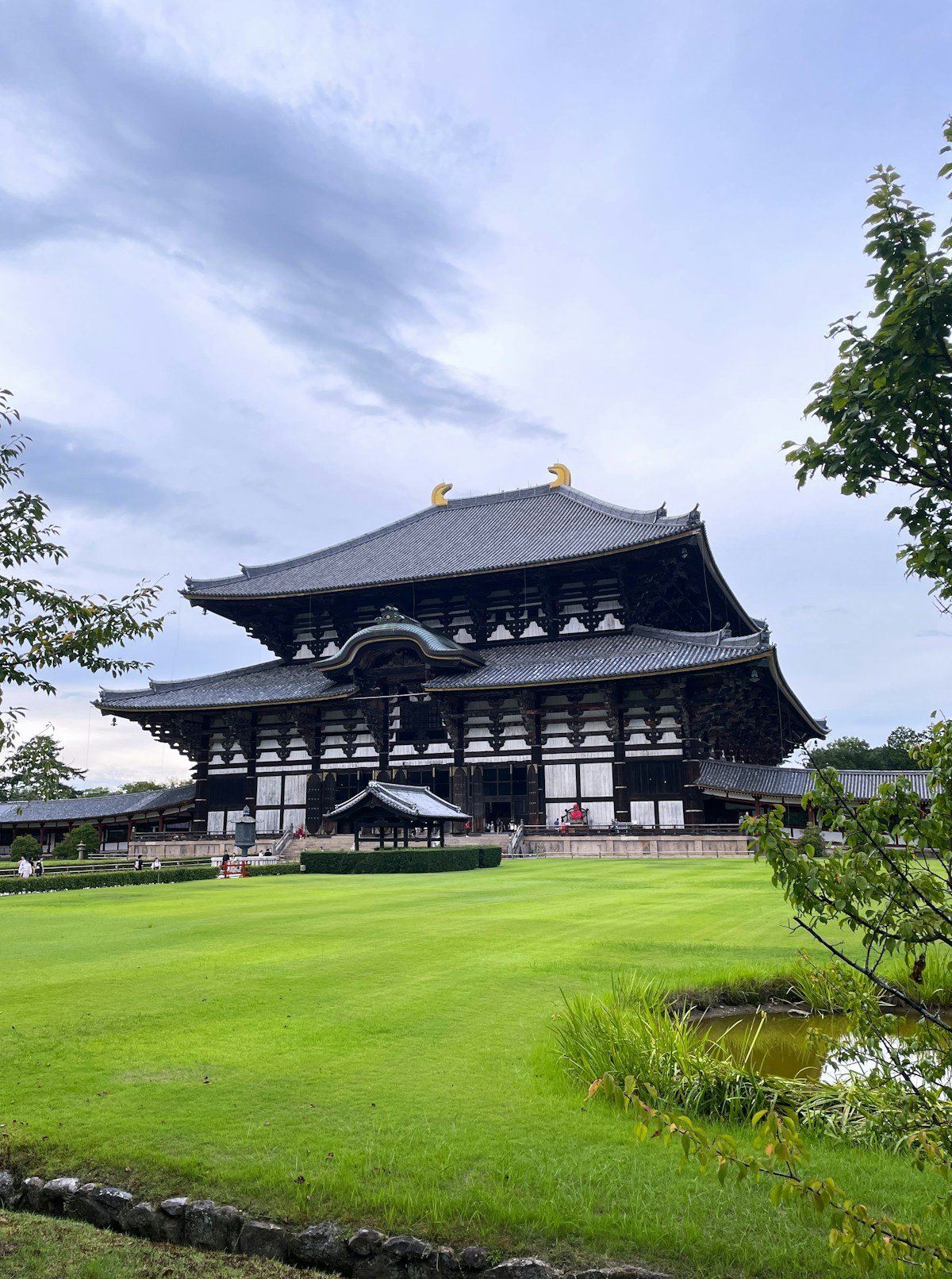
1. Todai-ji Great Buddha Hall - Arrive Before 8am
Entry: ¥1,000 | Hours: 7:30am–5:30pm (to 4:30pm Nov–Feb)
The Daibutsu-den is the world’s largest wooden building and worth a visit regardless of crowds - but the experience before 9am is qualitatively different from the experience at midday. The 15-metre bronze Buddha, the incense smoke rising through the hall, the scale of the interior, and the colossal Kongorikishi guardian statues at the Nandaimon gate all read differently without a thousand other visitors present.
The pillar with the square hole (designed to match the size of the Daibutsu’s nostril) is in the rear-right of the hall. Children pass through easily; slender adults can manage. The Buddhist texts say passing through brings enlightenment in the next life.
Allow 45 minutes for the hall and the Nandaimon gate. Add time for the outer precincts and deer interaction on the approach.
2. Feed the Deer Shika Senbei Crackers
Cost: ¥200/pack | Location: Throughout Nara Park
The deer bow to request crackers. This is not a myth or marketing - it is a genuine learned behaviour, developed through generations of deer-human interaction, and consistently reproducible with a stationary visitor holding crackers. Hold the crackers at waist height, make eye contact, and wait. The bow is subtle - a lowering of the head - and the deer expect reciprocal delivery.
The technique for a successful feeding: keep crackers visible in hand (not in pockets), feed one at a time, stay alert for approaching deer from behind (they will push), and break the crackers in half to extend the interaction.
Deer are heaviest in the areas immediately around Todai-ji, the Tobihino deer feeding field (south of Todai-ji, the most concentrated gathering point, best before 10am), and the approach from Kintetsu Nara Station.
3. Kasuga Taisha Lantern Ceremony
Cost: Grounds free; Mantoro festival free to watch | Best time: Dusk year-round, or festival in Feb and Aug
The inner sanctuary of Kasuga Taisha is lit throughout the day, but the visual logic of the 3,000 lanterns (stone on the approach, bronze in the inner compound) only becomes fully apparent as the natural light fades. The regular lantern lighting at dusk - not a special event, just the shrine’s normal operations - is one of the most atmospheric experiences in Nara.
The Mantoro festivals in February (around the 3rd) and August (around the 14th–15th) light all lanterns simultaneously. The effect is extraordinary and completely different from the daylight experience. Both festival evenings require arriving early (by 4pm) for access to the inner compound viewing areas.
4. Walk the Kasuga Grand Shrine Primeval Forest
Cost: Free | Duration: 45 minutes one-way along the main forest path
The kasugayama forest covering the hills behind Kasuga Taisha has been protected from logging and hunting since 841 CE - making it one of Japan’s oldest and most intact lowland forest ecosystems. The primary forest path from Kasuga Taisha through the cryptomeria and chinquapin trees to Wakakusa Hill takes about 45 minutes one way.
This is a different scale of experience from the shrine itself - the forest is dense, quiet, and genuinely ancient. Wild deer pass through, uninterested in visitors (park deer are habituated; forest deer are not). The forest is designated a UNESCO World Heritage component site in its own right.
5. Day Trip to Yoshino Mountain
Journey: 1 hour 30 minutes from Nara by Kintetsu (¥990) | Entry: Various individual sites free–¥500 | Best season: Early April
Yoshino is Japan’s most famous cherry blossom destination, a mountain village south of Nara with approximately 30,000 cherry trees covering the hillside in layers classified by altitude - Shimo-Senbon (Lower Thousand Trees), Naka-Senbon (Middle), Kami-Senbon (Upper), and Oku-Senbon (Inner). At peak bloom, the mountain appears to be covered in pink cloud.
The season runs roughly from late March (lower sections) to mid-April (upper sections). Yoshino is at its absolute peak for only 3–5 days, and the timing varies by 1–2 weeks each year depending on winter temperatures. Cherry blossom forecasts (hanami yosoku) are published by the Japan Meteorological Corporation from January and are tracked closely.
Outside cherry season, Yoshino is quiet, atmospheric, and worth visiting for the Zao-do Hall (¥700) housing an enormous hidden-from-public statue of the Buddha, and the mountain hiking routes through the Omine Range.
6. Isuien Garden Stroll
Entry: ¥1,200 | Hours: 9:30am–4pm (closed Tuesday)
Isuien uses Todai-ji’s roofline and Wakakusa Hill as borrowed scenery - they are framed deliberately as compositional backdrops to the garden’s own pond and plantings. The front garden (early Edo period) and rear garden (Meiji era) have different design approaches: the front is more intimate, the rear more expansive.
Spring brings wisteria and azalea; autumn brings maples that frame the Todai-ji views particularly well. The teahouse serves matcha and wagashi (¥800 additional).
7. Naramachi Machiya Exploration
Entry: Free for streets; workshops from ¥1,500 | Hours: Shops typically 10am–5pm
The Naramachi merchant district preserves an unusual degree of pre-modern urban texture - narrow lanes, deep machiya plots, latticed facades, and the occasional glimpse of an interior garden. Several establishments offer hands-on workshops in traditional crafts connected to the area’s artisan history.
Naramachi Monogatari-kan (textile dyeing workshop, from ¥1,500): A 90-minute session learning the katagami paper stencil dyeing technique traditional to Nara. English instruction available with advance booking.
Naramachi Koshi-no-Ie (free): A preserved merchant house open to visitors, showing the typical Nara machiya floor plan - the eel-like deep plot, the multiple inner garden spaces, the raised storage loft.
The best time to walk Naramachi is early morning (before 9am) or late afternoon (after 4pm) when the tourist bustle is minimal.
8. Kofuku-ji Five-Storey Pagoda
Entry: Grounds and exterior free; National Treasure Museum ¥700 | Hours: 9am–5pm
The Kofuku-ji pagoda is the second-tallest wooden pagoda in Japan (50.1 metres) and has been rebuilt five times since its original 730 CE construction. The current structure dates from 1426. The reflection in Sarusawa Pond - best at dawn and dusk - is one of the most reproduced images in Nara.
The National Treasure Museum on the Kofuku-ji grounds holds a rotating selection from the temple’s extraordinary collection. The Ashura statue (734 CE) - an eight-armed, three-faced figure with an expression of unusual psychological complexity - is the centrepiece and widely considered one of the finest Buddhist sculptures in Japan.
9. Calligraphy Workshop in Naramachi
Cost: ¥3,000–¥5,000 | Duration: 60–90 minutes
Several studios in Naramachi offer introductory calligraphy (shodo) sessions in English. The instruction covers basic brush posture, ink preparation, and the strokes for one or two kanji characters of the participant’s choice. Results are mounted on card to take home.
Naramachi Katorin (near Naramachi Museum) and Warabe-za Nara both offer accessible English-language sessions. Book at least two days ahead.
10. Sake Brewery Tour in Nara City
Entry: ¥1,000 | Duration: 60–90 minutes
Nara has a history of sake production that predates Fushimi in Kyoto - the brewing techniques used across Japan trace back to Nara monks in the Muromachi period. Several small breweries in and around the city offer tours.
Harushika Brewery (Naramachi area, ¥1,000 with tasting) is the most visitor-accessible. The tour covers the production process and includes tasting of three varieties including their signature nama-sake (unpasteurised).
11. Horyu-ji - The World’s Oldest Wooden Building
Entry: ¥1,500 | Journey: 13 minutes by JR from JR Nara Station, then 20-minute walk or ¥180 bus | Hours: 8am–5pm
Horyu-ji, 12km southwest of Nara, was founded in 607 CE by Prince Shotoku and contains the world’s oldest surviving wooden structures - the Western Precinct’s main hall (Kondo) and the five-storey pagoda both date from the late 7th century. This is older than anything in Nara Park by over a century.
The scale is more intimate than Todai-ji - this is a monastic complex, not a imperial statement - and the collection of Buddhist art inside the Kondo and in the Daihozoin treasure gallery (included in entry) is exceptional. Allow 2–3 hours.
12. Mount Wakakusa Grassland
Entry: ¥150 | Hours: 9am–4:30pm | Season: Typically closed Nov–early Jan, re-opens Jan (varies)
Wakakusa-yama is a 342-metre grassy hill immediately east of Todai-ji, accessible via a path from the Nigatsu-do subtemple area. The 30-minute walk to the summit gives panoramic views over Nara Park, the Todai-ji rooflines, the city, and toward Osaka on clear days.
The Wakakusa Yamayaki (grass burning festival) takes place on the fourth Saturday of January - the entire hillside is ignited after dark following fireworks, a tradition that dates to a boundary dispute resolved by burning rather than fighting. The event draws 100,000+ spectators.
13. Stay a Night at a Nara Ryokan
Cost: From ¥15,000/person with dinner | See also: Nara where-to-stay guide
The overnight experience in Nara is qualitatively different from the day-trip experience. Beyond early Todai-ji access, a night in a ryokan includes a kaiseki dinner incorporating Yamato cuisine (Nara’s traditional cooking style using persimmon leaf, somen noodles, and local mountain vegetables), the ofuro bath, and breakfast set.
Nara Hotel (1909, from ¥25,000/person) is the historic grand option. Smaller ryokan in the Naramachi area run ¥15,000–¥22,000 per person with meals.
14. Cycling Nara’s Flat Terrain
Cost: ¥500–¥1,000/day rental | Distance: Core sights within 5km circuit
Nara’s central area is flat and cyclable. The route from Kintetsu Nara Station through Nara Park to Kasuga Taisha, south through Naramachi, and west to Kofuku-ji covers most of the major sites in about 10–12km of gentle cycling.
Several rental shops near Kintetsu Nara Station and JR Nara Station offer city bikes from ¥500/day and e-bikes from ¥1,000/day. The parks themselves are not cyclable - dismount and walk through Nara Park (deer right-of-way).
15. Nigatsudo Subtemple at Dusk
Entry: Free | Part of Todai-ji complex
Nigatsu-do (Second Month Hall) is a subtemple of Todai-ji set on the hillside above the main hall, reached by a stone lantern-lined path through cedar trees. From the veranda, the view over Nara’s rooftops toward the city and plains is one of the least-photographed but most rewarding in the area.
The Omizutori (Water-Drawing Festival) held here each March (dates around March 1–14) involves torch-lit processions on the veranda - the sparks from the torches are believed to bring good fortune to spectators standing below.
Book ahead for popular experiences: Tours and activities in Nara include guided options, skip-the-line tickets, and immersive cultural experiences.
UNESCO Sites in Nara Comparison
| Site | Entry | Key feature | Crowd level | Time needed |
|---|---|---|---|---|
| Todai-ji | ¥1,000 | World’s largest wooden building, Great Buddha | Very high | 1–1.5 hours |
| Kasuga Taisha | Grounds free | 3,000 lanterns, primeval forest approach | Moderate | 45 minutes |
| Kofuku-ji | ¥300–¥800 | Five-storey pagoda, Ashura statue | Moderate | 45–60 minutes |
| Horyu-ji | ¥1,500 | World’s oldest wooden structures (7th c.) | Low–moderate | 2 hours |
| Gangoji | ¥500 | 8th-century precursor to Naramachi | Very low | 30 minutes |
| Yakushi-ji | ¥1,100 | East Pagoda (8th c.), temple still active | Low | 1 hour |
| Toshodai-ji | ¥1,000 | Founded by Chinese monk Jianzhen, 759 CE | Low | 1 hour |
| Kasugayama Forest | Free | Oldest protected forest in Japan | Very low | 45–90 minutes |
Where to stay: Search hotels in Nara on Booking.com
See also: Nara travel guide · Where to stay in Nara · Best restaurants in Nara · Day trips from Nara · Nara vs Kamakura · Kansai region guide